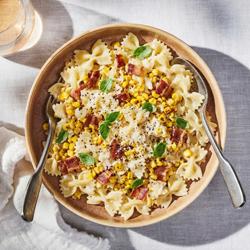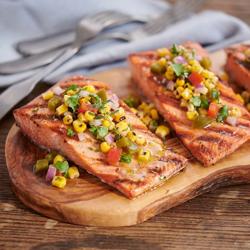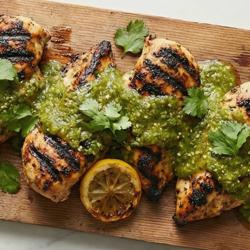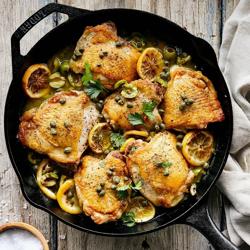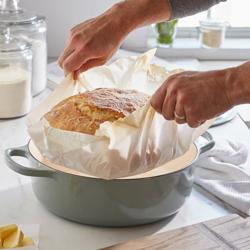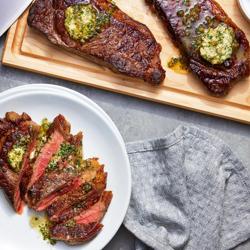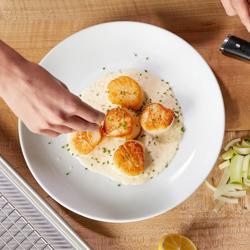
Mediterranean cooking classes for seasonal menus bring the pleasures of the region’s table into focus: ripe produce, fragrant herbs, grains, seafood, legumes, and generous pours of olive oil prepared with care rather than complication. The best class experiences are built around the natural rhythm of the kitchen, showing how a menu changes as the weather warms, produce reaches its peak, and cooler months call for deeper flavors and slower cooking. A seasonal class may move from crisp salads, homemade flatbreads, chilled dips, grilled vegetables, seafood, and herb-filled sauces to roasted roots, hearty soups, braised meats, ancient grains, and richly seasoned vegetable dishes. When comparing classes, look for menus that make room for both technique and flexibility. A strong lesson should explain how to select ingredients, adjust seasoning, manage timing, and make sensible substitutions when a particular vegetable, fish, or herb is unavailable. It should also offer enough hands-on practice to make the recipes feel approachable at home. Some classes take place in a studio with an instructor guiding each step, while online formats let cooks work at their own pace with digital instruction and a familiar kitchen setup. In-person sessions often run for roughly two to three hours, creating time to prep, cook, taste, and sit down to enjoy the finished menu. Digital options can be especially useful for busy cooks, curious beginners, or anyone who wants to revisit a technique more than once. For a shared experience,
Mediterranean Cooking Classes for Groups offer an engaging way to celebrate a birthday, host a team gathering, plan a private event, or spend an afternoon cooking with friends and family.
Seasonal Mediterranean menus are less about following a rigid formula than learning how a few well-chosen ingredients work together. Olive oil is a foundation, but its role changes depending on the dish: it may form the base of a bright dressing, enrich a bean stew, flavor a marinade, or finish roasted vegetables just before serving. A useful class will cover the balance of acid, salt, fat, and herbs so a simple tomato salad or grain bowl tastes complete rather than flat. Look for instruction in practical skills such as emulsifying dressings, seasoning seafood without overpowering it, shaping and folding dough, working with phyllo, cooking grains to a pleasant texture, and building flavor with garlic, citrus, toasted spices, and fresh herbs. Mediterranean cooking also rewards attention to texture. Creamy dips are best alongside something crisp, tender braised vegetables benefit from a scattering of toasted seeds or herbs, and a brothy soup becomes more satisfying with a chewy grain or a slice of warm bread. During the warmer part of the year, classes may highlight cucumber, peppers, eggplant, zucchini, tomatoes, berries, stone fruit, and lighter preparations that can be served at room temperature. As the air turns cooler, menus often make more use of cauliflower, squash, greens, lentils, chickpeas, dried fruit, and slow-cooked dishes that fill the kitchen with the scent of cinnamon, cumin, coriander, or smoked paprika. Seafood-focused lessons can teach careful handling, quick cooking, and simple sauces, while meat-centered classes may explore grilling, skewering, braising, or roasting. For cooks who prefer plant-forward meals, the Mediterranean tradition offers an especially broad range of satisfying options built around beans, grains, vegetables, nuts, yogurt, and olive oil. Choosing a class with a clear seasonal focus can make the experience more useful beyond the lesson itself, since the techniques transfer easily to whatever looks best at the market or grocery store.
These classes suit a wide range of cooks, from someone preparing a first homemade dip to an experienced home chef looking to sharpen knife skills, improve timing, or expand a familiar repertoire. Beginners may appreciate classes that explain basic preparation, provide step-by-step guidance, and leave room to ask questions without feeling rushed. More confident cooks may prefer regional menus, seafood techniques, bread making, pastry work, or lessons that explore the differences between Greek, Levantine, North African, Italian, Spanish, and other Mediterranean-influenced traditions. Before purchasing, consider the level of instruction, format, duration, menu style, class size, and whether ingredients or equipment are supplied. For online instruction, check whether recipes, preparation lists, and access details are included, and choose lessons that fit the tools already available in the kitchen. For an in-person class, consider location, accessibility, seating, and whether the experience is designed for individual participation or shared cooking. A class can also make a thoughtful gift for a newly independent cook, a couple who enjoys planning meals together, a host who loves entertaining, or a friend who would rather collect memorable experiences than more things for the kitchen. It is particularly well suited to anyone who looks forward to lingering over a table where warm bread is passed by hand, vegetables are dressed at the last moment, and a simple meal becomes the centerpiece of the day. Whether the goal is mastering a balanced olive oil dressing, learning to fold delicate dough, preparing a fragrant tagine, or building a complete seasonal menu from start to finish, Mediterranean cooking classes offer practical skills and an inviting way to bring more freshness, generosity, and confidence to everyday cooking.