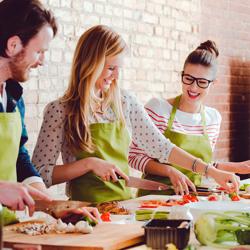
Hands-on Mexican cooking classes bring people into the kitchen to practice cooking techniques, explore Mexican flavors, and prepare dishes with instructor guidance. Unlike a demonstration centered on watching someone else cook, a hands-on class makes preparation part of the experience, with opportunities to work with ingredients, observe changes in texture, and ask questions along the way. Depending on the menu, that might mean shaping tortillas, preparing a roasted salsa, assembling enchiladas, or learning how a filling comes together before it reaches the table. Mexican cooking draws on a rich range of regional traditions, with corn, beans, chiles, tomatoes, tomatillos, herbs, and other ingredients taking different roles across the country. Coastal cooking, the complex sauces associated with Oaxaca, and the citrus and achiote flavors found in the Yucatán reflect distinct histories and local ingredients rather than a single approach to every meal. A focused class offers a manageable introduction to part of that variety without suggesting that one menu represents the whole cuisine. It also gives familiar dishes more context: a taco becomes an opportunity to understand the relationship between its tortilla, filling, salsa, and garnish, rather than simply a collection of toppings. Beginners can build confidence through tasks that have clear, tangible results, while experienced home cooks can concentrate on details that are harder to judge from a recipe alone. The feel of hydrated masa, the aroma of a toasted chile, and the difference between a bright salsa and an overly sharp one become easier to recognize through direct experience. For anyone who enjoys Mexican food and wants to understand more about its preparation, these classes connect the pleasure of eating a favorite dish with the practical skills behind it. The emphasis is on participating, noticing, and learning techniques that can support more confident cooking beyond the classroom. Even a familiar combination of ingredients can feel different when the reasons behind each preparation become clear.
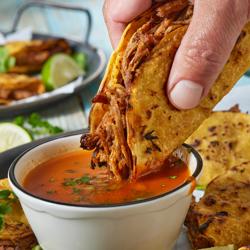
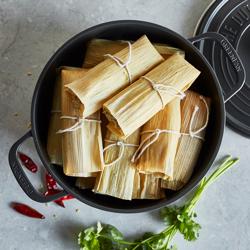
Much of the value of a Mexican cooking class lies in learning how flavor and texture develop during preparation. A tomato that has been roasted brings a different character to salsa than one used fresh, while tomatillos contribute their own tartness and body. Dried chiles vary in heat, aroma, and flavor, with notes that can be earthy, fruity, or smoky depending on the variety and preparation. Instructor-led practice can help participants understand those differences without treating every chile as interchangeable or assuming that Mexican food must always be intensely spicy. In a class that includes salsa, tasting may reveal how acidity, salt, and chile heat work together, and why an extra garnish cannot necessarily correct an unbalanced base. Tortilla-focused menus offer another kind of learning: recognizing whether masa feels workable, forming an even shape, and seeing how cooking affects flexibility and texture. Small details become visible at the work surface, from edges that crack during shaping to a tortilla that needs more time before turning. Classes featuring fillings or sauces may explore browning, simmering, blending, or reducing, with attention to how those methods affect the finished dish. A filling intended for tacos, for example, needs enough flavor to stand alongside salsa and garnishes without leaving the tortilla overwhelmed by liquid. A sauce for enchiladas has a different role from a spoonful of table salsa, even when some ingredients overlap. These distinctions make hands-on learning useful for cooks who can follow written directions but want a better sense of what to notice as they work. The experience can also strengthen everyday kitchen habits, including organizing ingredients before cooking, handling a knife with greater control, and coordinating components so they are ready together. Menus differ, so tortilla making, tamales, moles, seafood preparations, and other specialties should be understood as possible class focuses rather than features of every session. The strongest match is a class whose stated dishes and techniques reflect what the participant actually wants to practice.
Mexican food hands-on classes can suit solo learners, couples, friends, and family members who enjoy spending time around food. Someone who regularly orders tacos but rarely cooks them at home may appreciate an approachable introduction, while a confident cook might prefer a menu built around an unfamiliar sauce or preparation method. For a first class,
Mexican Cooking Classes for Beginners offers a relevant starting point for exploring introductory options. A shared class can also make a birthday outing, an anniversary experience, or a thoughtful gift for someone who values learning a skill. Cooking together gives the occasion a natural focus: there are ingredients to prepare, textures to compare, and decisions to discuss, rather than an expectation to keep conversation going across a restaurant table. For individual participants, the appeal may be the chance to concentrate on a personal interest and ask the practical questions that arise only with dough on the counter or a sauce in the pan. Class descriptions help set expectations about the menu, intended experience level, session length, and whether preparation takes place individually or in shared groups. Age requirements and participation details matter when choosing an experience for a younger cook or a multigenerational outing. Anyone with food allergies or dietary restrictions should confirm the ingredients and accommodation policies before booking; substitutions are not always possible, and a shared teaching kitchen may present cross-contact concerns. That preparation helps keep attention on the experience itself. Beyond the occasion, a class can leave participants with useful reference points for home cooking: how a salsa tasted before and after balancing, how a tortilla felt when it was ready to shape, or how several components came together as a meal. Those sensory memories make recipes easier to interpret later and give a familiar dinner more meaning. A well-matched class offers both an enjoyable experience and a deeper understanding of the care, technique, and regional variety behind Mexican cooking.