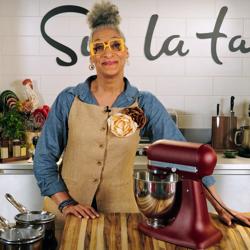
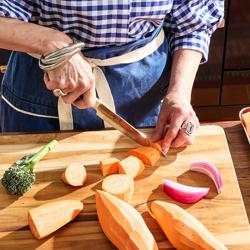
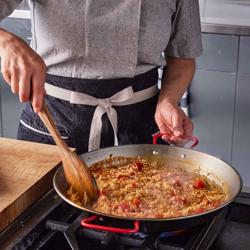
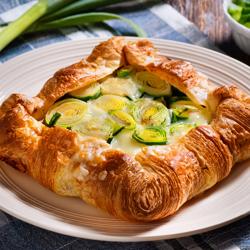
Online learning gifts for bakers bring the pleasure of a hands-on class to the comfort of home. Instead of adding another pan or utensil to an already well-stocked kitchen, a virtual baking class gives the recipient techniques they can return to again and again, along with the satisfaction of making something from scratch. These classes are a thoughtful choice for a beginning baker who is learning how dough behaves, an experienced home cook looking to refine a specialty, or anyone who enjoys setting aside a quiet afternoon for mixing, shaping, and baking. Depending on the class, lessons may be live and led by an instructor or recorded for self-paced viewing, making it easier to fit baking practice into a busy schedule. A recipient can pause a demonstration while weighing flour, replay a section on folding butter into pastry, or revisit a shaping technique before starting the next loaf. During the cooler months, an online class can turn a kitchen into a welcoming workspace filled with the scent of toasted sugar, warm spices, or freshly baked bread. It is also a practical gift for a baker who lives far away, since the experience can be shared across kitchens without requiring travel or a particular date on the calendar.
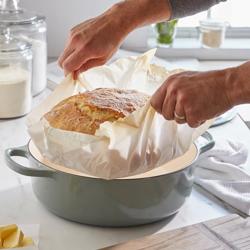
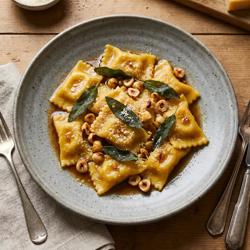
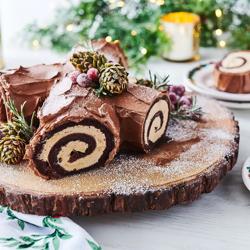
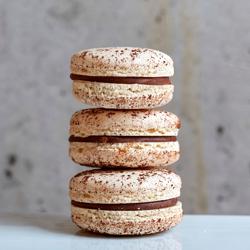
Choosing the right online baking class starts with the recipient’s interests and comfort level. Beginners often appreciate clear instruction in foundational skills, such as measuring ingredients accurately, understanding yeast, preparing a simple dough, or learning when a cake is properly baked. Bakers with more experience may prefer a focused class that explores a demanding technique, such as creating extra-flaky croissants, shaping baguettes, building a naturally leavened loaf, or preparing delicate macarons. Bread-focused lessons can range from soft sandwich loaves and bagels to rustic artisan breads, while pastry classes may cover laminated dough, tarts, choux pastry, or classic desserts. For a baker with dietary preferences, a gluten-free workshop can offer useful guidance on flour blends, hydration, structure, and handling, rather than relying on simple substitutions. Classes centered on small desserts, cake truffles, soufflés, or other specialty treats can be especially appealing to someone who enjoys sharing homemade sweets at gatherings or assembling an assortment for friends. Before choosing a gift, consider whether the baker enjoys following a precise recipe or prefers room to experiment, whether they are interested in bread, cakes, cookies, or pastries, and whether they would value live interaction with an instructor. It is also helpful to review the access details, including whether the lessons are available on demand, how long access lasts, whether a workbook or recipe collection is included, and what equipment or pantry staples may be needed.
An online class makes a memorable gift for birthdays, housewarmings, thank-you occasions, and seasonal celebrations, especially when paired with an ingredient or a handwritten note about baking together. For more inspiration, explore
Birthday Gifts For Bakers. A newly enthusiastic baker might enjoy a welcoming introduction to cookies, cakes, or basic breads, while a seasoned baker may be delighted by the chance to tackle a recipe that has always seemed just out of reach. The best choice does not have to match a person’s usual baking routine; sometimes the most enjoyable gift is an invitation to try something new, such as shaping filled pastries, creating a glossy chocolate finish, or learning how steam affects a loaf’s crust. Self-paced lessons are well suited to recipients who bake in short bursts between work and family commitments, while live classes create a sense of occasion and provide the encouragement that can make an unfamiliar technique feel manageable. Keep the baker’s kitchen in mind, too. A class that requires only standard bowls, measuring tools, and an oven may be a convenient fit, while a more advanced lesson could call for a stand mixer, piping bags, a Dutch oven, or specialty molds. Thoughtful online learning gifts meet the recipient where they are and help them build confidence one recipe at a time. Long after the final lesson, they can use those skills to make weekend breakfasts, celebratory cakes, holiday cookies, or a simple loaf to share while the kitchen is still warm.