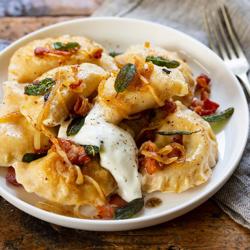
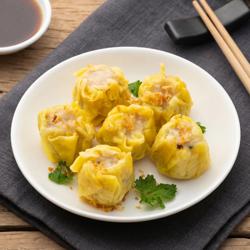
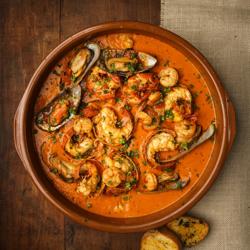
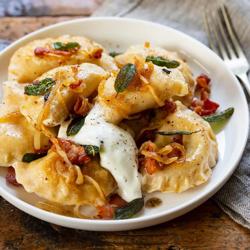
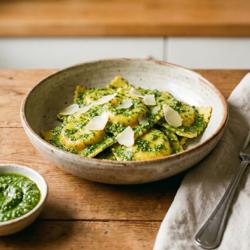
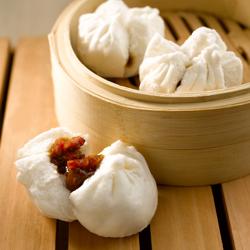
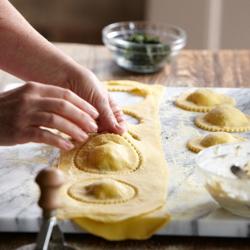
Savory appetizer cooking classes are a hands-on way to build practical kitchen skills while learning how to make food that brings people together. Rather than focusing on a single elaborate entrée, these classes explore the small bites, dips, spreads and warm starters that set the tone for a meal. Participants may work with crisp vegetables, fresh herbs, cheeses, grains, seafood, meats or pastry, depending on the menu, and learn how to turn familiar ingredients into polished appetizers with plenty of flavor. A well-planned class often covers essential techniques such as safe, efficient knife skills; roasting, sautéing and baking; seasoning in layers; and balancing salty, sweet, sour, bitter and rich flavors. Plating is part of the experience, too. A handful of warm bites arranged on a serving platter, a colorful dip surrounded by vegetables and toasted bread, or individual portions finished with herbs can make a gathering feel special without requiring complicated equipment or hours of preparation. In-person classes typically include a guided cooking session followed by a shared tasting, giving students the chance to enjoy what they have made and see how different flavors work together. Interactive online classes offer another flexible format, allowing cooks to prepare ingredients in their own kitchens while following instruction in real time. When choosing among savory appetizer cooking classes, consider the format that best suits your schedule, the level of participation offered and whether ingredients or preparation details are provided in advance.
These classes can be a comfortable starting point for newer cooks and a useful source of fresh ideas for experienced home chefs. Beginners benefit from having each step demonstrated clearly, from cutting and seasoning to timing several components so everything reaches the table at its best. More confident cooks may enjoy learning new combinations, refining presentation or discovering ways to make appetizers ahead of time for easier entertaining. Look for class descriptions that explain the menu, skill level, duration and what is included, especially if you are planning around dietary preferences or cooking for a group. Some menus emphasize vegetarian small plates, while others may feature seafood, meat, cheese-filled pastries, creamy dips or globally inspired flavors. It is also worth considering how much of the cooking happens during the session. A class built around active preparation offers more practice than a demonstration-only format, while a shorter workshop may be ideal for someone looking for a relaxed introduction. During the cooler months, savory appetizers are especially welcome at the table: bubbling baked dishes, crisp fritters, roasted mushrooms and warmly spiced spreads make a kitchen feel inviting as guests gather nearby. At other times of year, the same techniques can be adapted to lighter bites served with fresh produce and chilled drinks. The most useful classes leave participants with more than a single menu; they build a foundation for improvising with what is already in the pantry and adjusting recipes to suit the occasion.
A savory appetizer cooking class can also make a thoughtful gift for a host, a newly independent cook, a couple who enjoys shared experiences or anyone who would rather spend an afternoon learning than receiving another object for the kitchen. It is a particularly fitting choice for friends and family who enjoy entertaining, since the skills translate directly to dinner parties, potlucks, game-day gatherings and casual evenings around the table. For a gift recipient, consider whether an in-person or online experience will be easier to enjoy, as well as location, scheduling flexibility and any ingredient preparation required. A local studio class can add the pleasure of cooking alongside other people, sharing techniques and sitting down to taste the results. An online class can be just as engaging for a remote learner and may make it easier for two households to cook together from different kitchens. Those interested in regional flavor traditions may also enjoy exploring
French Appetizer Cooking Classes for ideas inspired by the generous, relaxed style of French entertaining. Whether the goal is to become more comfortable with a chef’s knife, improve flavor balance, learn graceful plating or simply prepare a generous spread for friends, savory appetizer cooking classes offer an approachable path to better home cooking. The best result is often visible in the simplest moment: a platter passed across the table, a crisp bite shared while it is still warm and guests lingering a little longer because the food invites them to stay.