Sushi-making classes are a memorable choice for December activities, bringing people together around a shared meal rather than another evening of routine entertainment. They can work equally well for a festive date night, a holiday gathering, a birthday, a team-building event or a relaxed afternoon with friends. As you browse class options, consider the setting that best suits your group. Public workshops offer the energy of a communal kitchen or local venue, where participants can learn alongside other sushi enthusiasts and enjoy the easy conversation that develops while rice cools and rolls take shape. Private classes may be a better fit for families, celebrations and corporate groups that want a more personal pace or customized menu. Virtual classes make it possible to learn from home during the cooler months, particularly when travel or busy schedules make an in-person event difficult. Some include an ingredient list for advance shopping, while others provide prepared ingredients or suggest easy substitutions. Checking the class length, experience level, number of participants, accessibility details and cancellation policy before purchasing helps ensure that the experience feels welcoming from the first introduction to the final plate. For anyone choosing a class as a gift, look for flexible booking options and a format that matches the recipient’s personality: a beginner may appreciate a hands-on, chef-led workshop, while an experienced home cook may enjoy a class that explores more intricate rolling styles, creative fillings or thoughtful presentation.
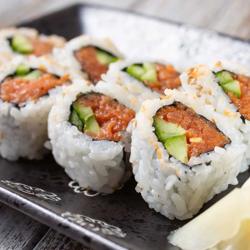
A strong sushi-making class typically begins with the foundation of the meal: properly cooked and seasoned sushi rice. Participants learn how texture, temperature and seasoning affect every roll, then move into ingredient preparation and safe handling. Classes may introduce a range of fillings, from crisp vegetables and avocado to cooked seafood, marinated ingredients and sushi-grade fish selected for raw preparation. Clear instruction around freshness, refrigeration, cross-contamination and knife safety is especially important, and a well-organized class should explain how to transport and store perishable ingredients when the lesson takes place at home. Rolling technique is often the most anticipated part. With a bamboo mat or another simple rolling aid, students practice spreading rice evenly, arranging fillings without overloading, tightening the roll and slicing it into clean pieces. Depending on the class, they may prepare classic cylindrical rolls, inside-out rolls with rice on the outside or hand rolls shaped into neat cones and eaten soon after assembly. The hands-on format makes the learning approachable: the first roll may be a little loose or generously filled, but the next one usually improves as the rice-to-filling balance becomes easier to feel. For a December gathering, a class can also add a festive touch through colorful vegetables, elegant garnishes and shareable platters that turn dinner into part of the celebration. Participants who prefer vegetarian, cooked or gluten-conscious options should review the menu in advance and confirm whether substitutions can be accommodated.
When choosing among sushi-making classes, think beyond the lesson itself and consider the complete experience. A venue-based workshop may pair the food with sake, craft beer, cocktails or nonalcoholic refreshments, creating a relaxed social occasion that feels distinct from a standard restaurant meal. At-home instruction offers more control over the atmosphere, from a quiet kitchen lesson for two to a lively table filled with friends, bowls of seasoned rice and neatly arranged ingredients. Some classes focus on foundational skills, while others are designed around a particular menu or advanced techniques, so the description should make clear what participants will prepare and whether ingredients, tools and printed recipes are included. A class can be especially appealing for someone who enjoys cooking but has not yet tried sushi, since the guidance removes much of the uncertainty and leaves participants with skills they can repeat for future dinners. It is also a thoughtful gift for newlyweds, college graduates setting up a kitchen, parents looking for an activity with older children or hosts planning an interactive holiday event. For another occasion built around shared time and hands-on learning, explore
Sushi Making Classes for Weekend Events. Whether the class takes place in a professional kitchen, a neighborhood gathering space or your own home, the best choice gives everyone enough guidance to feel confident, enough flexibility to make the experience their own and a delicious reason to linger at the table.