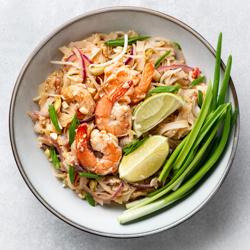
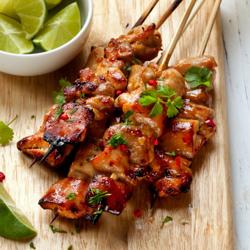
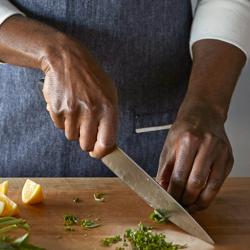
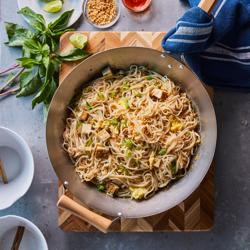
Thai cooking classes are a lively way to cook with the bright ingredients and quick techniques that suit the stretch from warm weather into the cooler months. As fresh herbs reach their most fragrant, a handful of cilantro, mint, Thai basil, or green onion can transform a simple dish, while crisp cucumbers, green mangoes, peppers, and other seasonal produce bring contrast to rich sauces and fragrant curries. Classes may explore familiar favorites such as shrimp Pad Thai, green curry, fresh summer rolls, or crisp papaya and green mango salads, while also introducing the regional traditions and pantry staples behind them. The most useful lessons focus on balance rather than heat alone. Thai cooking brings together sweet, spicy, sour, salty, and bitter notes, and learning to adjust those flavors is often the difference between a dish that tastes flat and one that feels complete. A small splash of citrus, a touch of sweetness, or a spoonful of savory seasoning can change the character of a sauce in seconds. For cooks who want a hands-on introduction, [
Thai Summer Cooking Workshops for Home Cooks] can offer a welcoming way to practice these techniques while building confidence in the kitchen. Look for a format that matches the way you learn best: an in-person class can provide immediate guidance with knife work, wok heat, rolling, and plating, while a virtual class lets you cook from your own kitchen and revisit the experience at a comfortable pace.
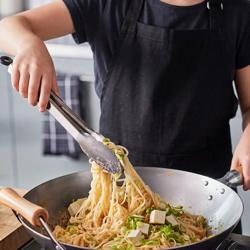
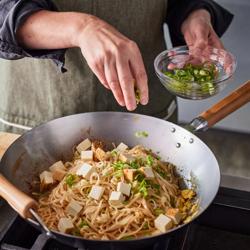
When choosing among Thai cooking classes, consider the menu, length, class size, and level of instruction as carefully as you would any other kitchen purchase. A two- to three-hour workshop is often long enough to cover several dishes without making the experience feel rushed, particularly when the menu includes a curry, a noodle dish, and a fresh salad or appetizer. Beginners may appreciate classes that provide a clear ingredient list, preparation notes, and direction on foundational tasks such as slicing aromatics, blooming curry paste, soaking noodles, and managing a hot wok. More experienced home cooks may prefer a regional focus, a deeper look at curry pastes, or a class that explains how to substitute ingredients while preserving the intended balance. It is also helpful to check whether ingredients and equipment are included, supplied in advance, or expected from the participant. Some classes provide prepared components so students can concentrate on technique; others begin with a pantry tour and show how dried rice noodles, coconut milk, herbs, chilies, fish sauce, tamarind, and other essentials work together. For online options, a well-organized ingredient list and a reliable way to ask questions during the session can make the difference between feeling like you are following along and feeling left behind. In-person studios and chef-led kitchens may provide everything needed for the lesson, making them especially convenient for cooks who want to arrive with an appetite and leave with new skills. Private or small-group classes can be a thoughtful choice for birthdays, housewarmings, reunions, or gatherings with friends, while a virtual experience may suit relatives or coworkers who live in different places. Before booking, check for allergy guidance, vegetarian or vegan accommodations, spice-level flexibility, accessibility information, and whether the class is designed for solo cooks, couples, or groups.
Thai cooking classes also make memorable gifts because they offer more than a meal: they give the recipient a repeatable skill, a shared story, and a reason to invite people back around the table. A class can be a natural gift for someone who enjoys traveling through food, a new cook building a kitchen routine, or an experienced home chef looking for fresh ideas during the transition from outdoor entertaining to cozy indoor meals. Consider the recipient’s comfort with spice, interest in seafood or meat, preferred learning style, and available schedule. A hands-on class may appeal to someone who enjoys the energy of chopping, stirring, tasting, and adjusting alongside an instructor, while a virtual workshop can be especially useful for a busy cook or a household that prefers learning at home. Thai techniques are practical well beyond the class itself. Quick wok cooking helps preserve the color and crunch of vegetables, fresh rolls are an easy way to turn herbs and leftover produce into a light meal, and curry can be adapted with seasonal vegetables as the weather changes. The lessons can also encourage a more attentive approach to tasting: add a little sourness, taste again, then decide whether the dish needs sweetness, salt, or heat. That habit travels well across many cuisines. Whether selected for personal enrichment or given as an experience, a Thai cooking class brings the fragrance of toasted spices, fresh herbs, citrus, and chilies into the kitchen and leaves home cooks with techniques they can use long after the class ends.