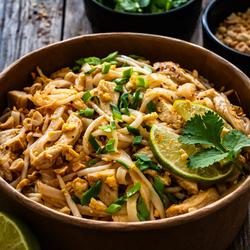
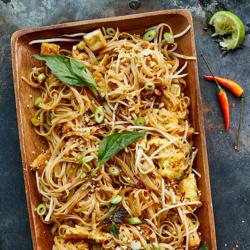
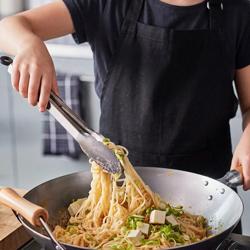
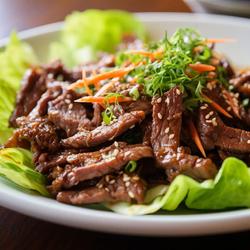
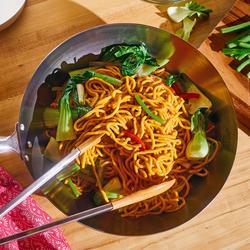
Thai cooking classes for stir fry lovers bring the appeal of a favorite takeout meal into a setting where the cooking is part of the experience. The draw is more than a sizzling wok: it is understanding how crisp vegetables, tender meat or tofu, fragrant aromatics, and a well-balanced sauce come together in minutes. Thai stir-frying rewards preparation and attention, making a class especially useful for cooks who enjoy bold flavors but sometimes struggle with soggy vegetables, sticking noodles, or sauces that taste too salty. Instruction can connect those familiar frustrations to practical skills, including consistent knife cuts, ingredient preparation, heat management, and the order in which food enters the pan. A thin slice of chicken cooks differently from a broccoli stem, while garlic needs enough heat to become fragrant without scorching. Seeing those differences as a dish takes shape gives technique a clearer purpose than a recipe alone can provide. Wok cooking also involves knowing when to stir, when to let ingredients make contact with the hot surface, and when a crowded pan needs a smaller batch rather than more heat. These are approachable skills, not tricks reserved for restaurant kitchens. For beginners, the experience can make a fast-moving cooking style feel more manageable. For confident home cooks, it offers a chance to refine timing and recognize the sounds, aromas, and visual cues that signal the next step. The moment a sauce begins to cling rather than pool, or noodles loosen without breaking, can explain more than a fixed cooking time. That attention to texture matters as much as seasoning: a successful stir-fry should feel deliberate, with each ingredient cooked to suit its role. Classes centered on Thai stir-fries offer a way to explore that balance while building a better understanding of why a dish works. They also make the preparation behind quick cooking easier to appreciate, from having a sauce measured before the burner goes on to keeping delicate herbs ready for the finish.
Flavor is another reason Thai cooking rewards time with an instructor. Sweet, sour, salty, and spicy elements are important reference points, but balance does not mean every dish should contain equal amounts of all four. Some stir-fries lean savory and peppery; others emphasize chile heat, fresh herbs, or a tangy sauce. Fish sauce can contribute saltiness and depth, tamarind brings a distinctive tartness, and a little sugar can soften sharp edges without making dinner taste sweet. Learning to recognize those roles helps explain why adding more sauce is not always the answer when a dish seems unfinished. Aromatics matter, too. Garlic, chiles, scallions, and basil each behave differently in a hot pan, and their timing affects the finished flavor. Depending on the class menu, familiar dishes such as pad Thai, pad see ew, or basil stir-fries may provide different ways to explore these ideas. Rice noodle dishes can highlight soaking, separation, and careful handling, while a vegetable or meat stir-fry can put the emphasis on quick cooking and ingredient sequence. Pad see ew, for example, is associated with broad rice noodles and a savory soy-based seasoning, offering a different experience from the tangy, sweet-savory character of pad Thai. Those distinctions help make Thai cooking feel less like a single sauce formula and more like a varied culinary tradition. Menus differ, so the individual class description is the best reference for the dishes and techniques covered. For a broader look at familiar Thai meals,
Thai Restaurant Favorites Cooking Classes offers a related direction to explore. A stir-fry-focused class is particularly appealing when the goal is to understand the relationship between a short cooking time and a fully developed dish. It can also build appreciation for finishing touches: a squeeze of lime where appropriate, herbs folded in at the end, or a crunchy garnish that changes each bite. These details are not interchangeable, and understanding their purpose makes the finished meal feel more intentional.
The experience suits a range of cooks and occasions, from a solo outing built around a favorite cuisine to a date night or a shared activity with a friend. Someone who regularly orders noodle dishes may enjoy discovering what creates their characteristic texture, while a cook who already makes stir-fries at home may be more interested in seasoning adjustments and better control of the pan. Preparing a meal together gives couples and friends something concrete to focus on beyond conversation, with plenty to notice as ingredients change aroma, color, and texture. A cooking class can also make a thoughtful birthday or anniversary gift for someone who values experiences and enjoys learning through food. The best fit depends on the recipient’s interests, comfort level, and the menu rather than an assumption that every Thai class covers the same ground. Skill expectations, session length, participation details, and dietary information deserve attention when choosing an experience. Thai dishes may contain fish sauce, soy, shellfish, peanuts, eggs, or wheat-containing seasonings, so allergies and dietary needs should be discussed before booking rather than treated as easy substitutions. A vegetable-centered dish, for example, is not necessarily vegetarian if its sauce contains fish sauce. That practical understanding is part of becoming a more informed cook. Beyond the occasion itself, the lasting value lies in skills that can carry into everyday meals: preparing ingredients before cooking, noticing excess moisture, tasting with a specific adjustment in mind, and matching the pace of cooking to the ingredients. A class can help turn an ambitious noodle dinner into a more organized evening, with less scrambling for sauce ingredients while garlic darkens in the pan. It can also encourage a more thoughtful approach to familiar recipes, where changes are based on flavor and texture rather than guesswork. For stir-fry lovers, that combination of enjoyment and useful technique gives Thai cooking classes an appeal that extends well beyond a single meal.