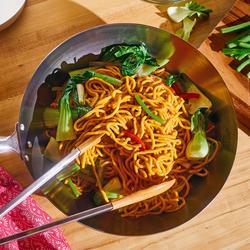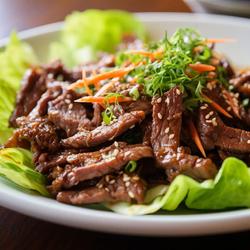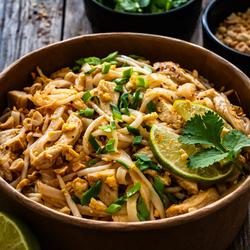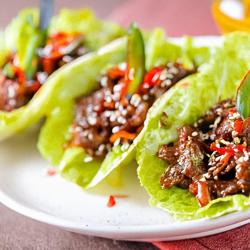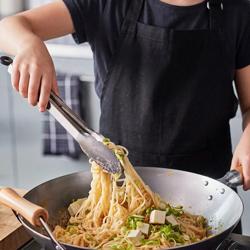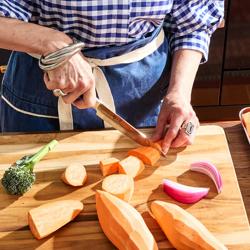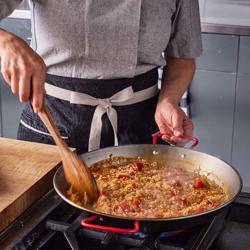
Stir-fry cooking classes turn a familiar takeout favorite into an opportunity to understand what happens at the stove. The appeal goes beyond a fast dinner: well-made stir-fries bring together vegetables with a little bite, tender meat or tofu, fragrant aromatics, and sauce that coats rather than overwhelms. Rooted in Chinese cooking and practiced in distinct ways across many Asian cuisines, stir-frying rewards attention to preparation, heat, and timing. A class provides a setting to explore those connections with instruction and a clear purpose behind each technique. For beginners, that might mean learning why evenly cut ingredients cook more predictably or how a crowded pan can leave vegetables steaming in their own moisture. More experienced home cooks may be interested in improving browning, keeping delicate ingredients from overcooking, or recognizing when a sauce has reached the right consistency. Much of the learning starts before anything touches the pan. Slicing vegetables, portioning sauces, and arranging ingredients in cooking order help make a quick-moving method feel manageable. Instead of searching for a missing ingredient while garlic darkens, cooks can focus on the sound of a lively sizzle and the changing texture of the food. Instruction can also help connect the shape of a cut to its role in the dish: a thin carrot slice behaves differently from a thick piece of broccoli stem, even when both go into the same meal. Depending on the class, lessons may address working with a wok or skillet, handling ingredients safely, and building a practical rhythm between preparation and cooking. Those details matter because stir-frying is not simply a matter of turning up the heat and stirring constantly. Learning when to spread ingredients out, when to leave them briefly undisturbed, and when to toss can make the difference between uneven results and a meal with distinct textures. The goal is confidence grounded in observation, not a collection of rules to memorize.
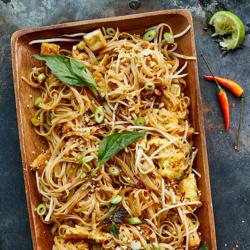
The menu gives each stir-fry class its character, so the dishes being taught are worth considering alongside the techniques. A vegetable-centered class might highlight how to pair crisp greens with mushrooms, onions, or tofu without losing the qualities that make each ingredient appealing. Another menu might focus on thinly sliced beef, chicken, shrimp, or noodles, with different lessons in preparation and cooking sequence. Sauces offer another point of discovery. Saltiness, sweetness, acidity, heat, and savory depth can work together in many combinations, and a class can help explain why a sauce that tastes strong on its own may make sense once it coats vegetables and rice. Learning about these relationships is more useful than treating every stir-fry sauce as interchangeable. Chinese and Thai stir-fried dishes, for example, come from distinct culinary traditions, with differences that extend beyond whether a dish includes chiles. Aromatics, seasonings, noodle styles, and finishing ingredients all help shape the result. For a closer look at Thai dishes and their particular balance of flavors, explore
Thai Cooking Classes for Stir Fry Lovers. Depending on the menu, a Thai-focused experience may introduce ingredients such as fish sauce, basil, lime, or rice noodles, with attention to how each contributes to the finished dish. Across different styles, the most memorable lessons often involve small sensory details: the aroma of garlic as it cooks, the gloss of a sauce as it reduces, or the moment a vegetable becomes tender while retaining some crunch. These are useful reference points when a recipe’s timing does not quite match the pan or stove at home. A thoughtfully chosen class can also broaden the idea of what belongs in a stir-fried meal, from contrasting textures within the main dish to the role of rice or another accompaniment. Checking the class description helps connect those interests with a menu that sounds genuinely enjoyable to cook and eat.
Stir-fry cooking classes can suit a wide range of cooks and occasions, from someone learning to prepare satisfying dinners to a confident cook looking to break out of a familiar rotation. The method is especially relevant to people who enjoy meals built around vegetables and a flexible mix of ingredients, although the preparation deserves as much attention as the brief time spent at the stove. For a couple, cooking together offers a shared activity with natural opportunities to divide tasks, compare impressions, and enjoy the finished meal. Friends can choose a class around a favorite cuisine, while a solo attendee can focus on a personal cooking goal without needing a partner to take part. A birthday celebration or a cooking-class gift can feel especially thoughtful when the menu reflects what the recipient already loves to eat or has wanted to learn. The most useful choice starts with the experience itself: consider the skill level described, the dishes included, the amount of participation, and any practical details about the session. Anyone with food allergies or dietary restrictions should review the menu and stated accommodation policies carefully, since ingredients such as soy, wheat, shellfish, sesame, or peanuts may appear in sauces and seasonings as well as in the main dish. Beyond the occasion, the lasting appeal is what carries into everyday cooking. Understanding preparation order can make a busy dinner feel less scattered. Recognizing excess moisture can help explain why a previous attempt lacked browning. Knowing how to taste for balance can make it easier to spot whether a dish needs brightness, savoriness, or a lighter hand with sauce. Even cleaning and organizing along the way becomes more purposeful when the cooking moves quickly. A single class will not cover every regional style or every possible ingredient, but it can provide a useful foundation and a clearer sense of what to practice next. That combination of an enjoyable meal, focused learning, and skills that translate to the home kitchen gives stir-fry classes value well beyond the session.