Date-night classes featuring chocolate desserts bring a shared activity to the center of an evening together. Rather than simply choosing something sweet from a menu, couples get to spend time understanding how it comes together: chocolate melting into a smooth pool, batter turning glossy as it is stirred, or a delicate mixture becoming lighter with each fold. There is room for conversation, but also something interesting to focus on together, which can make a cooking class feel more natural than an evening built entirely around sitting across a table. For a couple who enjoys baking, the appeal may be learning a technique that has seemed difficult to attempt at home. For two beginners, it may be the chance to make something unfamiliar with an instructor nearby to explain what to look for. Different levels of kitchen experience can work well together, too. One person might feel comfortable measuring and organizing ingredients while the other enjoys whisking, shaping, or adding the finishing touches. The shared task gives both people a role without requiring matching skills. Chocolate adds its own character to the experience, with aromas, textures, and flavors that change noticeably as ingredients are combined. A dessert can move from intensely cocoa-forward to mellow and creamy, or balance a rich center with a crisp edge. Depending on the menu, chocolate may be the focus of a dessert-centered session or the final course in a larger date-night meal. Either approach gives the evening a clear point of connection: making something together, noticing the details, and sharing the result. These classes suit established couples looking for a different kind of night out as well as newer couples who enjoy an activity with a little structure. The pleasure comes as much from the small moments along the way—a successful fold, a neat finishing touch, an encouraging taste—as from the dessert itself.
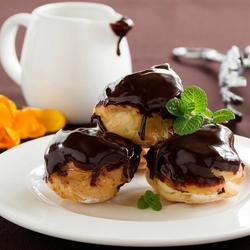
Chocolate desserts offer plenty to learn because a short ingredient list can still involve surprisingly precise technique. Gentle heat, careful mixing, and the right sequence can make the difference between a smooth texture and a grainy one. In a class that includes ganache, for example, the lesson may center on bringing chocolate and cream together into a glossy emulsion and understanding how their proportions affect consistency. A mousse can introduce the balance between a rich chocolate base and the air incorporated through whipped ingredients. A baked dessert may place more emphasis on mixing, preparing the baking vessel, and recognizing doneness before the center becomes dry. Menus vary, so the techniques covered should come from the individual class description rather than an assumption that every session includes the same skills. Across different preparations, though, chocolate provides useful visual and tactile cues. A chef can explain why the mixture has thickened, what a properly combined batter looks like, or why a dessert needs time to set before serving. Seeing those details in person can make a recipe feel much more understandable later. Flavor is another part of the experience. Dark chocolate can bring bitterness and depth, while milk chocolate contributes a softer cocoa flavor and greater sweetness. Ingredients such as vanilla, coffee, citrus, or a small amount of salt can change how the chocolate tastes without overwhelming it. Contrasting textures matter as well: a crisp element beside a soft filling, a smooth sauce against a tender crumb, or a light accompaniment with a dense bite. Learning to notice those relationships helps couples talk about what they enjoy instead of treating every chocolate dessert as equally rich or sweet. Finishing can be part of that learning, too. When included in the class, a simple dusting, a controlled spoonful of sauce, or a thoughtfully placed garnish shows how a dessert can look inviting without elaborate decoration. These are approachable details that can carry over to a homemade dinner long after the class ends.
Choosing a date-night class is partly about the food and partly about the kind of evening two people want to share. A menu built around familiar flavors may feel welcoming to someone who rarely bakes, while an unfamiliar preparation can appeal to a couple who likes trying new techniques together. The full menu matters, particularly when chocolate dessert follows savory courses, because the whole meal shapes the experience. Class descriptions can also clarify the format, expected experience level, session length, and how the cooking is organized. Those details help distinguish an evening of active preparation from one with a stronger demonstration element, without assuming that every class follows the same structure. Anyone with food allergies or dietary restrictions should review the stated information and ask about ingredients and kitchen practices before making plans; chocolate desserts commonly involve milk, eggs, wheat, or nuts, and recipes differ. Beyond the practical considerations, these classes can give an anniversary, birthday, or ordinary date night a more personal focus. They can also be a thoughtful experience gift for a couple who values spending time together and enjoys food. There is no need for both people to be confident bakers or to leave with an elaborate dessert ready for every occasion. Learning why a mixture behaves a certain way, becoming more comfortable with a technique, or discovering a flavor combination worth making again can be satisfying on its own. Couples interested in exploring sweet-focused experiences beyond chocolate can also browse
Dessert Making Classes for Couples for a broader view of dessert-centered options. For chocolate lovers, the appeal remains wonderfully specific: time spent side by side, attention given to something delicious, and the satisfaction of understanding a little more about a favorite treat. A class turns dessert from the last few bites of an evening into an experience worth sharing.