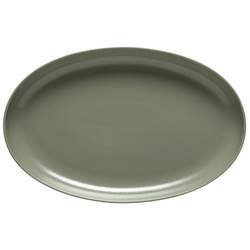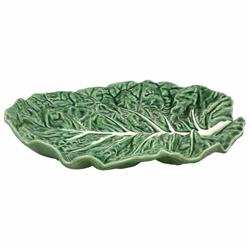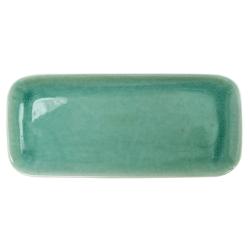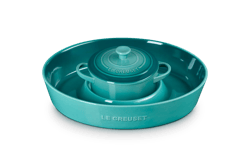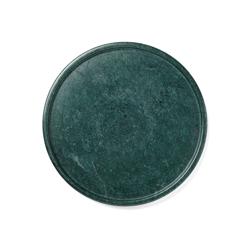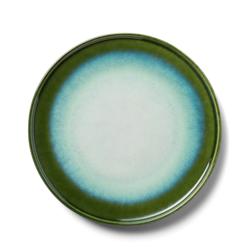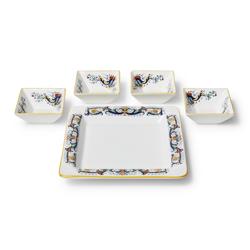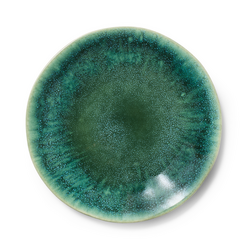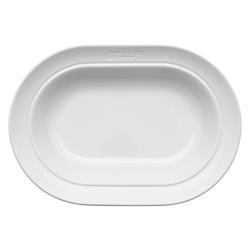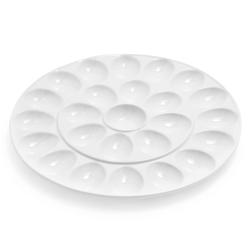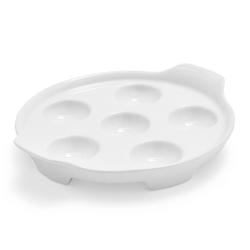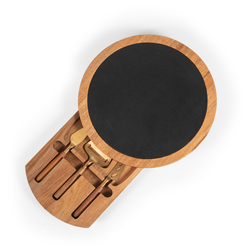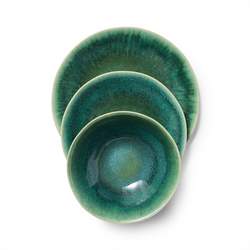
Decorative green serving platters bring color and character to the table while providing a generous surface for appetizers, main dishes and desserts. Material, shape and decorative details all influence how a platter looks and works: glazed ceramic offers a wide range of finishes, oval shapes suit sliced foods and round platters create a natural focal point for shared dishes. Green is especially versatile because it can feel understated or expressive depending on the shade and pattern. Soft sage sits comfortably beside white dinnerware and natural linen, while deeper olive and forest tones add contrast to pale wood, cream-colored plates and clear glassware. A floral border can frame a simple arrangement of sandwiches, and a leaf-inspired surface gives fresh fruit or a selection of cheeses an appealing backdrop. The decoration does not need to compete with the food. A narrow patterned rim leaves the center open for serving, while an allover design becomes more visible as guests help themselves. For a casual lunch, a green platter filled with tomato sandwiches or lemon wedges beside grilled fish adds color without requiring a fully coordinated table. For a dinner party, the same color can tie together otherwise different dishes, napkins and serving pieces. Shape also contributes to the presentation. An oval platter gives sliced chicken, roasted vegetables or crostini room to spread out rather than pile up. A round platter works well for a wheel of cheese surrounded by crackers, a ring of small pastries or a loosely arranged fruit selection. Rectangular forms create clean lines for rows of tea sandwiches and bite-size desserts. Sculptural edges, embossed leaves and hand-painted details can make a platter attractive even before the food arrives, though a relatively smooth central surface is useful when guests need to lift delicate pieces with a serving spatula. The best match balances that decorative appeal with the way the platter will actually be used, whether it is carrying dinner to the table or anchoring a spread on the kitchen island.
Materials give decorative green serving platters much of their personality, but they also affect weight, handling and care. Ceramic is a broad category that includes stoneware, porcelain and earthenware, so the material description alone does not tell the whole story. Stoneware often has a substantial feel that suits relaxed meals and textured glazes. Porcelain can offer a finer profile and a smooth surface that complements more tailored table settings, though appearance and weight vary by design. Earthenware lends itself to expressive shapes and painted decoration, with care requirements that deserve attention before everyday use. Green glass offers a different effect, allowing light to play through translucent color and keeping the table visually lighter. Whatever the material, a platter intended for food should have a food-safe serving surface; a piece described only as decorative should not be assumed suitable for direct contact with food. Glaze, painted details and applied finishes may also come with specific restrictions. A serving platter is not automatically a baking dish, even when it is made from a material commonly used in bakeware. Oven, microwave and dishwasher suitability should be confirmed in the care instructions rather than inferred from appearance. This matters when the plan is to warm a platter before serving dinner or refrigerate an assembled appetizer spread ahead of a gathering. Ceramic pieces can be vulnerable to sudden temperature changes, so moving a cold platter directly into a hot oven is not a safe assumption. Durability also depends on construction and use: broad rims, thin projections and raised decorative details may need extra protection from bumps during serving and storage. For saucy foods, a slightly raised edge helps contain juices, while a flatter surface makes it easier to lift cookies, slices of cake or individual appetizers. A deeply textured design can be lovely beneath whole fruit or wrapped treats, but a smooth surface is generally easier to wipe clean after dips, soft cheese or sticky desserts. These practical details help distinguish a platter suited to frequent meals from one better reserved for occasional entertaining.
Size and fit matter just as much as color when a platter becomes part of a serving routine. A generous surface gives food breathing room, but the overall dimensions need to work with the dining table, storage shelves and sink. On a smaller table, a long, narrow platter can hold a shared dish while leaving space for dinner plates and drinking glasses. At a larger gathering, several manageable platters may be easier to pass and replenish than one oversized piece. The usable serving area is worth considering alongside the outside measurements, since a wide decorative border can take up a noticeable portion of the surface. Weight matters once food is added, too; a piece that feels comfortable empty may need two hands when carrying a roast or a full assortment of fruit. Green serving pieces can coordinate with existing dinnerware without matching it exactly. A patterned platter against plain plates creates a clear focal point, while a quieter glaze gives patterned dishes room to stand out. Explore
Green Ceramic Platters for a material-focused approach to this versatile color. Beyond meals, a food-safe platter can hold lemons on a counter or become a backdrop for a neatly arranged coffee station, provided its placement is stable and away from busy edges. Thoughtful care helps preserve both the finish and the decorative details. Follow the manufacturer's cleaning instructions, use nonabrasive tools and avoid knocking ceramic rims against the faucet or sink. When stacking platters, a soft separator helps prevent surfaces from rubbing together; upright storage works best with secure dividers that keep pieces from tipping. Decorative green serving platters also make useful gifts for hosts, newlyweds and anyone building a collection of tableware. A recipient who enjoys shared dinners may appreciate a versatile oval shape, while someone drawn to expressive table settings may prefer botanical decoration or a distinctive glaze. Choosing with their space, serving habits and existing dishes in mind makes the gift personal as well as practical.