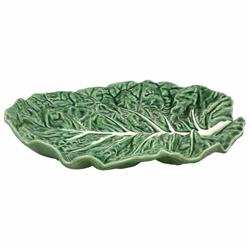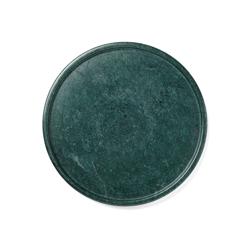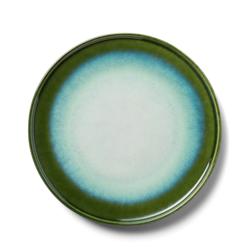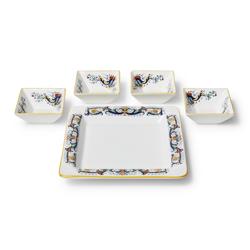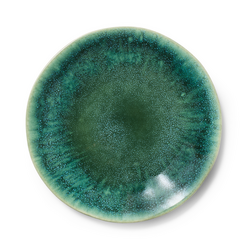
Unique green serving platters bring color and character to the table through distinctive shapes, botanical details, textured surfaces and varied glazes. Their appeal goes beyond decoration: a well-chosen platter gives food room to shine while making it easier to serve a shared meal. Green offers a broad palette, from soft sage and pale celadon to saturated emerald and deep olive. A lighter shade creates a gentle backdrop for sliced fruit, tea sandwiches or pastries, while a darker green can set off golden roasted vegetables, fresh mozzarella or a stack of crisp crostini. Leaf-inspired shapes and raised botanical patterns lend a garden-like quality to the table, especially when the detailing follows the rim and leaves a practical surface for food in the center. Hand-painted designs can introduce brushwork and small variations, while reactive glazes may produce mottling, speckles or shifts in color that give a ceramic piece an individual appearance. Those differences are part of the appeal for someone who prefers a table that feels collected rather than perfectly matched. A green platter can sit comfortably beside white dinnerware, clear glassware and natural linen, or bring another layer of color to patterned plates. Matching every shade is less important than finding a shared detail, such as a similar glaze finish, curved edge or botanical motif. For a quieter setting, one sculptural serving piece can provide enough visual interest on its own. For a more expressive table, several complementary greens can work together without looking identical. The most useful decorative details also suit the way food will be arranged: a broad, smooth center accommodates overlapping slices, while a softly scalloped border frames small bites. Think about how much of the design will remain visible once the platter is filled. A patterned rim can still make an impression beneath a generous spread, whereas a central illustration is better revealed by a loose arrangement with a little breathing room.
Material plays a large part in how a green serving platter feels, performs and fits into everyday routines. Stoneware often has a substantial feel that suits family-style meals, though its weight is worth considering when a large platter will be passed around the table. Porcelain can offer a finer-looking profile and a smooth surface for arranging delicate appetizers, but thickness and construction vary, so appearance alone does not establish durability. Earthenware lends itself to expressive shapes and decorative finishes; it may need gentler handling, particularly around sculpted edges and raised details. All ceramic serving pieces can chip if knocked against a faucet, countertop or another dish. Glazed surfaces should be intended for food contact, and a decorative appearance is not evidence that a platter is suitable for the oven, microwave or dishwasher. Glass offers another look, with colored or textured surfaces that can catch the light around fresh fruit or small desserts. Its heat tolerance depends on the particular construction, so serving suitability should never be treated as permission to bake in it. Melamine is typically lighter than ceramic and can be practical for carrying snacks to the patio or passing food among a larger group. It is not intended for oven or microwave use, and any restrictions on hot food or dishwasher placement should be checked before serving. Enameled metal can combine a lighter feel with a colorful finish, although chipped enamel and exposed edges need attention according to the care instructions. Across materials, the finish matters just as much as the base: a glossy surface may release dressings and sticky sauces readily, while deep grooves or raised veins can require a little more care during washing. Reactive glazing describes a decorative effect, not a guarantee of strength or appliance compatibility. For frequent use, prioritize comfortable handling, a stable base and care requirements that fit the household. For occasional entertaining, a more detailed surface may be worth the extra time spent cleaning and storing it.
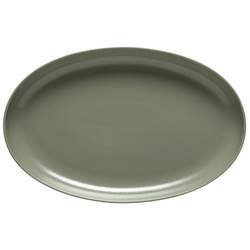
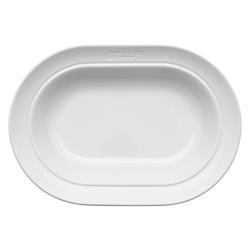
Shape and size determine whether a distinctive platter becomes a regular part of meals or stays tucked away between gatherings. An oval offers length for a row of stuffed mushrooms, a sliced roast or overlapping pieces of grilled zucchini without taking up the same corner space as a rectangle. For a closer look at that shape,
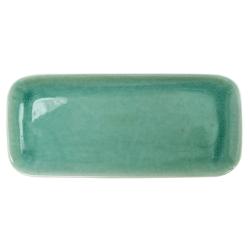
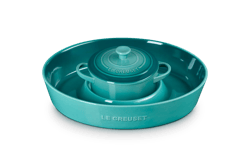
Green Oval Serving Platters bring together a useful serving silhouette and a versatile color family. Round platters work well for arrangements built around a central dip bowl, while rectangular shapes can make orderly rows of pastries or appetizers easy to reach. An irregular leaf shape may be especially appealing for presentation, but its widest dimensions do not always reflect the amount of usable serving space. Check the flat center, rim depth and overall footprint against the foods it will hold. A shallow lip helps contain crumbs and modest amounts of dressing; foods with plenty of sauce generally need more depth. Leave enough clear edge to carry the platter securely, and consider its weight when loaded rather than empty. On a smaller dining table, two manageable platters may leave more room for place settings than one oversized centerpiece. Storage deserves equal attention: a broad platter needs a shelf or cabinet deep enough to support it without pressure on its edges. When stacking ceramics, a soft separator can help protect glazed surfaces and raised decoration. Follow the stated washing directions, use nonabrasive cleaning tools where recommended and avoid sudden temperature changes unless the material is specifically designed to tolerate them. These practical details also make a serving platter a thoughtful wedding, housewarming or host gift. Someone who regularly serves shared dinners may appreciate a generous, easy-care shape, while a frequent appetizer host might get more use from a smaller piece that fits beside drinks and napkins. For a recipient drawn to botanical patterns or green kitchen accents, a distinctive platter connects personal taste with an everyday ritual: putting something good on the table and inviting others to share it.