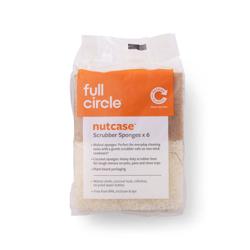
Dishwashing sponges make everyday cleanup easier by combining absorbency with scrubbing power in one compact tool. A soft side helps wipe plates, glasses, countertops and the inside of sinks, while a textured or abrasive side loosens dried-on food from cookware and serving pieces. The best choice depends on the work in front of you. For lightly soiled dishes, a soft cellulose or foam sponge can spread dish soap evenly and lift crumbs without creating unnecessary friction. For roasting pans, saucepans and dinnerware with baked-on residue, a more substantial scrubber can help release food after soaking. If you regularly wash delicate surfaces, look for a non-scratch texture designed to clean without dulling finishes. This is especially helpful for nonstick cookware, glazed ceramics, glass and polished stainless steel, where an overly rough pad may leave marks. A sponge with a contoured shape or rippled surface can also reach into corners, around handles and along the edges of baking dishes. Absorbency matters, too: a sponge that holds suds well can make quick work of a full sink, while one that rinses clean easily is useful for wiping counters between meals. In a busy kitchen, having more than one style on hand keeps jobs separate—one for dishes, one for heavier cookware and one reserved for the sink or countertop. That simple arrangement helps prevent greasy residue from transferring to glasses and makes cleanup feel more orderly after long dinners, weekend baking or meals enjoyed outdoors as the weather warms.
When comparing a dishwashing sponge, consider the materials, texture, size and care instructions as carefully as you would any other kitchen essential. A thicker sponge may feel comfortable in the hand and provide extra cushioning during a large cleanup, while a slim profile can be easier to maneuver around narrow glasses and small bowls. Some sponges are made with plant-based fibers or other materials chosen with reduced environmental impact in mind. Others are designed for long wear, quick rinsing or a particular level of scrubbing strength. Color can be practical as well as decorative: assigning different colors to different tasks makes it easier for everyone in the household to know which sponge belongs at the sink and which one is used for messier jobs. For kitchens with limited drying space, choose a sponge that pairs well with an elevated holder or draining tray. Airflow is important because a sponge that remains compressed in a pool of water can develop an unpleasant odor more quickly. After washing, squeeze out excess water without twisting the sponge aggressively, then place it where air can circulate on all sides. Rinse away food particles and soap after each use and clean the holder regularly. Depending on the care instructions, some sponges can be washed on the top rack of a dishwasher. Browse
Dishwasher Safe Sponges for options made to fit into that routine. Microwaving is another sanitation method sometimes recommended for compatible sponges, but it requires care: the sponge must be completely wet, contain no metal or metallic material and be heated only according to the manufacturer’s directions. Never microwave a dry sponge, and stop using any sponge that smells sour, shows visible wear or begins to fall apart.
A fresh dishwashing sponge is a small but useful addition to a new-home basket, housewarming gift or kitchen refresh, especially for someone setting up a first apartment or preparing for a new cooking routine. It is the kind of practical gift that earns its place quickly, tucked beside a bottle of dish soap, a drying mat or a favorite kitchen towel. Experienced home cooks appreciate having dependable scrubbers ready for the aftermath of simmering sauces, sticky doughs and meals served to a crowd. Families may prefer a selection of textures so children can help with simple, supervised tasks such as wiping rinsed plates or cleaning the outside of a lunch container. Hosts can keep extra sponges available when entertaining during the cooler months, when hearty one-pot meals, casseroles and baking projects often leave more to wash. A well-chosen sponge can also be useful for students, campers and anyone furnishing a compact kitchen, where one versatile tool needs to handle a variety of surfaces. Even with careful maintenance, sponges do not last forever. Replace them regularly—often every two to four weeks, or sooner if they become frayed, discolored or odorous—and replace them immediately after cleaning up raw meat, eggs or other foods that may carry harmful bacteria. Keeping a small supply in a dry storage spot means a clean sponge is always ready for the next sinkful of dishes. With the right balance of softness, absorbency and scrubbing strength, a dishwashing sponge helps turn a routine chore into a smoother part of cooking and caring for the kitchen.