-
(32)
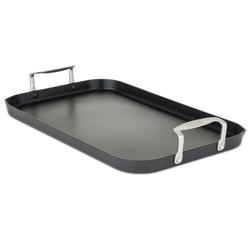
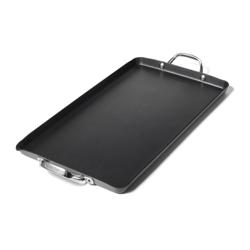
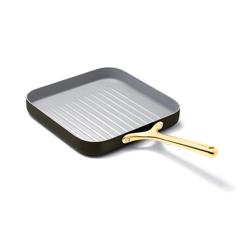
A black double-burner griddle with a durable anodized aluminum exterior and nonstick coating for easy cooking and cleaning.
Pros: easy to clean, durable, good quality
-
(2)
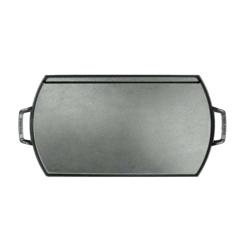
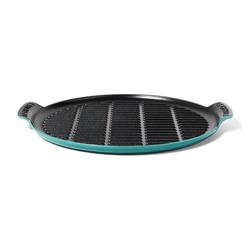
A 20" cast iron double burner griddle with ergonomic handles and sloped sides for easy cooking and transportation.
Pros: versatility, heat retention, durability
-
(1)
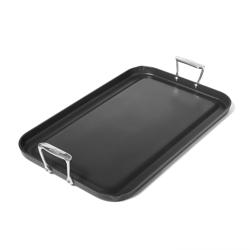
A durable black nonstick griddle with riveted handles for effortless stovetop-to-oven transfers.
-
(1)
A black nonstick double-burner griddle offering even heating and effortless food release for busy kitchens.
Pros: length
Double Burner Griddle
A double-burner griddle is a cooking surface that is designed to fit over two burners on a stovetop. It is a great tool for cooking large meals, as it provides ample space for a variety of foods. It is also a great tool for entertaining, as it can be used to cook multiple dishes at once. Here are some great options.
Double Burner Griddle
FAQ List
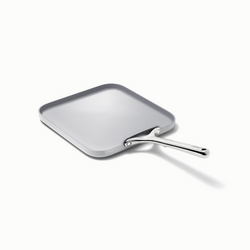
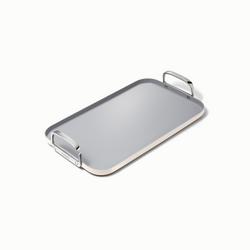
A double burner griddle is a large, flat cooking surface that spans two burners on a stovetop. It is typically used for cooking breakfast foods like pancakes, eggs, and bacon, as well as for grilling sandwiches and other items.
Double burner griddles can be made from a variety of materials, including cast iron, stainless steel, and aluminum. Each material has its own benefits and drawbacks, so it's important to choose one that meets your specific needs.
It depends on the specific griddle you have. Some double burner griddles are compatible with induction cooktops, while others are not. Check the manufacturer's instructions or product specifications to determine if your griddle can be used on an induction cooktop.
The best way to clean a double burner griddle will depend on the material it is made from. Cast iron griddles should be cleaned with a stiff brush and hot water, while stainless steel and aluminum griddles can be cleaned with soap and water. Some griddles are also dishwasher safe. Be sure to check the manufacturer's instructions for specific cleaning recommendations.
Yes, double burner griddles are typically designed to be used on gas stoves. However, it's important to make sure that the griddle is flat and stable on the stovetop, as uneven heating can cause food to cook unevenly.

-
"Great quality griddle. Works great and easy to clean. Love it"
-
"Love it! Great for tortillas. I am ordering my second griddle now"
-
"This is truly a lifetime purchase and one of the best values in cookware. Five stars"
-
"This is truly a lifetime purchase and one of the best values in cookware. Five stars"
-
"artisanal pizzas but then I started experimenting: grilled veggies, rolls, even a whole fish - all work great"