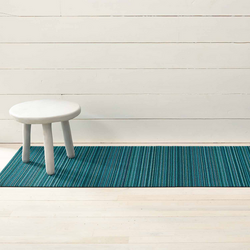
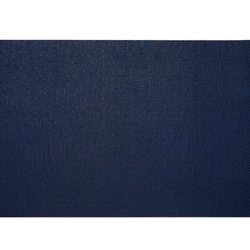
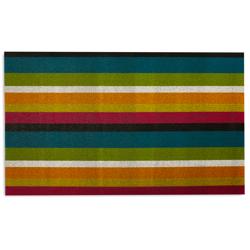
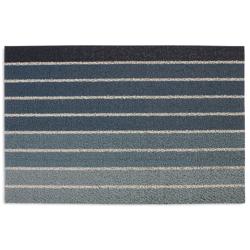
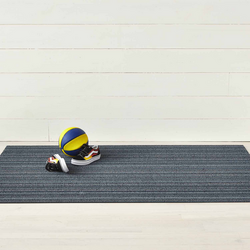
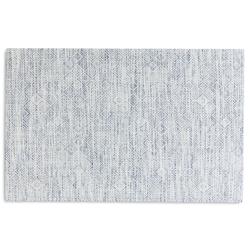
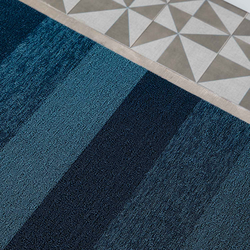
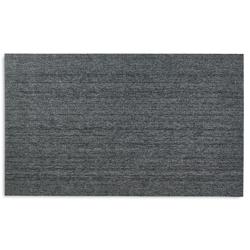
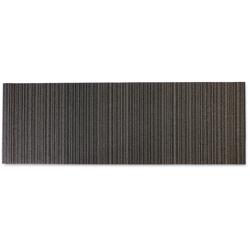
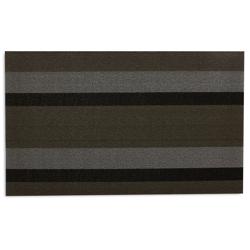
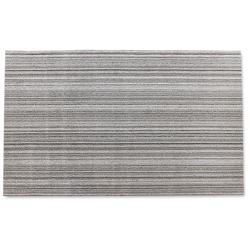
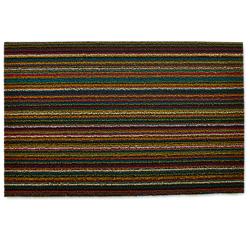
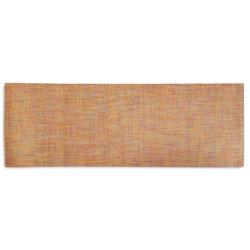
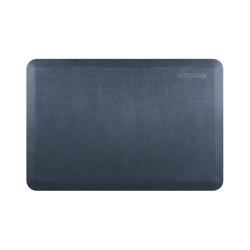
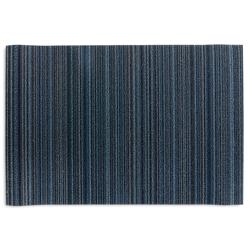
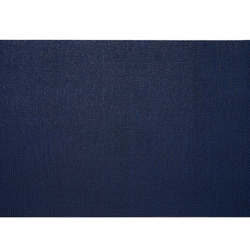
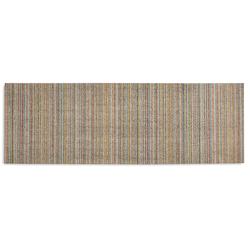
Durable blue outdoor rugs bring color and definition to patios, decks and balconies, with outdoor-rated materials designed to stand up to foot traffic and exposure to the elements. Their durability depends on the fiber, construction and care requirements, so an outdoor rating matters more than appearance alone. Polypropylene is a common choice because it absorbs little moisture and is generally easy to clean, making it useful beneath a dining table or beside a frequently used seating area. Outdoor-rated polyester can also offer a comfortable feel and good color retention, though performance varies by construction and treatment. Tightly woven, low-profile designs tend to accommodate moving chairs and regular sweeping better than thick, loosely textured rugs. Raised patterns can add softness and visual interest, but may catch more crumbs, leaves or grit. Natural fibers such as jute and sisal have an appealing texture, yet generally need more protection from moisture and are better suited to sheltered spaces when the manufacturer permits outdoor use. Blue gives these practical floor coverings a broad range of looks. Navy can ground pale furniture and stand out against light decking, while denim and slate blue sit comfortably alongside natural wood, stone and woven seating. Brighter blues add a lively note without requiring a complete change of furniture or tableware. A blue-and-ivory pattern can echo striped cushions or simple white dishes, while a subtle tonal weave keeps attention on the surrounding space. Pattern also makes a difference in everyday upkeep: a small-scale motif or mixed-color weave can make scattered crumbs and dust less noticeable between cleanings. Neither a dark color nor a bold pattern guarantees better wear, however. For a rug that will receive regular sunlight, look for clearly stated fade resistance or UV resistance, remembering that even treated fibers can change with prolonged exposure. The most useful choice combines a color that suits the setting with construction appropriate for how the space is actually used.
Size and placement help an outdoor rug feel like part of the furniture arrangement rather than an extra layer underfoot. On a compact balcony, a smaller rug can define a spot for morning coffee without crowding a doorway or extending into a drainage channel. A narrow layout may call for a runner, while a broader seating group often benefits from a rectangular rug that reaches beneath the front legs of the sofa and chairs. This creates a connected conversation area and reduces the chance that individual pieces will look scattered across a large deck. Beneath an outdoor dining table, allow enough room for chairs to remain on the rug when pulled out; about 24 to 36 inches beyond the tabletop on each side is a useful starting point, adjusted for the actual chairs and available space. Measuring with chairs in use is more reliable than measuring the table alone. Door clearance deserves the same attention, especially where a sliding screen, hinged door or low threshold meets the rug’s edge. A flatter weave may work better in these locations, provided it stays secure and does not interfere with opening or closing the door. For households with children, frequent guests or pets, a close weave without prominent loops can be a practical choice around active seating areas, although no rug is immune to claw snags or heavy wear. An outdoor-compatible rug pad may improve stability and comfort, but it should be suitable for both the rug and the surface underneath. Some backings and pads can discolor or react with certain decking finishes, so check both manufacturers’ recommendations. Keep edges flat and walkways clear, and position rugs away from grills, fire pits and other heat sources according to the equipment’s safety guidance. For a housewarming gift, a blue outdoor rug can be a thoughtful addition when the recipient’s measurements, furniture layout and care preferences are known.
Straightforward care helps durable blue outdoor rugs stay inviting through everyday meals, muddy shoes and the occasional spilled drink. Regular sweeping or vacuuming, when allowed by the care instructions, removes abrasive dirt before it works farther into the weave. Cleaning beneath the rug matters too, particularly on a deck where grit and fallen leaves can collect unnoticed. Blot spills promptly rather than rubbing them across a larger area, and use only the cleaning methods recommended for the material and backing. Many synthetic outdoor rugs tolerate spot cleaning with mild soap and water, and some can be rinsed with a garden hose, but neither method is right for every construction. Machine washing and pressure washing should never be assumed safe. After a thorough cleaning or soaking rain, let both sides dry completely and check that the surface underneath is dry before returning the rug to its usual position. Water-resistant fibers do not make the entire rug waterproof, and a rug that stays damp can trap moisture against wood or other flooring. Good drainage, airflow and occasional lifting are especially valuable in covered corners where drying takes longer. Rotating the rug periodically can help distribute foot traffic and light exposure, while moving planters prevents a single damp spot from remaining hidden beneath a pot. If the space will be unused for an extended period or the rug’s care instructions call for protection from severe conditions, clean and dry it before storing it in a dry location. These small habits make outdoor rugs easier to live with, whether they sit beneath a family dinner table or anchor a quiet reading chair. For a similar color palette in a cooking space, explore
Durable Blue Kitchen Rugs, keeping indoor traction, door clearance and cleanup needs in mind. Across both settings, blue offers an easy connection to everyday dishes, linens and furniture, while the right material and fit keep the rug useful beyond its decorative role.