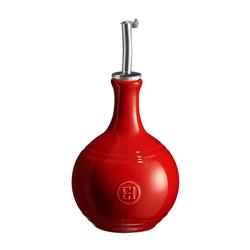
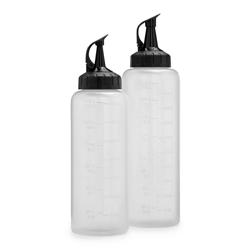
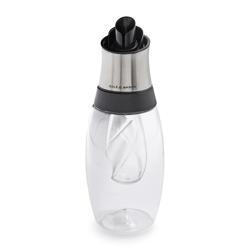
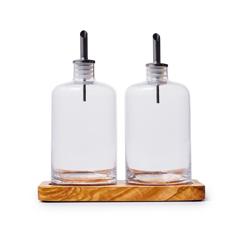
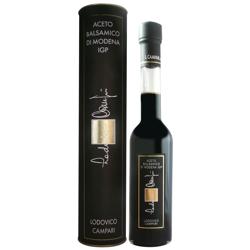
Easy pour vinegar bottles, often called vinegar cruets, are refillable containers with spouts designed to deliver a controlled stream for cooking, dressing salads and finishing food. Their appeal is practical: a little acidity can bring a dish into balance, but a wide bottle opening can release more than intended. A dedicated pouring bottle makes it easier to add red wine vinegar to a bowl of lentils, splash rice vinegar over sliced cucumbers or finish roasted vegetables without soaking them. The shape of the spout matters as much as the shape of the bottle. A narrow opening generally suits a light drizzle, while a broader opening may work better for a more generous pour or a slightly thicker vinegar. Some designs use a hinged cover that opens as the bottle tilts; others have a removable cap or stopper. These details affect how comfortably the bottle works when one hand is holding a mixing bowl or tossing a salad. A well-designed pouring lip can help limit drips, though the angle of the bottle and the consistency of the vinegar also influence the result. Thin white wine vinegar flows differently from a thick balsamic glaze, so a dispenser intended for everyday vinegar may not be the best match for a syrupy reduction. For recipes that need an exact quantity, pour into a measuring spoon rather than relying on the length of a drizzle. At the table, the same controlled flow lets each person add acidity to taste. A few drops over white beans, grilled vegetables or a tomato salad can be enough. Easy pour vinegar bottles support that small adjustment, keeping the focus on the food rather than on handling a bulky storage bottle or catching a stray splash.
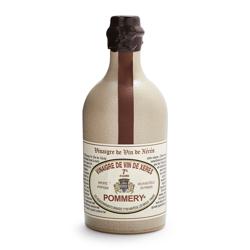
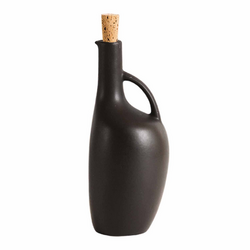
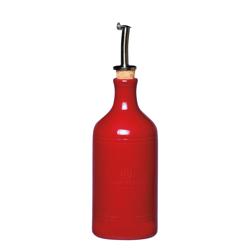
Materials give vinegar bottles different advantages in the kitchen and on the table. Clear glass makes it easy to recognize the contents and see when a refill is needed. It also lets the color of the vinegar become part of the presentation, whether that is the pale gold of white wine vinegar or the deep brown of balsamic. Glass is nonporous and does not readily retain flavors, making it useful when a bottle is thoroughly cleaned between different vinegars. Ceramic and stoneware offer an opaque alternative, with surfaces that can coordinate with dinnerware or sit comfortably beside a salt cellar. Their walls block light, although the bottle still belongs away from direct sunlight and heat. Any ceramic container used for vinegar should have a food-safe interior suitable for acidic ingredients. Stainless steel components can add durability around a spout or lid, while food-safe plastic can offer lighter handling. The materials in contact with the vinegar, including seals and stoppers, should be intended for that use. Fit deserves equal attention. A stopper needs to sit securely in its opening, and a replacement pourer needs to match the neck rather than merely look close in size. A narrow neck can feel comfortable to hold but may require a funnel for refilling; a wider opening can make filling and cleaning easier. Bottle height matters beneath cabinets and on shelves, while a stable base is helpful on a busy counter or dining table. Capacity is most useful when it reflects how often the vinegar gets used. A smaller bottle can keep a modest amount within reach without taking over the table, while a larger one may suit a household that dresses salads or cooks with vinegar frequently. Comfort is personal, too: a rounded body, a slim neck or a handle can each provide a different grip, especially when hands are damp.
Everyday care helps an easy pour vinegar bottle remain pleasant to use. Vinegar can leave residue around the opening, particularly when it contains sediment or has a sweeter, thicker consistency. A clean pouring tip helps keep that residue from becoming sticky or interfering with the flow. Removable spouts and lids can make those areas easier to reach, and a bottle brush may be useful for a narrow-necked vessel. Care requirements vary by material and construction, so dishwasher use should follow the manufacturer’s directions rather than assumptions based on the bottle body alone. A glass container may have a stopper, gasket or pouring mechanism that needs separate hand-washing. Thorough rinsing matters after washing, and the bottle and its parts should dry completely before being refilled. Keeping the same type of vinegar in a clearly identified bottle also helps avoid surprises when a recipe calls for a particular flavor. If the bottle will hold homemade vinaigrette rather than plain vinegar, the dressing’s ingredients determine its storage needs; a countertop cruet does not make a perishable mixture shelf stable. For the table, a small tray or coaster can provide a resting place and catch an occasional drop. The
Vinegar Dispenser collection is a useful place to compare shapes and pouring styles with those everyday routines in mind. These bottles can suit someone who makes lunch salads, enjoys preparing vegetables or likes serving simple food with condiments alongside. They also make a thoughtful housewarming or host gift, particularly when paired with a vinegar the recipient enjoys. The most useful choice is not necessarily the most decorative or the largest. It is one that feels secure in the hand, pours at a manageable pace and is straightforward to refill and clean. Those modest details give a vinegar bottle a lasting role, from seasoning a quick bowl of grains to passing around the finishing touches at dinner.