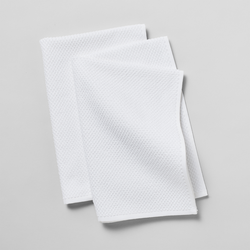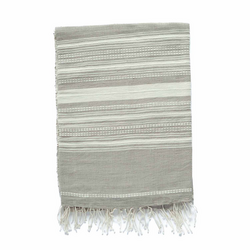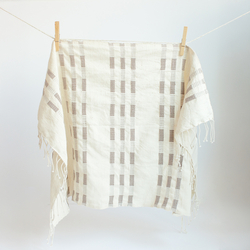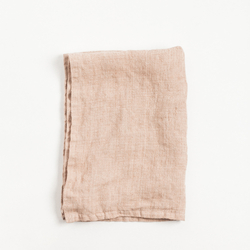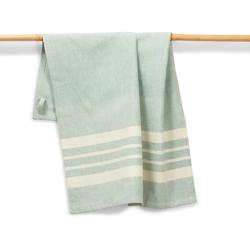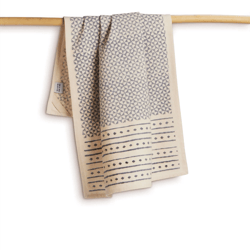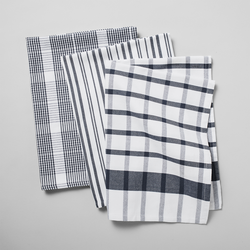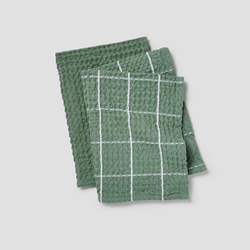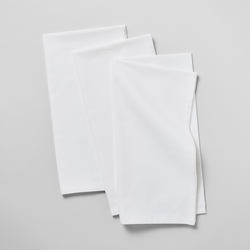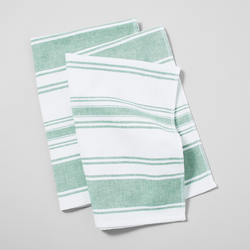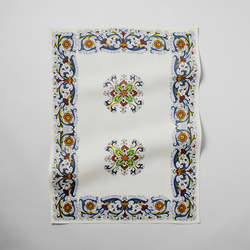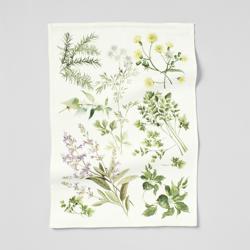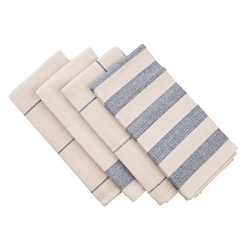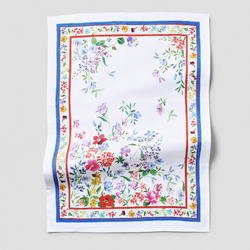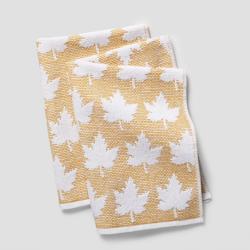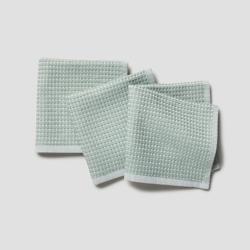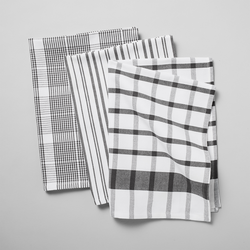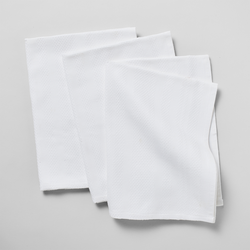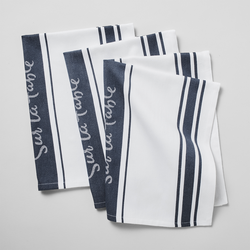
Eco-friendly towels are reusable textiles made with features such as organic fibers, recycled content or durable construction that can support less waste in everyday use. In the kitchen, their usefulness comes down to familiar jobs: drying a stack of dinner plates, wiping water from the counter and keeping hands dry while preparing a meal. A washable towel can replace paper towels for many of these tasks, although its overall environmental impact also depends on how it is produced, how often it is used and how it is laundered. Materials and clearly identified certifications offer more meaningful information than the word “green” alone. Organic cotton is grown under standards that restrict certain agricultural chemicals, while recycled fibers incorporate material recovered from previous use or manufacturing waste. Linen, made from flax, is another option valued for its absorbency and lasting strength, though a fiber name by itself does not establish a finished towel’s environmental benefits. When present, Global Organic Textile Standard certification, often abbreviated GOTS, verifies organic fiber requirements along with processing and social criteria. OEKO-TEX STANDARD 100 certification means a textile has been tested for harmful substances against the standard’s limits; it does not, by itself, mean the towel is organic or sustainably produced. Bamboo-derived towels also deserve a close look at the fiber label, since many are made from viscose or rayon, which involves chemical processing rather than simply weaving raw bamboo fibers. These distinctions help connect environmental preferences with a towel that suits the work at hand. For someone who cooks most nights, that might mean an absorbent cloth that stands up to frequent washing. For a smaller household, it could mean a few versatile towels that handle dishes, hands and light cleanup without filling a drawer. The most useful choice is one that earns its place in the kitchen through repeated use, not just an appealing label.
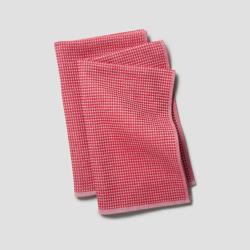
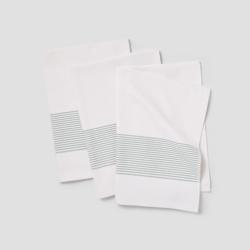
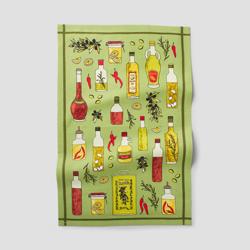
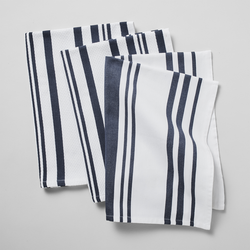
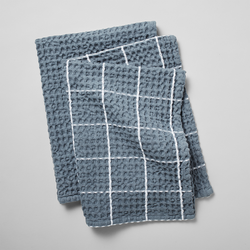
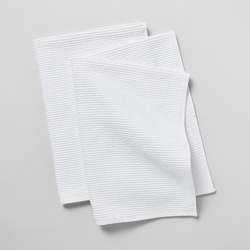
Material, weave and size shape how a kitchen towel feels and performs. Cotton is a familiar choice for softness and absorbency, with different constructions suited to different tasks. Terry loops provide plenty of surface area for soaking up water, making this texture useful near the sink or wherever hands need frequent drying. A flatter, tightly woven towel is generally less bulky and easier to work around the rim of a glass or inside a narrow cup. Smooth, low-lint fabrics are especially helpful for drying glassware, although actual lint performance depends on the fabric and its finish. Waffle weaves combine a textured surface with a relatively lightweight feel, and their drying performance varies with fiber content and thickness. Linen often feels crisp at first and softens with laundering, offering an appealing balance of absorbency and manageable bulk. Blends can bring together different qualities, but their fiber percentages matter when choosing between softness, drying speed and a preference for natural or recycled materials. Recycled polyester still contains synthetic fibers, for example, and can shed microfibers during washing; recycled content is one consideration rather than a guarantee of lower impact in every respect. Beyond the fabric, a towel should fit the space where it will be used. A generous cloth makes drying a large mixing bowl easier, while a smaller towel may sit more neatly beside a compact sink. Folded thickness matters when drawer space is limited, and a hanging loop can help keep a towel off the counter if a suitable hook is nearby. Secure hems, even stitching and fabric that holds its shape through laundering are practical signs to consider when looking for lasting usefulness. Color and pattern have a role, too: distinct designs can help keep a hand towel separate from a dish towel or a cleanup cloth. Coordinating eco-friendly choices with other
Functional Towels makes it easier to give each cloth a clear purpose, whether the kitchen is busy with daily lunches or a leisurely dinner shared with friends.
Care is part of what makes reusable kitchen towels a practical alternative to disposable paper. A small rotation allows a freshly washed cloth to take over while another is in the laundry, so reuse does not depend on keeping the same damp towel in service. Washing before the first use, when directed by the care label, can help remove manufacturing finishes that affect absorbency. Ongoing care should follow the fabric’s instructions, including the recommended washing temperature, drying method and any restrictions on bleach. Fabric softener can leave a coating that reduces absorbency, so it is generally best avoided for towels used to dry dishes or soak up spills. Using the recommended amount of detergent also helps limit residue. Spread towels out between uses rather than leaving them crumpled beside the faucet, and replace them with clean ones whenever they become soiled. Cloths that contact raw meat juices need to be removed from use and laundered appropriately before returning to kitchen tasks; wiping up a spill does not replace cleaning and sanitizing a food preparation surface. Keeping towels for hands, clean dishes and messier jobs separate supports a more orderly routine. Lightweight fabrics may be convenient for households that air-dry laundry, while thicker towels can provide the absorbency some cooks prefer, provided they have room to dry thoroughly. Neither thickness nor softness alone determines durability, and expected shrinkage is worth checking when dimensions matter. Kitchen towels should not substitute for oven mitts or potholders, especially when damp, because they are not designed to protect hands from hot cookware. Their value is in the everyday work they do well: catching drips beneath freshly washed utensils, drying the breakfast dishes and making quick work of water around the sink. That everyday usefulness also makes thoughtfully chosen towels a welcome housewarming or host gift, particularly for someone setting up a first kitchen or trying to reduce disposable household supplies. Easy-care fabrics and colors that suit the recipient’s space keep the gift personal without making it complicated. As towels wear, clean cloths no longer suitable for dishes can sometimes take on non-food cleaning tasks, extending their useful life before disposal. Durable fabric, appropriate care and a job worth repeating give eco-friendly towels their most lasting appeal.