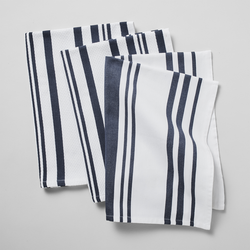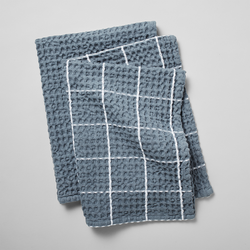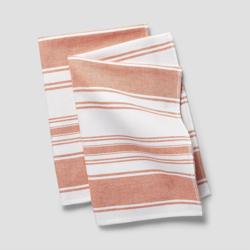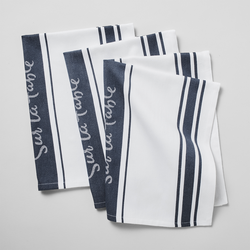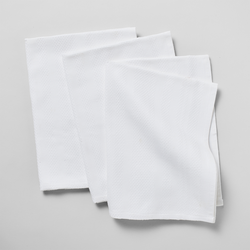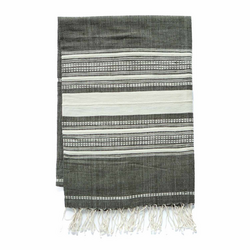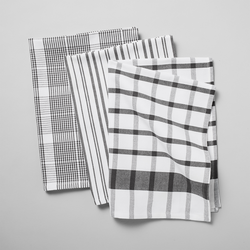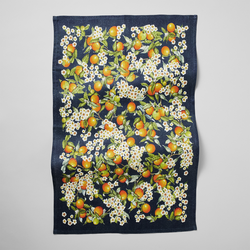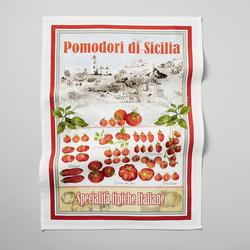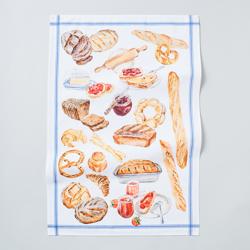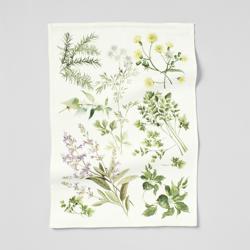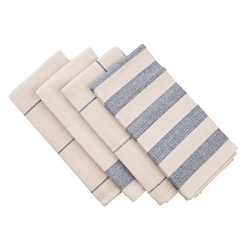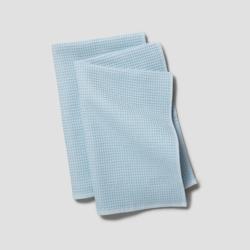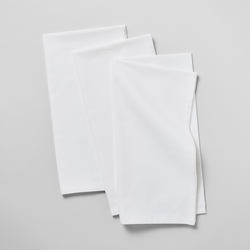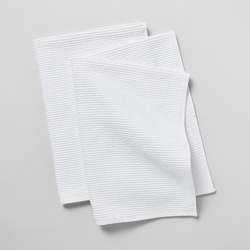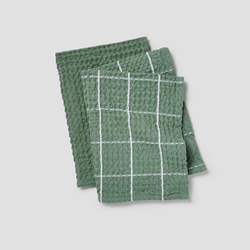
Soft towels bring a comfortable feel to everyday kitchen tasks, from drying hands between rounds of meal prep to putting away freshly washed dishes. The best soft kitchen towels balance a pleasant texture with absorbency, manageable weight and a weave suited to the job. Cotton is a familiar choice because it absorbs moisture and can stand up to frequent laundering, while the construction of the fabric helps determine how the towel feels and performs. Terry cloth has raised loops that provide a cushioned surface and plenty of area to collect water, making it useful beside a busy sink. A waffle weave offers a textured feel without the same bulk, and its lighter construction can help it dry between uses when hung with room for air to circulate. Smooth, flat-woven cotton towels feel different from plush terry but can be comfortable in the hand and easy to fold around a plate or reach inside a drinking glass. Linen has a less cushioned feel and often softens with washing, offering another option for people who prefer a light, supple towel. Fiber quality matters, too: longer cotton fibers generally create smoother yarns with fewer exposed ends, which can help limit fuzz and pilling. Still, fiber content alone does not tell the whole story. Yarn, weave, finishing and care all influence softness over time. A thick towel is not automatically more absorbent or more useful than a thinner one, particularly when the task calls for a flexible cloth that gets into corners. For a kitchen where towels are used throughout the day, it helps to think beyond the first touch. A towel should feel good when drying hands, take up water readily and hang comfortably where it will be used. A little texture can be welcome, especially when it helps the fabric stay secure in wet hands. Softness is most useful when it comes with the practical qualities that make a towel worth reaching for again.
The right fit depends on the work a towel will do and the space it needs to occupy. A generously sized dish towel provides more dry surface for a stack of dinner plates, while a smaller hand towel may sit more neatly beside a compact sink. Check dimensions against the intended towel bar, hook or drawer rather than assuming every kitchen towel is the same size. Folded over a narrow handle, a bulky towel may bunch up and dry slowly; on a hook, a hanging loop can help keep it off the counter. For someone who washes dishes by hand, absorbent cotton with enough body to handle repeated use can be especially helpful. For drying wineglasses or polishing flatware, a smooth, low-lint weave is generally a better match than a fluffy surface that may leave fibers behind. Low lint does not necessarily mean no lint, and washing before use can help remove loose fibers from manufacturing. Home bakers may appreciate a lightweight towel for covering a bowl of resting dough, provided it is clean and reserved for food-related tasks. A dedicated hand towel is useful for anyone moving between chopping vegetables, washing hands and returning to the cutting board. Keep separate towels for hands, clean dishes and wiping surfaces so one cloth does not carry residue from the counter to a freshly washed plate. Use an appropriate cleaning method for spills involving raw meat rather than reaching for the dish-drying towel. Soft kitchen towels can also contribute to the look of the room without becoming purely decorative. A quiet solid color lets the weave stand out, while a stripe or small pattern can complement dishes, wood cutting boards or a favorite apron. For an understated look,
Simple Towels offer a related starting point. Choosing complementary colors for different tasks can make the routine easier to follow, particularly in a shared kitchen. The goal is a towel that suits both the person using it and the daily rhythm of the space, whether that means quick breakfasts for one or a sink full of dishes after dinner with friends.
Lasting softness depends as much on care as on the fabric itself. Follow the care label for washing and drying, since fibers, dyes, decorative borders and stitched details may have different requirements. Washing new towels before their first use helps remove residual finishes and loose lint that can interfere with drying. Use the recommended amount of detergent for the load and avoid adding extra simply because the towels have had a busy day; detergent that does not rinse away thoroughly can leave fabric feeling stiff. Fabric softeners and dryer sheets can coat fibers and reduce absorbency, so they are generally best avoided for towels intended to soak up water. If machine drying is permitted, use the recommended setting and avoid prolonged overdrying, which can be hard on fibers. Shake towels out before hanging or folding to help loosen the fabric and keep edges from staying tightly creased. Between uses, spread a damp towel out rather than leaving it crumpled beside the sink, and allow it to dry fully before storing it. Replace it with a clean towel whenever it becomes soiled, develops an odor or stays wet through repeated tasks. Having enough towels to rotate makes it easier to keep a fresh one within reach without relying on the same damp cloth all day. When considering durability, look for even stitching, secure hems and a weave appropriate to the intended use. Plush loops provide softness but can catch on rough edges, while decorative trim may need gentler handling than a plain hem. A useful towel should remain comfortable and hold its shape through repeated laundering, not simply feel appealing before the first wash. That balance also makes soft towels a thoughtful housewarming, wedding or host gift. They suit first kitchens, experienced home cooks and anyone who enjoys a tidy, welcoming place to prepare food. Choose colors the recipient can easily work into the room and care requirements that fit an everyday routine. Paired with something homemade or given on their own, well-chosen towels offer comfort through the small tasks that happen in nearly every kitchen.