-
(103)
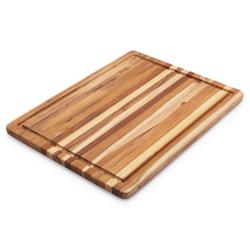
A reversible cutting board made from sustainably grown teak wood with a beautiful natural grain pattern.
-
(4)
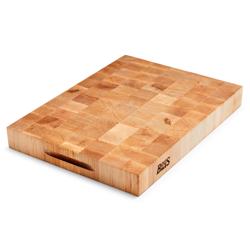
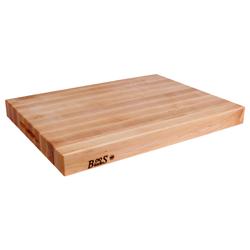
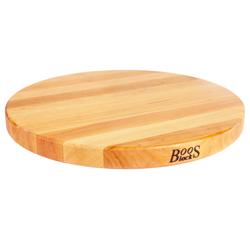
A premium maple cutting board, perfect for home cooks and professional kitchens alike.
-
(23)
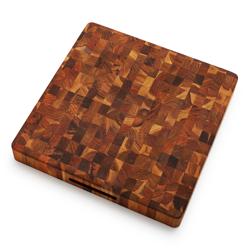
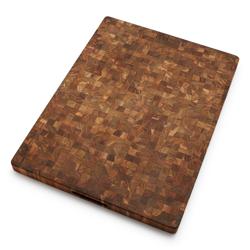
A sustainable, end grain teak cutting board with hand grips for easy transport and knife-friendly construction.
-
(21)
A reversible maple cutting board with grip handles, naturally anti-bacterial and protected with Boos cream finish.
-
(12)
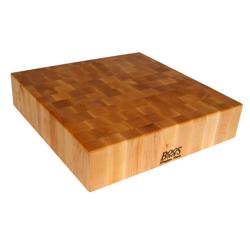
A sturdy, brown cutting board made from hard rock maple, perfect for professional and home use.
-
(6)
A sturdy and reversible maple chopping block with easy grip handles and a protective cream finish.
-
(6)
A reversible cherry cutting board with grip handles and a protective Boos cream finish.
-
(3)
A durable maple cutting board with reversible end-grain construction and a natural oil finish.
-
(3)
A reversible edge-grain maple cutting board with a protective cream finish for easy maintenance.
-
(2)
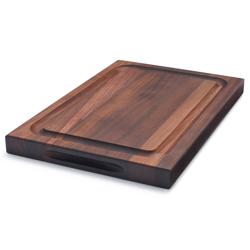
A reversible walnut cutting board with a protective cream finish, perfect for meat and produce.
-
(1)
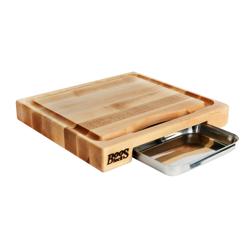
A reversible maple cutting board with a removable stainless steel insert for easy cleanup.
-
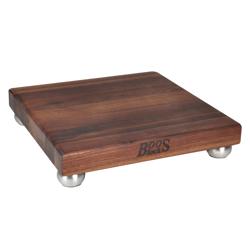
A stunning walnut cutting board with stainless steel feet for stability and a protective cream finish.
-
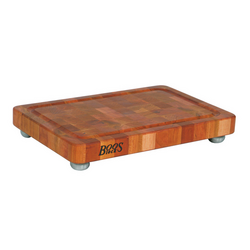
A 1.75"-thick end-grain cutting board with stainless steel feet, deep groove, and protective Boos cream finish.
-
(1)
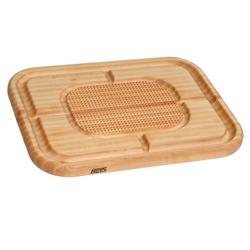
A reversible maple carving board with a pyramid-grooved surface and drip-collecting groove.
-
(1)
A reversible, hand-gripped cutting board made of durable American Maple in a sleek black color.
-
(37)
A reversible teak cutting board made from sustainable wood, perfect for prepping and serving.
-
(18)
A durable, reversible maple cutting board with handgrips for easy handling and prevention of cross-contamination.
-
(1)
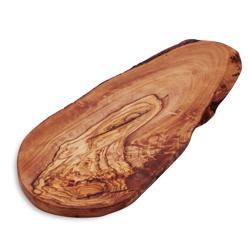
A stunning, professional-grade double cheese board made of durable end-grain larch wood.
Edge-Grain Cutting Board
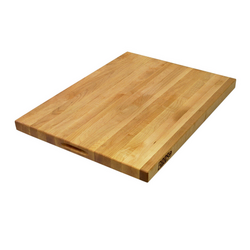
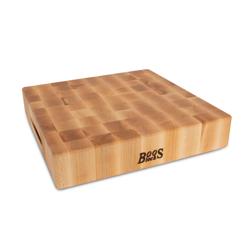
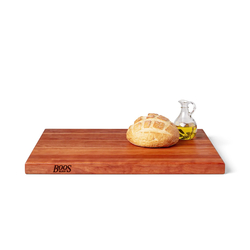
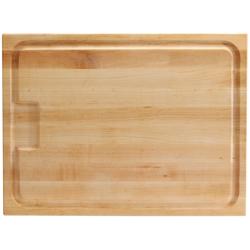
Edge-grain cutting boards are made of wood strips that are joined together, resulting in a durable and stable board. Edge-grain boards are easier to maintain and are less prone to showing knife marks. They are a great choice for home cooks who want a high-quality cutting board. They are a practical and affordable option for those looking for a sturdy and reliable cutting board that will stand the test of time.

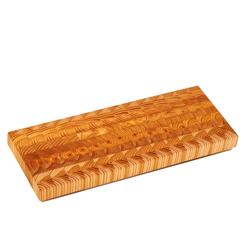
Edge-Grain Cutting Board
FAQ List
An edge-grain cutting board is made by gluing together long, thin strips of wood, creating a durable and sturdy surface for chopping, dicing, and slicing. The unique construction of edge-grain boards means that they are less likely to dull your knives and are less prone to warping or cracking than other types of cutting boards.
Hardwoods like maple and cherry are popular choices for edge-grain cutting boards because they are durable and can withstand heavy use. Other woods like walnut and teak are also great options, but may be more expensive.
To clean your edge-grain cutting board, wash it with warm, soapy water and dry it thoroughly. Avoid soaking the board in water or putting it in the dishwasher, as this can cause warping or cracking. You can also periodically oil the board with food-grade mineral oil to help maintain its appearance and prevent drying or cracking.
Yes, you can use an edge-grain cutting board for meat and poultry. However, it's important to clean the board thoroughly after each use to prevent cross-contamination. You may also want to consider using a separate cutting board for raw meat to reduce the risk of foodborne illness.
Edge-grain cutting boards can be more expensive than other types of cutting boards because of their unique construction and durability. However, there are a range of options available at different price points to fit any budget.
-
"Best cutting board ever"
-
"The best part is chopping vegetables and serving them from the board when company comes over"
-
"I love this board! It is a great size and so so pretty"
-
"Love it"
-
"Love it.easy to cleat and dry it.very pleased very it"