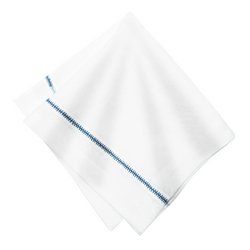
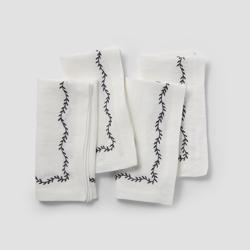
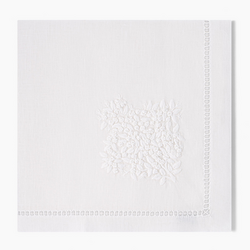
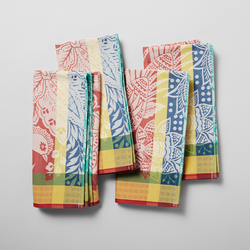
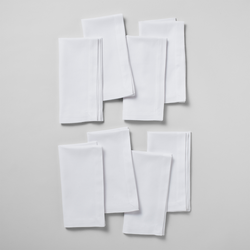
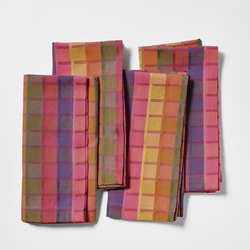
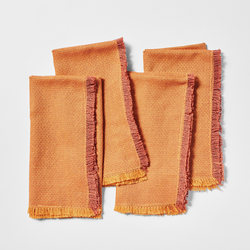
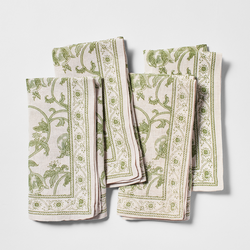
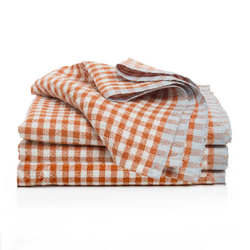
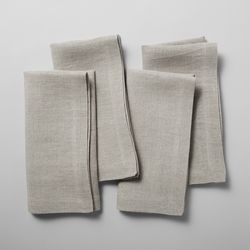
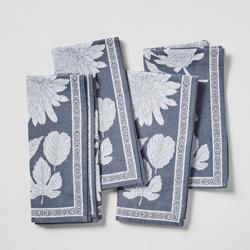
Embroidered linen napkins are reusable cloth napkins decorated with stitched designs, bringing the texture of linen and the detail of embroidery to everyday meals and special occasions. Unlike a printed pattern, embroidery uses thread to create a design on the fabric, giving a border, botanical motif or small accent a slightly raised surface. That distinction is part of the appeal: even a simple place setting gains another layer of texture without needing extra decorations. Linen is made from flax fibers and is valued for its absorbency, strength and naturally relaxed appearance. Small variations in the yarn can lend the cloth character, while its familiar creases keep a carefully arranged table from feeling overly formal. Fabric composition matters, though. Pure linen and linen blends can differ in softness, drape and care requirements, so the fiber label is worth checking rather than assuming every embroidered napkin will feel or wash the same way. A lighter fabric tends to fold softly, while a more substantial weave can give a folded napkin greater body. Neither is automatically better; the right choice depends on the look and feel preferred at the table. Embroidery also changes the character of the cloth. A fine outline adds a quiet detail, while denser stitching creates a more pronounced accent. Consider how much of the napkin is decorated, where the design sits and whether the reverse feels comfortable against hands and laps. Neatly finished hems and secure stitching are useful details to look for, especially when napkins will see frequent washing. Color offers another way to shape the setting. Thread close to the fabric’s color creates subtle texture, while contrasting embroidery makes the design more noticeable against simple dinnerware. For a different decorative effect,
Printed Linen Napkins feature designs applied to the fabric rather than worked into it with stitches. Both approaches bring pattern to the table, but embroidery offers a distinctly tactile finish.
Choosing embroidered linen napkins is as much about how meals happen as how the table looks. For a weeknight dinner, a loosely folded napkin beside a plate can feel welcoming without requiring an elaborate arrangement. For a birthday meal, anniversary dinner or gathering of friends, a more deliberate fold can frame the embroidered detail and help each place setting feel considered. The placement of the stitching makes a practical difference here. A design near one corner is easy to display with a simple fold, while an embroidered border may look best when more of the edge remains visible. Before choosing a folding style, picture where the napkin will sit: across the center of a dinner plate, beneath the flatware or beside a bowl. A bulky fold can crowd a smaller place setting, and a tight napkin ring may hide the detail that drew attention in the first place. Size matters beyond presentation, too. Check the unfolded dimensions to make sure the napkin provides comfortable lap coverage for the intended meal. A generous dinner napkin is useful for a leisurely meal with several courses, while a smaller format may suit a lighter lunch. Embroidery can also help connect different elements of a table. A thread color repeated in a serving bowl or tablecloth creates continuity without requiring everything to match. With patterned dinnerware, a restrained stitched motif gives the eye somewhere to rest; with plain plates, more expressive embroidery can become the focal point. Leave enough space around each setting for glasses, serving dishes and comfortable conversation rather than filling every opening with decoration. These napkins can also make thoughtful housewarming or wedding gifts for someone who enjoys cooking and gathering people around a table. When choosing a gift, consider the recipient’s existing dishes, preferred colors and usual number of guests. A coordinated group that suits the way someone entertains is often more useful than a decorative choice that needs an entirely new table setting around it.
Good care helps embroidered linen napkins remain useful and attractive through repeated meals, but the care label should always come first. The fabric, embroidery thread and any additional trim may have different requirements, so a method suitable for plain linen is not necessarily right for every embroidered design. When machine washing is permitted, a gentle cycle, cool water and mild detergent can help limit stress on the stitching. Wash with similar colors and avoid overloading the machine, which leaves less room for fabric to move freely. Embroidered pieces also benefit from being kept away from exposed zippers, hooks and other surfaces that could catch a thread. Attend to spills promptly by lifting away solids and blotting liquids rather than scrubbing across the embroidery. Before using a stain treatment, check that it is suitable for both the cloth and the decorative thread, and test it in an inconspicuous area when appropriate. Avoid chlorine bleach unless the care instructions specifically permit it; whitening the base fabric is not worth damaging a colored design. Check for remaining stains before drying, since heat can make some marks harder to remove. Follow the recommended drying method, keeping excessive heat in mind as a possible cause of shrinkage or damage. If ironing is allowed, working while the fabric is slightly damp can make creases easier to smooth. Pressing from the reverse with a protective cloth can help preserve the texture of raised embroidery, but the iron setting should suit the most heat-sensitive component. A crisp finish is a preference, not a requirement: softly creased linen looks at home on a relaxed table. Let napkins dry completely before folding and storing them in a clean, dry space. Between uses, check for loose threads rather than pulling or trimming them without inspecting the stitching. With care suited to their construction, embroidered linen napkins can become a familiar part of setting the table, ready for a quick supper or a meal worth lingering over.