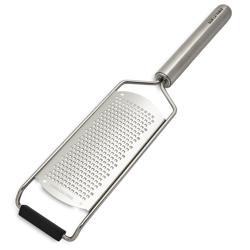
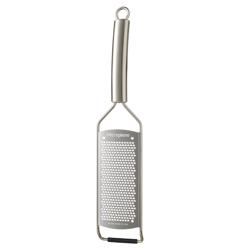
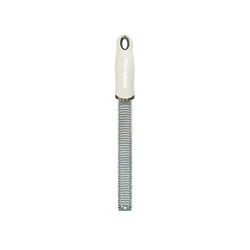
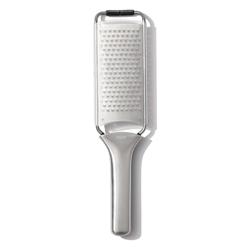
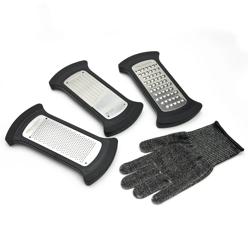
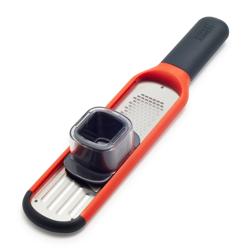
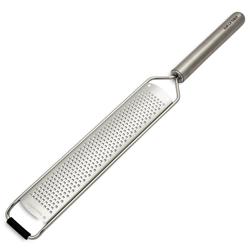
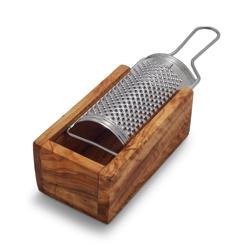
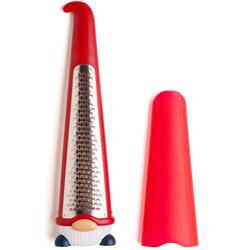
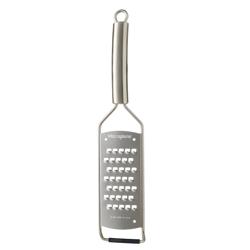
Fine grater tools for brunch recipes turn citrus peel, hard cheese, fresh ginger and whole spices into small, delicate pieces that blend easily into batters, sauces and finishing touches. Their value is in the texture: lemon zest can brighten ricotta pancakes without adding extra liquid, while finely grated Parmesan settles lightly over scrambled eggs instead of weighing them down with thick shreds. A fine grating surface is especially useful when an ingredient needs to distribute evenly through a dish. Orange zest brings fragrance to French toast custard, ginger adds warmth to a fruit dressing and freshly grated nutmeg gives a béchamel-topped breakfast sandwich a rounded, aromatic finish. For cooks who enjoy both sweet and savory brunch dishes, that versatility makes a fine grater a useful part of everyday preparation rather than a tool reserved for one recipe. The size and shape of the teeth influence the result, with some surfaces producing airy wisps and others making smaller, denser particles or a moist pulp. Sharp teeth cut with less pressure, helping preserve the delicate texture of ingredients instead of crushing them against the blade. Citrus benefits from a shallow cut that removes the fragrant colored peel while leaving the bitter white pith behind. Firm, aged cheeses suit fine grating particularly well, yielding a light topping for an omelet, savory waffles or baked eggs. Chocolate can become a delicate dusting over whipped cream, although its firmness and the grating surface affect whether it falls neatly or softens against the blade. These small additions make a difference without requiring a complicated menu. A batch of pancakes, a bowl of yogurt or a platter of avocado toast offers plenty of room for fresh flavor and a thoughtful finish. Fine graters complement other prep tools, too: their strength is zesting, seasoning and finely texturing ingredients, rather than producing the long vegetable shreds needed for many hashes or slaws.
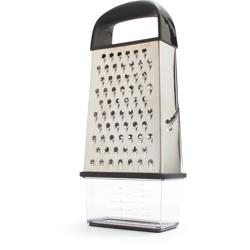
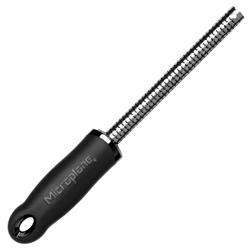
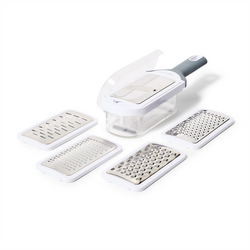
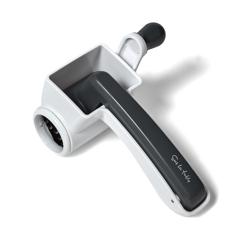
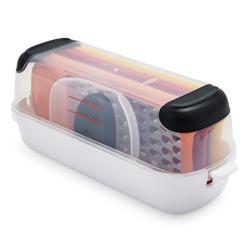
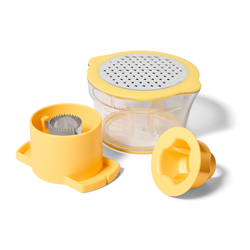
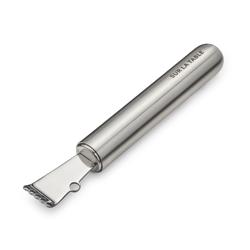
The most useful fine grater for a brunch routine depends on where the grating happens, how much food is being prepared and what feels comfortable in the hand. Long, narrow handheld graters offer reach over mixing bowls and let zest or cheese fall directly into a recipe. A broader flat grating surface provides more working room for a wedge of cheese, while a box grater with a fine face brings several textures together in one tool. That distinction matters for a menu that includes both citrus-scented muffins and shredded potatoes: a fine surface handles the zest, while a coarser face is generally better suited to distinct potato strands. Compact spice graters serve a different purpose, with proportions intended for small, hard ingredients such as whole nutmeg. Not every fine grater is designed for every ingredient, so the stated uses are worth considering alongside blade size. Stainless steel is a practical choice for the grating surface because it resists corrosion and supports sharp cutting edges, though blade construction and care still affect performance over time. Etched teeth can offer a precise, light cut, while the actual texture depends on the tooth pattern rather than the material alone. Handle shape deserves equal attention. A comfortable grip, balanced weight and enough clearance for the knuckles make repeated motions easier to control, especially when preparing food for several guests. Nonslip feet or a supported edge can help steady a grater against an appropriate work surface, depending on its design. For cooks who prefer to measure ingredients before adding them, a collection compartment can help contain loose gratings; for finishing individual plates, an open handheld format may feel more direct. Storage fit also matters in a busy kitchen. A slim profile takes up less drawer space, while a protective cover helps shield both the cutting surface and hands reaching into the drawer. The right fit comes from matching these details to familiar recipes and preparation habits, not simply choosing the largest grating area.
Care and handling help a fine grater remain a dependable brunch companion. Small teeth and closely spaced openings can hold onto citrus peel, cheese and ginger fibers, making easy access for cleaning an important consideration. Dishwasher-safe construction can simplify cleanup, but care requirements vary by tool, particularly when handles, covers or collection pieces use different materials. Following the manufacturer’s instructions is the best approach, whether that means using the dishwasher or choosing to hand-wash. A prompt rinse helps keep food from drying in the openings, and a suitable brush can loosen trapped particles without bringing fingertips against the teeth. Thorough drying before storage helps protect the tool, while a fitted blade cover keeps the sharp surface from rubbing against neighboring utensils. Durability also depends on using the grater for ingredients it is designed to handle and avoiding excessive pressure when a piece becomes too small to hold securely. A compatible food holder can offer added control where the design allows one. Those everyday details are particularly useful for frequent hosts, small-kitchen cooks and anyone who likes tools that earn their drawer space across several meals. Beyond brunch, the same fine texture is welcome in salad dressings, pasta toppings and baking, giving a well-chosen grater a role throughout the kitchen. As a gift, it suits someone who enjoys baking citrus cakes, experimenting with savory breakfasts or adding fresh finishing touches to simple food. It can also be a thoughtful addition to a housewarming gift centered on practical prep essentials. For entertaining, preparation and presentation work together: zest can go into the batter before guests arrive, cheese can finish the eggs just before serving and
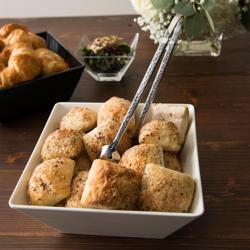
Brunch Serving Tools can help carry the meal from kitchen to table. Whether brunch means breakfast for two or a generous spread for friends, a fine grater supports the small, purposeful details that make familiar recipes taste more complete. Its appeal is straightforward: fresh ingredients, a texture suited to the dish and useful control over the final touch.