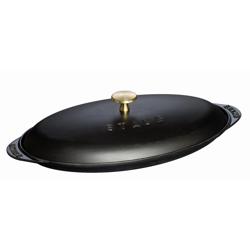
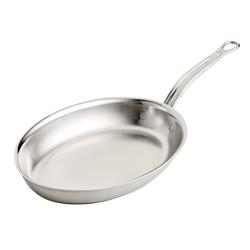
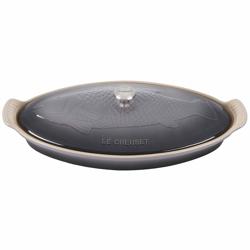
Fish-inspired products bring a relaxed, welcoming character to the kitchen and table, with designs that range from softly drawn silhouettes to colorful illustrations full of movement. The appeal is in the details: a curved outline, a pattern of delicate scales or a row of little fish that adds personality without taking over the room. Fish-themed dinnerware, kitchen textiles and serving pieces can suggest a favorite fishing spot, a memorable meal by the water or simply an appreciation for playful design. They do not need an entirely nautical setting to feel at home. Blue and white patterns sit comfortably alongside plain white dinnerware, natural wood and clear glass, while brighter designs can lend color to a simple table. Soft neutrals and understated fish motifs suit spaces where the decorative touches are quiet; bolder illustrations make an appealing focal point against solid linens. The scale of a pattern matters as much as its color. Small, repeating fish designs tend to blend into an everyday setting, while a large silhouette gives a single serving piece more presence. A mix of patterns can feel cohesive when they share a background color or a similar drawing style, without requiring every piece to match. For a table that already includes patterned dinnerware, one fish-inspired accent may be enough. In a more pared-back setting, several coordinated elements can carry the theme without adding much else. These designs also work beyond meals centered on seafood. A fish motif can be part of an ordinary breakfast, a casual lunch or an evening gathering, bringing a little visual interest to familiar routines. For anyone who enjoys setting a thoughtful table but prefers useful pieces to purely decorative objects, the combination of recognizable shapes and everyday function has lasting appeal. The strongest choices feel connected to the way the space is used, whether that means easygoing family meals or a few distinctive pieces brought out when friends come over.
Materials and construction help determine how fish-inspired pieces fit into those routines. Ceramic brings color, texture and a satisfying sense of substance to the table, though weight, thickness and finish vary considerably. Stoneware often has a substantial feel, while porcelain can offer a finer profile; neither material alone tells the whole story about durability or care. A smooth glazed surface is generally easier to wipe clean than deep relief work, where sauces or crumbs may collect around decorative details. Raised scales, shaped tails and sculpted edges add character, but they also affect how comfortably pieces stack and how easily they fit into a cabinet. For serving pieces, the usable interior matters as much as the overall dimensions. A long fish-shaped outline may include a narrow tail or decorative rim that contributes to the design without adding much room for food. A broader center and a gently raised edge are practical details when carrying a dish from the kitchen to the table. Glass offers a different effect, allowing the shape or pattern to stand out without adding much visual weight, while wood brings warmth and natural variation. With any material, suitability for direct food contact, heat exposure and dishwasher use depends on the individual piece and its care instructions. Decorative finishes should not be assumed to be microwave safe or oven safe. Kitchen textiles bring the theme into daily use in another way. Cotton can offer an absorbent, easygoing feel, while linen has a distinctive texture and relaxed drape; weave, construction and laundering requirements influence how either performs. For textiles worn while cooking, comfortable coverage and adjustable ties can matter more than decorative detail. For the table, dimensions should account for the surface being covered and the amount of overhang preferred. Durable hems, well-finished edges and clearly stated care requirements are useful qualities across the assortment. Pieces that are comfortable to handle, straightforward to clean and easy to store are more likely to become part of everyday life rather than remain tucked away.
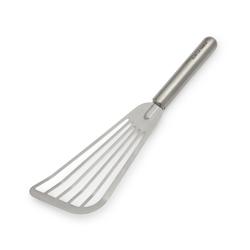
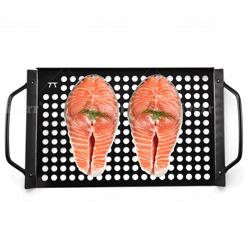
Fish-inspired kitchen and tabletop pieces are especially appealing for people who enjoy a connection between what is served and how the table looks. A casually arranged meal can feel considered when the serving pieces echo the menu, but the connection can stay subtle. A simple fish motif beside plain dinnerware leaves room for the food itself to provide color and texture. For gatherings where seafood is on the menu, decorative pieces and practical equipment serve different purposes: the former set the scene, while
Seafood Tools support the preparation and enjoyment of the meal. Keeping both function and presentation in mind helps create a table that feels inviting rather than overly arranged. Serving surfaces need enough room for the food, utensils need space beside each setting and decorative details should not make passing dishes awkward. A piece that looks appealing on an open shelf becomes even more useful when its proportions work at the table. That balance also makes fish-inspired designs thoughtful gifts. Someone who loves fishing may appreciate a recognizable fish illustration, while a frequent host might be drawn to a more understated shape that works with existing dinnerware. For a housewarming or wedding gift, a versatile color palette and manageable size can make a distinctive design easier to incorporate into a new home. Compact kitchens benefit from pieces that store neatly or serve more than one purpose, while a recipient who enjoys displaying favorite objects may welcome a sculptural detail. Familiarity with the recipient’s habits helps: someone who prefers dishwasher cleanup may value easy-care construction, while a person who enjoys the character of natural materials may be comfortable with hand-washing. The best fit is not necessarily a fully coordinated collection. Often, one well-chosen design becomes a familiar part of the kitchen, appreciated as much for how it works as for the fish that give it character.