-
(7)
A smartly designed stainless steel tool that peels, deveins, and butterflies shrimp in one swift motion.
Pros: effective, efficiency, multifunctional
-
(5)
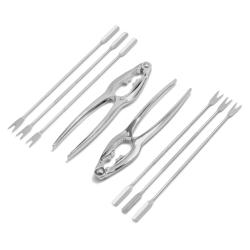
A silver seafood kit with crackers and picks for efficiently cracking and scooping meat from crustaceans.
Pros: love it, good price, variety
-
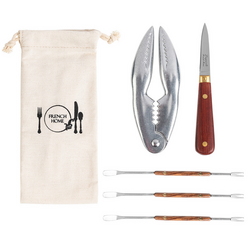
A 6-piece seafood utensil set with brass details and natural wood handles for elegant and easy seafood feasting.
-
(1)
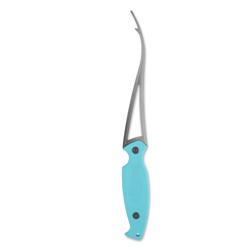
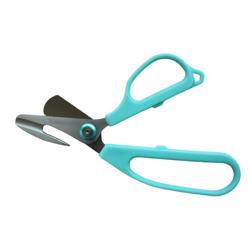
A turquoise and green stainless steel seafood shear with a reverse-cut design for effortless shell opening.
Pros: better than fred hand held from seafood places, works well
-
(3)
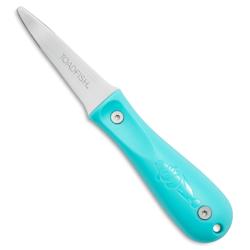
A blue stainless steel oyster knife that effortlessly opens shells, while supporting coastal preservation.
Seafood Tools
If you're looking to buy a new seafood tool, you've come to the right place. These tools can be used to make the process of preparing and cooking seafood easier, faster, and more enjoyable. They are designed to make the processes of filleting and deboning fish, shucking oysters, and peeling shrimp more efficient. Here are some great options.
Seafood Tools
FAQ List
Seafood tools are specialized kitchen utensils used for preparing and serving seafood dishes. They can include items such as crab crackers, lobster picks, oyster knives, and shrimp deveiners.
Seafood tools are useful for anyone who enjoys preparing and eating seafood dishes. They can be especially helpful for home cooks and professional chefs who frequently work with seafood.
Yes, seafood tools are designed to be easy to use. However, some tools may require a bit of practice to use effectively, such as an oyster knife or crab cracker.
When shopping for seafood tools, consider the types of seafood you most commonly prepare and the specific tasks you need tools for. Additionally, look for high-quality, durable tools that will last for years to come.
Yes, seafood tools make great gifts for the seafood lovers in your life. They can be given on their own or as part of a larger gift basket filled with other kitchen essentials.
-
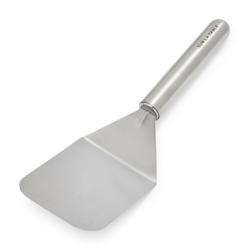
"Best spatula ever for my stainless steel skillets"
-
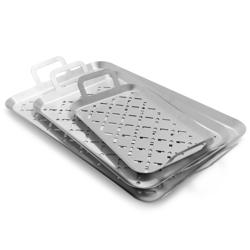
"The stuffed burgers are the best on it. I use brillow pads to clean them"
-
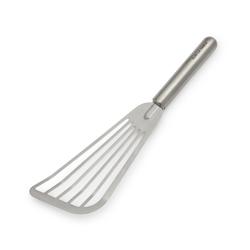
"Love it. Great for all types of fish"
-
"I love it and am wondering if should get another. I use this almost everyday"
-
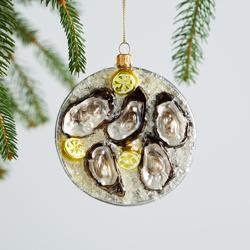
"I love this beautifully crafted ornament as I love oysters from MDI in Maine that are also beautiful"