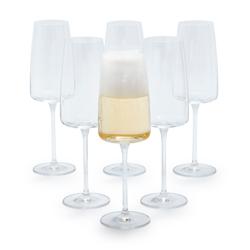
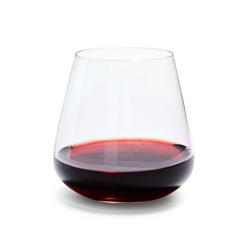
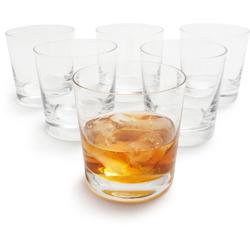
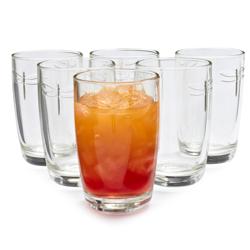
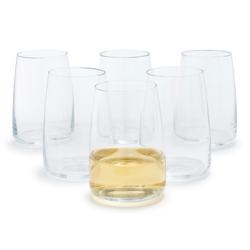
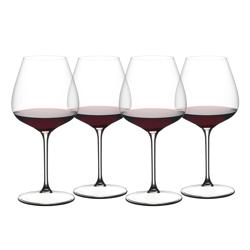
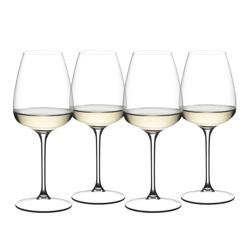
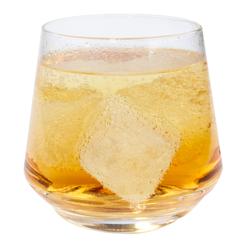
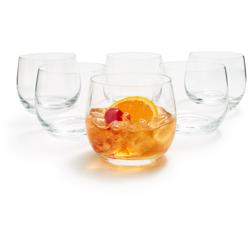
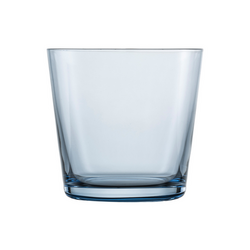
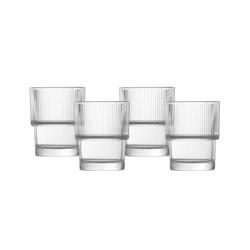
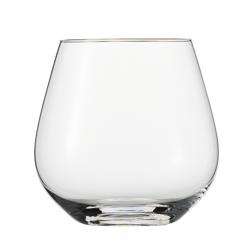
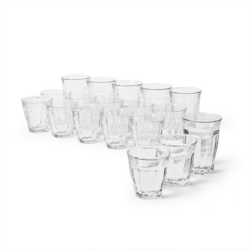
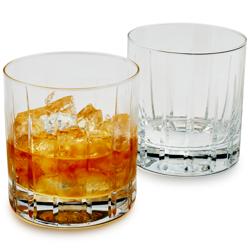
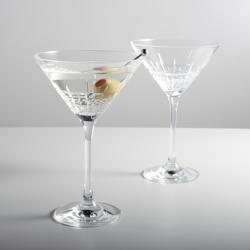
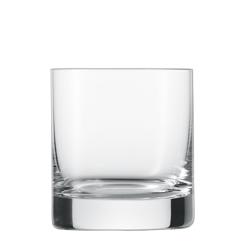
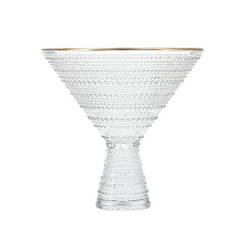
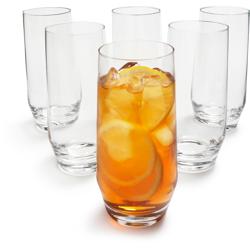
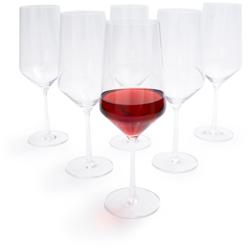
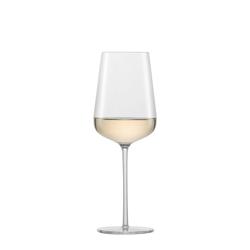
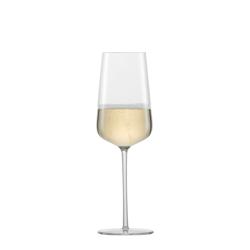
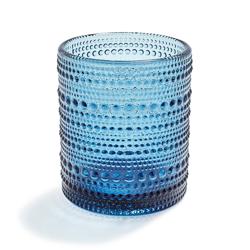
Flat bottom glasses are drinking glasses with a level resting surface that sits securely on a table or countertop. Often associated with stemless tumblers, they offer a practical shape for everyday water, juice, wine and cocktails, with styles that feel equally comfortable at breakfast and around a dinner table. Their appeal starts with that grounded design: a broad base and a low center of gravity can help a glass resist tipping, although stability also depends on its height, weight and proportions. A flat bottom alone does not make a glass tip-proof, and it does not determine how well a drink releases its aromas. For wine or spirits, the shape of the bowl and the size of the opening matter more than the underside of the glass. What flat bottom drinkware does offer is an easygoing way to serve a range of beverages without relying on a delicate stem. Picture a short glass of sparkling water beside a bowl of soup, a splash of juice at a crowded breakfast table or a cocktail resting on a coaster while dinner finishes in the oven. The same simple silhouette can suit all three settings. Clear glass lets the drink contribute to the table, whether that means the pale gold of cider or a twist of citrus above a few ice cubes. Color and texture bring a different kind of character, adding interest to open shelves or helping a casual place setting feel more considered. If you prefer clean lines and uncomplicated shapes, flat bottom styles also fit naturally alongside
Modern Glasses. The best choice is not necessarily the most decorative or the heaviest. It is the glass that feels comfortable in your hand, holds the amount you like to pour and works with the meals and small gatherings that fill your week. A useful starting point is to think about the drink you reach for most often, then choose proportions that make serving it feel effortless.
When comparing flat bottom glasses, pay attention to capacity, height and the shape of the opening as well as appearance. A listed capacity generally describes how much a glass holds when full, not the amount you would comfortably serve. Leave room for ice, garnishes and the simple act of carrying a drink from the kitchen to the table. Shorter, wider glasses can accommodate a large ice cube and give stirred cocktails or small pours of spirits a comfortable setting. Taller shapes provide more space for ice and mixers, while a medium-size tumbler can be a useful everyday option for water and other cold drinks. For casual wine service, a rounded bowl with a slightly narrower opening gives you room to swirl a modest pour; the flat base itself is not an aeration feature. Holding a stemless glass by the bowl also transfers warmth from your hand, something to keep in mind if you enjoy wine well chilled. Consider the rim, too. A finer rim can feel light against the lips, while a thicker one may feel more substantial. Neither quality tells the whole story about durability, so look to the product’s material and care information rather than judging strength by weight alone. Glass and crystal compositions vary, and features such as tempering or dishwasher compatibility should be confirmed for each design. Texture deserves a closer look if grip matters to you: a gently ribbed surface may feel easier to hold, but a very wide glass can still be awkward for smaller hands. Storage is another everyday consideration that is easy to overlook. Check that taller glasses fit beneath your cabinet shelves and that wider bases leave enough room for the number you need. Only stack glasses when they are designed for it. A shape that looks compact on its own may take up more shelf or dishwasher space than expected, especially when you are buying enough for family meals and guests.
Flat bottom glassware makes sense for anyone who wants the table to feel welcoming without being overly formal. A coordinated set brings consistency to shared meals, while a few complementary shapes let you serve different drinks without making the cabinet feel crowded. For a smaller household, versatile glasses that move from morning juice to evening sparkling water may earn their space more readily than several highly specialized styles. Frequent hosts might prefer enough matching glasses for every place setting, plus a few extras for second drinks or unexpected company. Think of the familiar moment when guests gather in the kitchen before the meal: glasses are being filled, someone is slicing a lemon and the countertop is already busy with serving dishes. Comfortable proportions and a secure resting surface are useful details in that setting. During the cooler months, these glasses can sit naturally beside hearty dinners, appetizers and relaxed weekend lunches, with chilled cider, water or alcohol-free cocktails keeping the drinks service simple. Do not assume that a substantial-looking glass is suitable for hot beverages; use it for hot drinks only when the manufacturer specifically says it is designed for them. As a gift, a thoughtfully chosen set can be especially useful for someone setting up a first kitchen, moving into a new home or replacing a cupboard of mismatched drinkware. Let the recipient’s habits lead the choice. Someone who enjoys a quiet evening cocktail may appreciate a different shape from someone who regularly hosts a full dinner table. Neutral designs are easy to pair with existing dinnerware, while subtle color or surface detail can make a practical gift feel personal. Before buying, check the set quantity and care instructions so the glasses suit both the household and its cleanup routine. Dishwasher-safe options may simplify daily use, while designs requiring hand-washing call for a little more attention. With the right balance of comfort, capacity and care, flat bottom glasses become the pieces you reach for almost without thinking, as welcome beside a quick lunch as they are at a table set for company.