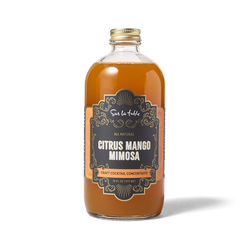
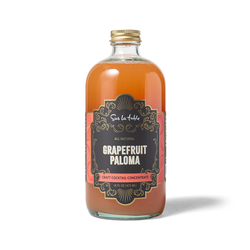
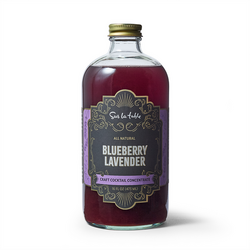
Flavored drinks are beverages with added or naturally occurring flavors, including fruit waters, juices, teas, coffee drinks and beverages made with syrups, concentrates or powdered mixes. They can be still or sparkling, sweetened or unsweetened, ready to pour or prepared with a separate liquid base. That variety makes the category useful for everything from a familiar morning coffee to a fruit-forward drink served alongside dinner. The best fit depends on the flavor, sweetness and preparation style a person enjoys, rather than a single definition of what a flavored beverage should be. Citrus tends to bring a bright, tart character, while berry and stone fruit flavors can range from delicate to richly sweet. Ginger adds a sharper edge, floral notes contribute aroma and flavors such as vanilla or caramel lend a rounded character to coffee and milk-based drinks. Texture matters, too: bubbles give a drink a different feel from smooth juice or a creamy latte, even when the main flavor is similar. Ready-to-drink formats suit packed lunches, quick breaks and occasions when convenience matters most. Concentrates and drink mixes allow more flexibility in serving size and flavor intensity, provided they are prepared according to the label. Beverage syrups offer another way to customize a familiar base, whether that means adding a little fruit flavor to sparkling water or a sweeter note to brewed coffee. Cocktail mixers serve a related purpose, supplying part of a drink’s flavor without necessarily containing alcohol themselves. Many can also form the base of a nonalcoholic drink, although ingredients and preparation directions vary. For households with different preferences, the distinction between a finished beverage and a flavoring ingredient is particularly helpful: one is ready to enjoy, while the other needs a compatible base and a little preparation. Neither format is inherently better; each suits a different routine, from keeping an individual serving close at hand to preparing several drinks for a shared meal.
Ingredients and serving information help distinguish flavored drinks that may look similar at first glance. Fruit flavor does not necessarily mean a beverage contains juice, and a drink made with juice is not necessarily unsweetened. Some beverages rely on sugar, others use alternative sweeteners and some have no added sweetening ingredients. Sweeteners can also affect the finish of a drink, so taste preferences matter alongside dietary needs. The nutrition label and ingredient list provide a clearer comparison than flavor names alone, especially when the listed serving size differs from the amount a person plans to pour. Concentrated formats deserve particular attention because the information may refer to the concentrate or to the beverage prepared as directed. Caffeine is another useful distinction for coffee, tea and certain other flavored beverages, particularly when choosing something for children or for someone who limits caffeine. Drinks described as functional may contain added fiber, vitamins or other ingredients, but the label—not the category name—identifies what is actually included. Allergen statements are important for milk-based preparations and flavorings, and anyone avoiding alcohol should check both finished drinks and concentrated ingredients. Packaging deserves the same practical attention as flavor. A compact container may fit comfortably on a refrigerator shelf, while a larger format may make more sense for frequent use or shared servings. Glass is rigid and often makes it easy to see the contents, but it is heavier and breakable; other packaging materials may be more convenient to carry. A secure closure and an easy-to-control opening help make repeated pouring less messy. Storage and care depend on the formulation, so follow directions for refrigeration, resealing and use after opening rather than assuming all syrups, juices or mixes behave alike. Keeping the opening clean and using clean utensils when needed helps protect the contents. For drink mixes, packaging that closes securely is especially useful for limiting exposure to moisture between uses.
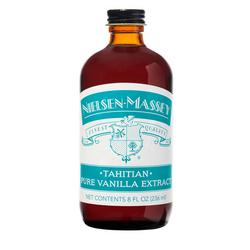
Flavored drinks also offer room for personal taste without making every serving a separate project. A household that enjoys sparkling water may prefer a flavoring that mixes easily into a carbonated base, while a coffee enthusiast may care more about how a flavor works with espresso and milk. Ingredients intended for beverages are useful here because not every flavoring dissolves readily in every liquid. Some mixes need stirring, shaking or a particular preparation method to achieve the intended texture. Concentrated flavorings also differ in sweetness and strength; a syrup and an extract should not be treated as interchangeable measures. For additional concentrated flavor options,
Flavored Extracts offer another category to consider, with beverage suitability and usage directions checked on the individual label. A small amount of a suitable extract can contribute aroma, but it does not necessarily provide the sweetness or body of a beverage syrup. When choosing drinks for a meal, the food provides a useful point of reference. A tart citrus profile can offer contrast alongside rich dishes, while a gently flavored tea may leave more room for delicate food flavors. For a gathering, clearly distinguishing sweetened, unsweetened and caffeinated choices helps guests select what suits them. Nonalcoholic drinks deserve the same attention to flavor and presentation as cocktails, whether served with appetizers or as an alternative at the dinner table. Flavored beverage ingredients can also make thoughtful gifts for someone whose preferences are familiar: a coffee drinker, a tea enthusiast or a host who enjoys mixing drinks for friends. The most useful choice fits the recipient’s habits, equipment and dietary needs rather than simply offering an unusual flavor. Consider whether they enjoy the convenience of a finished drink or the flexibility of preparing their own. That connection to everyday use is what makes a flavored drink a welcome addition to a kitchen, a shared table or a well-chosen gift.