Fruit-flavored drinks are beverages that get their fruit taste from juice, purée, extracts or other flavorings. They include ready-to-drink beverages as well as drinks prepared with fruit syrups, concentrates and powdered mixes. Each format offers a different balance of convenience, flavor and flexibility, whether the occasion calls for a single glass with lunch or a pitcher to share over dinner. Ready-to-drink formats keep preparation simple, while concentrated options give you more control over the finished drink’s intensity. A fruit syrup can bring a rounded sweetness to sparkling water, while a juice-based mixer may contribute acidity, color and a fuller fruit character. Powdered mixes are compact and easy to portion according to their package directions, making them useful when storage space matters. Flavor is another point of difference. Lemon, lime and grapefruit tend to deliver a bright, tart impression; peach and pear bring softer notes; mango and passion fruit can taste rich and aromatic. Berry flavors range from the gentle sweetness of strawberry to the sharper character of raspberry or black currant. Blends combine those qualities, pairing a mellow fruit with something tangy for a drink that feels balanced rather than simply sweet. Texture matters, too. A clear fruit-flavored beverage has a different feel from one made with pulp or purée, especially when served alongside food. Carbonation adds another dimension, creating a lively finish that can contrast with a rich meal or a salty snack. Still drinks offer a gentler alternative for anyone who prefers a beverage without bubbles. For households with different tastes, a flexible fruit base makes it possible to prepare a lighter pour for one person and a more pronounced fruit flavor for another. The best fit depends less on how elaborate the drink sounds and more on how naturally it fits into everyday meals, relaxed gatherings and the flavors you already enjoy.
Ingredient lists help distinguish fruit-flavored drinks that may look similar in the glass. A beverage described as fruit-flavored is not necessarily pure fruit juice, and its sweetness may come from fruit, added sugar, alternative sweeteners or a combination of sources. Juice content, serving size and preparation directions give a clearer picture than color alone. A deep red drink is not automatically more fruit-forward than a pale one, just as a thick concentrate is not necessarily intended to be poured generously. For concentrates and mixes, nutrition information may refer to the product before or after preparation, so the stated serving instructions deserve attention. Drinks made without added sugar may still contain naturally occurring sugars from juice, while sugar-free options can have a distinct sweetness and finish depending on the sweetener used. These details are useful when choosing beverages for a shared household or accommodating personal preferences. Packaging also affects how comfortably a drink fits into your routine. A compact bottle may tuck neatly beside condiments, while a larger container needs enough shelf space and clearance to pour without awkward lifting. Glass packaging has a substantial feel but needs protection from knocks; lightweight plastic can be easier to handle, though care and reuse instructions vary. A secure closure helps prevent spills and protects the contents between servings. Larger formats make sense for frequent use or entertaining, while smaller quantities may better suit occasional mixing and tasting. Storage requirements depend on the formulation and packaging, not simply on whether a drink contains fruit. Follow the label for refrigeration, use after opening and any shaking or stirring needed to redistribute settled ingredients. Keep measuring utensils clean and avoid returning unused portions to the original container. Those habits help preserve the drink’s intended quality without relying on a one-size-fits-all shelf-life rule. For powdered formats, a dry scoop and a tightly closed package help keep moisture from affecting the mix.
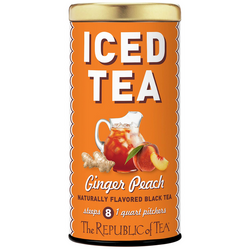
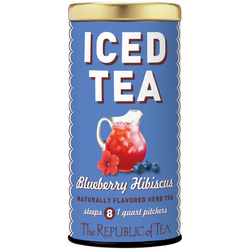
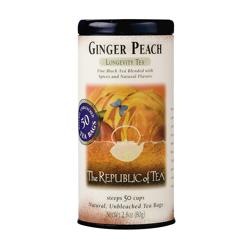
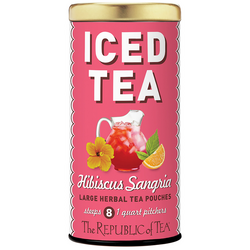
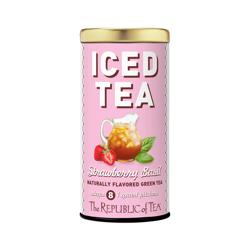
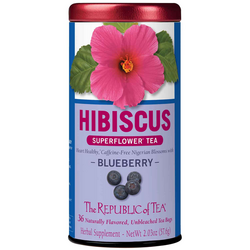
Fruit-flavored drinks can suit much more than a stand-alone refreshment. Their range of tartness, sweetness and aroma makes them useful companions to food, from a citrus-forward drink beside a savory egg dish to a berry blend with a simple cheese board. A peach or pear note can complement delicate pastries without adding the sharper edge of citrus, while tropical fruit flavors bring a distinct character to a casual brunch spread. For tea-based drinks,
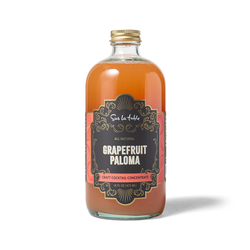
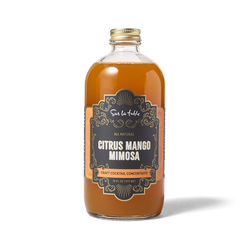
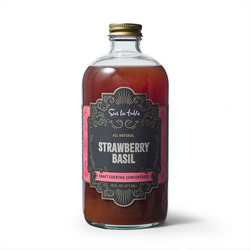
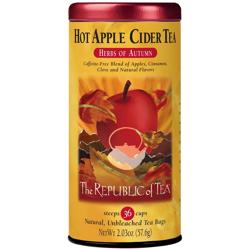
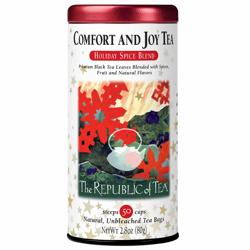
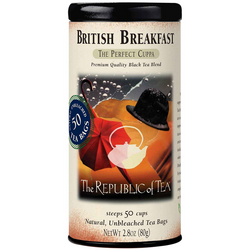
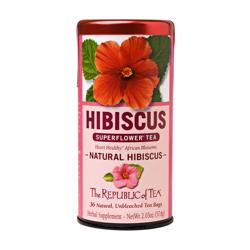
Flavored Teas offer another way to explore aromatic blends, including combinations that complement fruit mixers. The tea’s character still matters: a robust black tea can stand up to a pronounced fruit flavor, while a more delicate infusion may call for a lighter touch. Fruit mixers also have a place in both cocktails and alcohol-free drinks, making them useful for hosts who want to offer choices without creating entirely separate beverage menus. A clearly labeled fruit base lets guests understand what they are pouring, especially when sweeteners, caffeine or alcohol are relevant to their preferences. When serving a group, keeping a sparkling component separate until pouring helps retain its bubbles, while a still fruit drink can be prepared according to its directions in a pitcher. Food-safe glass or stainless steel serving vessels are practical choices for many acidic beverages; any decorative container should be intended for beverage use. Fruit-flavored drinks and mixers can also make thoughtful gifts for a brunch host, an enthusiastic home bartender or someone who enjoys an afternoon drink-making ritual. Flavor preferences are more helpful than elaborate presentation when choosing a gift: familiar citrus, a favorite berry or an interest in tropical flavors gives the selection a personal connection. Clear preparation instructions and manageable package sizes make the gift easier to enjoy. Whether poured straight from the container or mixed to taste, a well-chosen fruit drink brings another appealing option to the table without requiring a complicated setup.