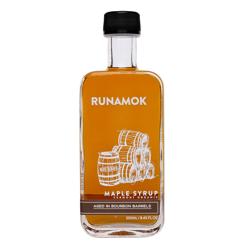
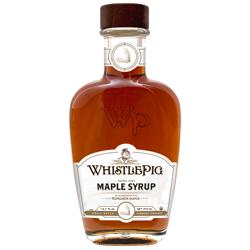
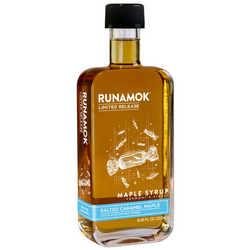
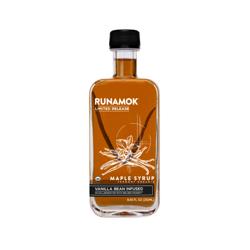
Flavored maple syrups bring a new layer of character to a familiar kitchen staple, pairing maple’s rounded sweetness with notes that can feel bright, warming, floral or smoky. Maple syrup begins as sap that is concentrated to develop its distinctive flavor, which can suggest caramel, toffee and toasted sugar. Infusions and other flavoring methods build on that foundation rather than simply making it sweeter. The result can be a finishing drizzle for breakfast, a balancing ingredient for savory cooking or an easy way to add depth to a drink. When choosing among flavored maple syrups, consider both the maple character and the added flavor: a delicate infusion may suit yogurt and fruit, while a more pronounced spice or smoky note can hold its own alongside roasted vegetables or grilled foods. The ingredient list helps clarify whether a syrup gets its character from spices, extracts or other additions, while the description may explain techniques such as barrel aging. These differences matter because two syrups with similar flavor descriptions can behave quite differently at the table. One may offer a gentle aroma that stays in the background; another may become the defining flavor of the dish. Think about the foods already in your routine, whether that means oatmeal before work, pancakes for a leisurely breakfast or a bowl of plain yogurt with toasted nuts. A syrup that complements those familiar meals is likely to earn a regular place in the refrigerator. For households with different tastes, a versatile flavor profile can be easier to share than an assertive one. More adventurous cooks may prefer something distinctive enough to inspire a new glaze, dressing or dessert pairing. Neither approach requires elaborate cooking. Even a small drizzle over buttered toast can make the flavor differences clear, especially when the bread is crisp at the edges and the butter has just begun to melt. That combination of familiar sweetness and added complexity gives flavored maple syrup a role well beyond the pancake plate.
At breakfast, flavored maple syrup works especially well with foods that offer contrast: tangy yogurt, nutty whole-grain waffles, creamy oatmeal or French toast with a browned crust. A little can carry through an entire serving, so it helps to taste before adding more, particularly when the syrup has a pronounced infusion. Fruit offers another useful pairing. Tart berries, sliced pears and baked apples each bring their own sweetness and acidity, allowing the maple flavor to stand out without needing a complicated topping. In baking, flavored syrup can complement nuts, oats and butter, but it is not always a direct substitute for granulated sugar. Because it adds liquid as well as sweetness, a recipe developed for maple syrup is a more dependable starting point for cakes, cookies and quick breads. For a simpler use, spoon it over a finished dessert, brush it lightly onto a loaf cake or swirl it into whipped cream. Savory cooking gives these syrups another purpose. Maple’s sweetness can soften the sharpness of mustard or vinegar in a dressing, while a distinctive infusion can add interest to a glaze for carrots, squash, tofu or pork. Adding a sugary glaze near the end of cooking helps limit scorching and preserves more control over browning. A syrup with a strong flavor is often most useful as an accent rather than the main component of a sauce. Drinks offer similar flexibility: a small amount can sweeten coffee, tea or a mixed drink while contributing more flavor than plain sugar. It blends most easily when stirred thoroughly, especially in cold drinks. Consider what the drink already contains before choosing an infusion; a delicate tea and a bold coffee call for different levels of intensity. For entertaining, serving syrup separately lets guests choose how much sweetness they want and keeps crisp foods from becoming saturated before they reach the table.
Choosing flavored maple syrup also means considering bottle size, packaging and storage, especially if it will be used occasionally rather than every morning. A smaller bottle can make sense for a distinctive flavor intended for finishing desserts or mixing drinks, while a larger size may fit a household that regularly serves pancakes or uses maple syrup in cooking. Check the stated capacity rather than judging by the bottle’s shape, and consider whether the container will fit comfortably on a refrigerator shelf after opening. A secure closure and an easy-to-control opening are useful details when only a small pour is needed. Glass packaging, when used, makes it easy to see how much remains, though it also deserves care around a busy breakfast table. Wipe sticky drips from the neck before replacing the cap so the closure stays clean and easy to open. Follow the label’s storage directions before and after opening; maple syrup is generally refrigerated once opened. Keeping the bottle closed between uses and pouring into a separate serving vessel instead of dipping utensils into it can help maintain quality. Ingredient and allergen information deserve a close look when shopping for someone with dietary restrictions, since an added flavor may change what is suitable even when maple syrup itself is familiar. Flavored maple syrup can be a thoughtful gift for a breakfast enthusiast, a home baker or someone who enjoys experimenting with drinks and sauces. For more ideas centered on this pantry favorite, explore
Maple Syrup Gifts. Let the recipient’s habits guide the choice: a frequent brunch host may appreciate an approachable flavor that works across several dishes, while an enthusiastic cook may enjoy a more unusual accent. A note suggesting a favorite pairing, such as yogurt and toasted pecans or roasted carrots with mustard, adds a personal touch without requiring extra equipment. The most useful choice is one that feels inviting enough to open, taste and enjoy in everyday meals.