-
(111)
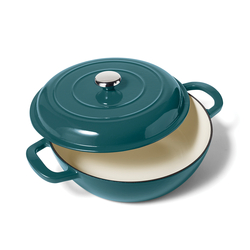
A blue 11" skillet made of enameled cast iron that promotes exceptional browning and searing without sticking.
-
(22)
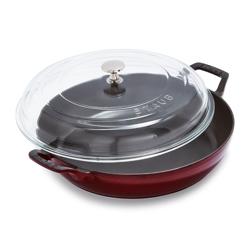
A versatile matte black cast iron piece that functions as a braiser, grill, and skillet with easy maneuverability.
-
(169)
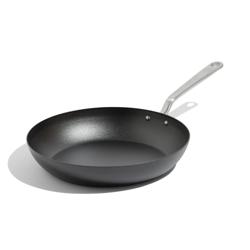
A durable, versatile red cast iron skillet with an expansive cooking surface and even heat distribution.
-
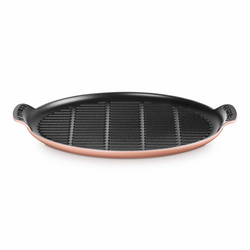
A hand-polished bronze cast iron skillet with ergonomic stainless steel handles for even, versatile cooking.
4th Of July Cast Iron Skillets Sale
Celebrate Independence Day with unbeatable deals during the Fourth of July cast iron skillets Sale. Discover a wide selection of durable, versatile skillets perfect for everything from backyard cookouts to family breakfasts. Whether you’re planning to sear, bake or sauté, find the right cast iron skillet to elevate your holiday cooking and enjoy special savings for a limited time.
Sort by:


Best Of FAQ
Why are cast iron skillets popular for Fourth of July cooking?
Cast iron skillets are popular for Fourth of July celebrations because they retain and distribute heat evenly, making them perfect for grilling, searing, and baking both indoors and outdoors. Their versatility allows you to prepare a wide range of classic holiday dishes, from burgers and steaks to cornbread and cobblers.
Can I use a cast iron skillet on a grill during my Fourth of July barbecue?
Yes, cast iron skillets are ideal for use on grills. They can withstand high temperatures and open flames, allowing you to cook side dishes or delicate items that might fall through grill grates, such as vegetables or desserts.
How do I care for my cast iron skillet after outdoor cooking?
After outdoor use, let your skillet cool slightly before cleaning. Wipe out food residue with a paper towel, rinse with warm water (avoid soap), dry thoroughly, and apply a thin layer of oil to maintain the seasoning. Store in a dry place to prevent rust.
What types of dishes can I prepare in a cast iron skillet for Fourth of July gatherings?
Cast iron skillets are great for preparing a variety of dishes such as grilled meats, sautéed vegetables, baked beans, skillet cornbread, fruit crisps, and even pizzas—making them perfect for festive Fourth of July menus.
Are there any tips for serving food directly from a cast iron skillet at holiday events?
Serving food directly from a cast iron skillet adds rustic charm to your table. Just be sure to place the hot skillet on a trivet or heat-resistant surface and use oven mitts when handling. This keeps your guests safe while maintaining the dish’s warmth throughout your celebration.
-
"This is my first cast iron grill pan, although I have five other pieces of Le Creuset, which I love"
-
"COOKS GREAT, AND CAN USE ON THE STOVE OR IN THE OVEN. ITS EASY TO CLEAN. LOVE THIS PAN"
-
"It is truly the best of both worlds: exceptional functionality and beautiful! I. Love. Everything"
-
"Love it so much! Great color! Amazing deal"
-
"It's non stick and it's great. Easy to handle and made in Italy"