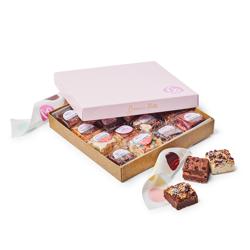
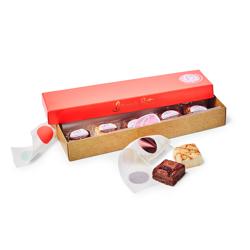
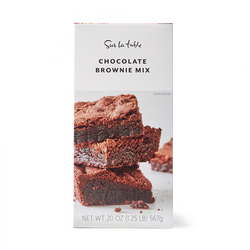
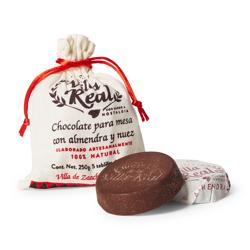
Fresh brownies are baked chocolate treats with textures ranging from dense and fudgy to soft and cake-like, making them an easy dessert to share, serve or give as a gift. Choosing brownies starts with the kind of bite you enjoy: a moist center that holds together with a little chew, a lighter crumb that breaks cleanly under a fork or a balance of crisp edges and a tender middle. A thin, shiny top adds a delicate contrast, though not every style develops that papery crust. Chocolate flavor matters just as much as texture. Darker chocolate can bring a pleasantly bittersweet finish, while sweeter versions offer a mellow richness that pairs well with coffee or a glass of milk. Nuts introduce crunch, caramel adds sweetness and a little salt can sharpen the chocolate flavor without making the brownie taste salty. When comparing descriptions, look beyond words such as “rich” and “decadent” to details about ingredients, texture, portion size and packaging. Those details give you a better sense of what will suit an after-dinner treat, a dessert platter or a thank-you gift. A thick, dense brownie may feel satisfying in a small portion, while a lighter square can work well as an individual dessert. For a group, familiar chocolate flavors make a useful starting point, with contrasting textures adding variety without requiring an elaborate spread. Freshness is about more than a baking date: how brownies are wrapped, handled and stored affects whether their edges stay tender and their centers retain moisture. Packaging that limits exposure to air helps protect that just-baked character. If you are choosing brownies for delivery or bringing them to someone else, consider when they will be eaten and whether individual wrapping or a shared package better fits the occasion. The best choice is one that tastes the way the recipient likes and is easy to enjoy.
Brownies fit occasions that call for something thoughtful but uncomplicated, from a host gift and a birthday gathering to a small celebration at work. They are easy to portion and serve without the slicing and plating that a full cake requires. A box shared around a table encourages everyone to take a piece, while individually wrapped portions can be more practical when people will enjoy their treats at different times. For a gift, the recipient’s preferences should lead the decision. Someone who loves intense chocolate may appreciate a straightforward brownie with a deep cocoa flavor; someone who favors texture might enjoy the contrast of a soft center and crunchy nuts. Assortments can suit a household with different tastes, but ingredient information deserves close attention, particularly when food will be shared beyond the person receiving it. Brownies commonly contain wheat, eggs and milk, and some include peanuts, tree nuts or soy. Check ingredient labels and allergen statements rather than assuming that a plain chocolate appearance means a brownie is free of nuts or other allergens. For someone with celiac disease or a food allergy, preparation and cross-contact information can be as important as the ingredient list. Dietary descriptions also need to match the recipient’s needs; vegan and gluten-free describe different things and should not be treated as interchangeable. Think about the setting as well as the flavor. Smaller portions are convenient for a dessert table where guests may want to sample several sweets, while generous squares can stand alone at the end of a meal. A simple plate is often all the presentation needed. For a sit-down dessert, a scoop of vanilla ice cream or a spoonful of lightly whipped cream provides contrast to a dense chocolate center. Keep toppings modest if you want the brownie’s own flavor to come through. When carrying brownies to a gathering, a rigid container and a level surface help protect their shape, particularly if they have soft toppings or delicate edges.
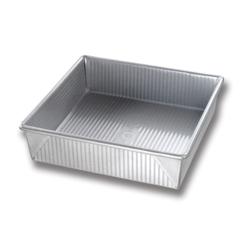
To keep fresh brownies moist, store plain brownies in an airtight container at room temperature for about three to four days, unless the baker’s instructions specify otherwise. Brownies with perishable fillings or frostings may require refrigeration, so always follow the package’s storage directions. Wrap cut portions closely or keep them in a well-sealed container to reduce the amount of air reaching the exposed crumb. Separating stacked layers with parchment helps prevent sticking and protects delicate tops. Refrigeration can extend storage for many plain brownies to about a week, but it also firms their texture; wrapping them tightly helps limit moisture loss and protects against refrigerator odors. Plain brownies can generally be frozen for up to three months for best quality. Wrap individual portions tightly, place them in a freezer-safe container or bag and label them with the date so they are easy to keep track of. Freezing a few portions before they begin to dry out usually gives better results than waiting until the end of their room-temperature storage window. Thaw plain brownies while still wrapped to help keep their surfaces from drying, and follow the maker’s directions for varieties with toppings or fillings. These storage times are general guidance, not a substitute for product-specific instructions, and visible mold or an unusual odor means the brownies should be discarded. For serving, remember that temperature changes the experience: a room-temperature brownie usually has a softer bite than a refrigerated one, while gentle warming can soften chocolate pieces and make a dense center feel more yielding. Avoid overheating, which can dry the edges or melt a topping more than intended. If enjoying fresh brownies inspires a homemade batch, the
Best Brownie Pan page is a useful place to explore bakeware suited to the task. Whether brownies arrive ready to serve or come from your own oven, thoughtful portioning and careful storage help every piece stay enjoyable beyond the first slice.