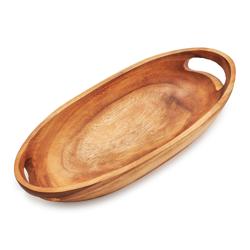
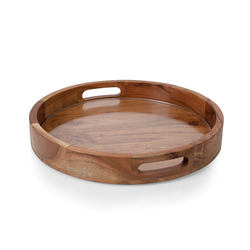
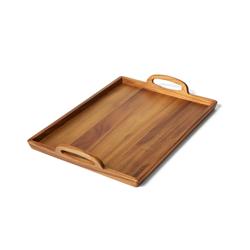
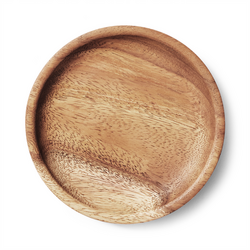
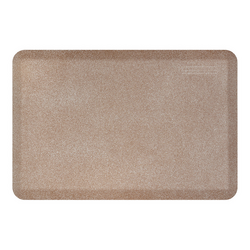
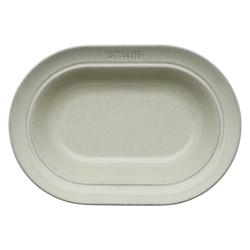
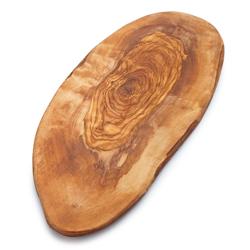
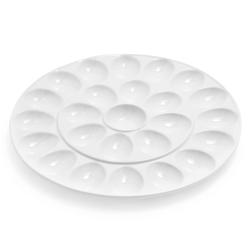
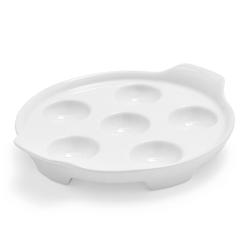
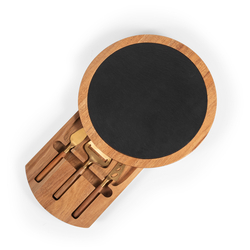
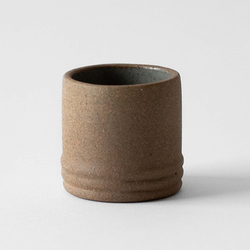
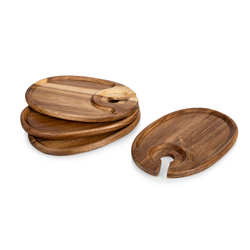
Brown trays bring a grounded, welcoming look to serving and organizing, with shades that range from light chestnut to deep espresso. Their appeal is practical as well as visual: a tray gathers separate pieces into one manageable arrangement, whether that means coffee cups headed to the table or small bowls of snacks set out for guests. Brown provides a versatile backdrop for white dinnerware, clear glass and colorful linens, while natural grain or subtle variations in a glazed finish can give a simple setting more character. The right shape depends on where a tray will sit and what it needs to carry. Rectangular trays make efficient use of a narrow counter or sideboard, while round trays suit a cluster of glasses or a pitcher surrounded by cups. An oval shape offers a softer outline on a dining table without the corners of a rectangular design. For everyday use, consider the usable space inside the rim rather than the outer dimensions alone. Wide borders and inset handles can reduce the area available for plates, and a tray that looks roomy on its own may feel crowded once napkins and utensils join the arrangement. Raised edges help contain small spills and keep loose pieces from sliding off, though they do not replace a steady grip. Handles with enough room for fingers are especially useful when moving between the kitchen and dining room. A flat base matters, too, particularly when carrying drinks or setting a tray on a firm tabletop. On an upholstered ottoman, a broad tray can create a place for a book or remote, but it should rest securely before glasses are added. Thinking about these small details makes brown trays useful beyond entertaining, from keeping breakfast essentials together to giving everyday countertop necessities a defined home.
Material and construction influence how a brown tray feels, how much it weighs and how it holds up to regular use. Wood brings visible grain and natural variation, so even a consistent brown finish may have lighter streaks, darker knots or shifts in tone. Depending on the construction, a wooden tray may feel substantial enough for serving drinks or light enough to move easily from shelf to table. Bamboo can offer a similarly natural appearance, although its construction and finish deserve the same attention as any other material. With wood-based trays, tight joints, smooth edges and securely attached handles are useful signs to look for; the surface finish also affects resistance to moisture and marks. Ceramic and stoneware trays can bring depth through glaze, with glossy surfaces that catch the light or quieter matte finishes that complement textured dinnerware. Their weight can make them better suited to serving in one place than carrying a full load across a room, and care around hard countertops helps prevent chips. Brown-finished metal or synthetic materials may provide another balance of weight, durability and ease of cleaning, but performance depends on the particular construction and coating. Whatever the material, a serving tray is not automatically a cutting board, baking dish or heatproof surface. Check the manufacturer's instructions before placing food directly on it, setting down hot cookware or using it in an oven or microwave. Small plates and bowls can keep oily foods, sauces and juicy fruit separate from a decorative surface. Care should be just as well matched to the material as the intended use. Many wooden trays need prompt wiping or gentle hand-washing followed by thorough drying, rather than soaking or cleaning in a dishwasher. Apply oil only when recommended for the finish. For glazed, coated or synthetic trays, confirm whether they are dishwasher safe and avoid abrasive cleaners unless the care instructions allow them. Storing trays where they will not scrape against rough surfaces can help preserve their appearance, while allowing freshly cleaned pieces to dry completely before stacking helps prevent trapped moisture.
A brown tray earns its place when it fits the way a household serves, gathers and tidies up. For someone who enjoys a slow breakfast, it can carry a cup of coffee, toast and a small dish of preserves without requiring several trips. For a frequent host, a generously sized tray can bring glasses to the table before dinner or hold dessert plates beside a cake stand. Smaller trays work well for a few carefully chosen essentials, such as a sugar bowl and creamer at a coffee station, while a longer shape can group condiments along the center of a table without spreading them between place settings. Leave a little breathing room around whatever goes on the tray, especially when guests will be reaching for handles or lifting bowls. A full arrangement may look inviting, but it should still be easy to use and comfortable to carry. Distributing heavier pieces evenly and keeping tall vessels away from the edges helps make serving more manageable. Color can support that practical arrangement without making everything match. A rich brown tray creates contrast beneath pale cups, while a medium brown tone sits comfortably alongside woven napkins, cream-colored dishes and green glass. For a lighter neutral pairing,
Tan Color Trays offer another direction for coordinating serving pieces with a room's palette. Mixing related tones can look more natural than trying to duplicate the exact shade of a dining table or cabinet. Texture offers another point of connection: visible grain can complement smooth porcelain, and a sleek brown finish can balance a more rustic table setting. These qualities also make trays thoughtful housewarming, wedding or host gifts, particularly when the size and care requirements suit the recipient's space. Someone with compact cupboards may appreciate a slim profile that stores upright, while a person who regularly serves a crowd may value comfortable handles and a roomy interior. Whether used for company or a quiet meal at home, a well-chosen brown tray combines an inviting presentation with a straightforward job: keeping the things needed together and within reach.