-
(329)
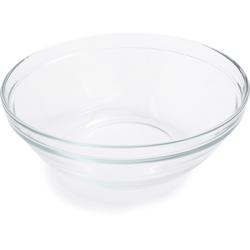
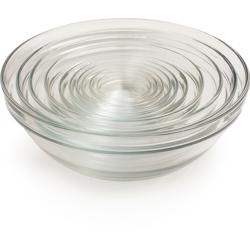
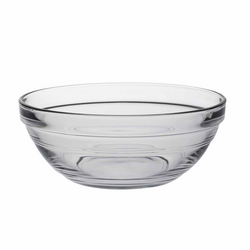
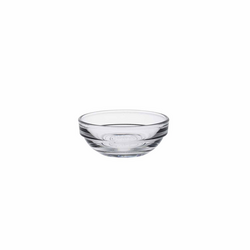
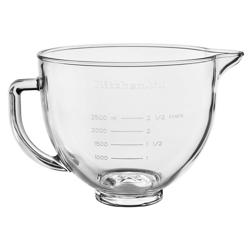
A 2.5 qt stackable bowl made of impact-resistant tempered glass, suitable for hot and cold liquids.
-
(239)
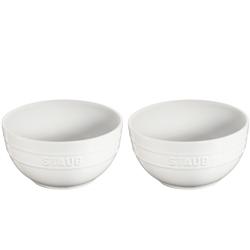
A set of 2 versatile stoneware bowls in white, perfect for oatmeal, ice cream, and kitchen prep.
-
(146)
A set of clear, stackable tempered glass bowls that are impact-resistant, versatile, and dishwasher safe.
-
(106)
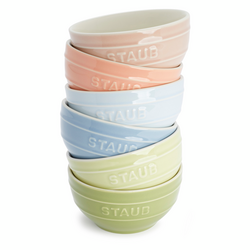
A set of 6 pastel-hued stoneware mini bowls that are dishwasher and microwave safe.
-
(106)
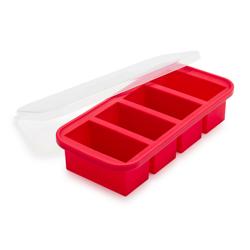
A flexible silicone tray with four 1-cup compartments for freezing soups, sauces, and more.
-
(49)
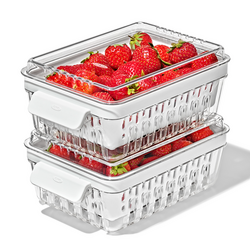
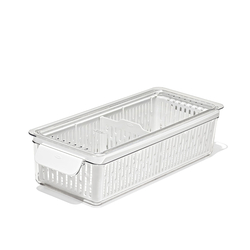
A set of white fridge-friendly baskets designed to keep berries fresh with optimal air circulation.
-
(27)
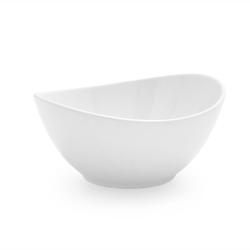
A simple and stylish white swoop bowl made of porcelain, perfect for showcasing culinary creations.
-
(18)
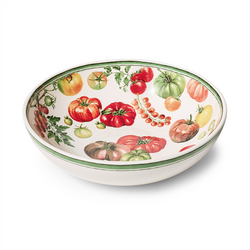
A 12" serving bowl with a summery tomato print and green rim border, made from dishwasher and microwave safe earthenware.
-
(16)
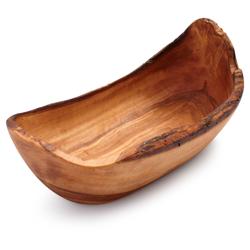
A handcrafted 7" olivewood bowl in a rustic tan color, perfect for serving salts, spices, and snacks.
-
(15)
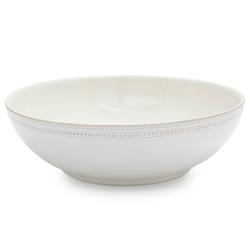
A white stoneware serving bowl with a vintage-inspired design, chip-resistant, dishwasher and microwave safe.
-
(14)
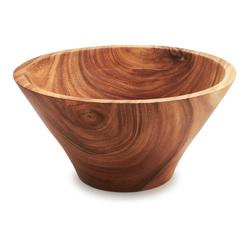
A flared serving bowl made of beautiful acacia wood, perfect for showcasing salads and rolls.
-
(9)
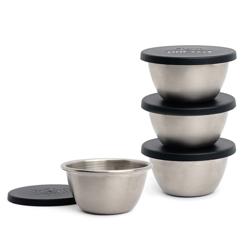
A set of 4 stainless steel prep bowls with tight-fitting lids for organized ingredient storage.
-
(9)
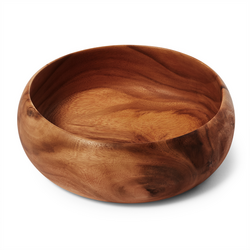
A curved acacia wood serving bowl for pasta, salads, and more, adding a natural touch to your table.
-
(7)
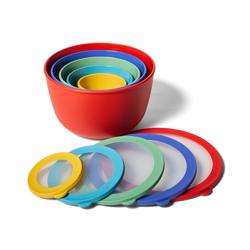
A set of five bright, stackable mixing bowls with lids, perfect for meal prep and storage.
-
(5)
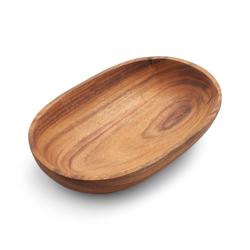
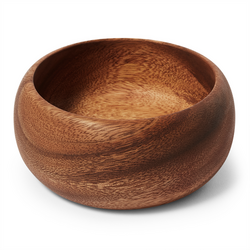
A handmade acacia wood serving bowl with a unique grain pattern, perfect for serving various foods.
-
(4)
A white, BPA-free storage bin designed to keep long vegetables fresh and organized in the fridge.
-
(4)
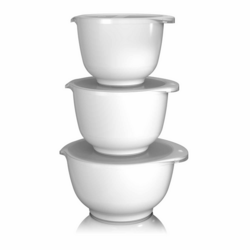
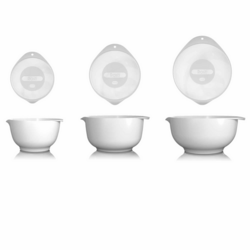
A set of 6 durable melamine bowls in white, named after Danish queen Margrethe, with convenient lids.
-
(3)
A set of 6 clear, impact-resistant glass bowls that stack for easy storage and versatility.
-
(3)
A set of 6 clear, impact-resistant tempered-glass bowls that stack for easy storage.
-
(3)
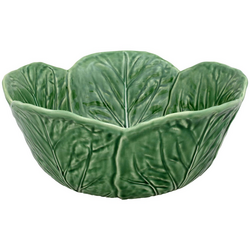
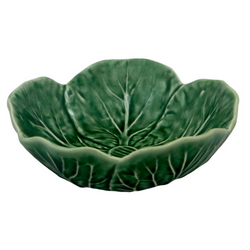
A durable, hand-finished green salad bowl inspired by cabbage leaves, perfect for everyday use or special occasions.
-
(3)
A set of 6 durable melamine mixing bowls in white, with convenient lids for storage and prep.
-
(2)
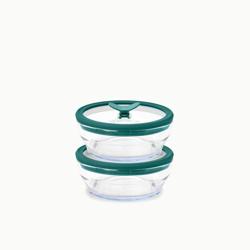
A set of green glass containers with vented silicone lids for microwaving, serving, and storing food.
-
(1)
A set of 4 green earthenware bowls inspired by cabbage leaves, perfect for everyday use or special occasions.
-
(1)
A curved acacia wood salad bowl, adding a natural touch to your table.
Fruit And Vegetable Storage Bowls
Keep produce fresh and organized with fruit and vegetable storage bowls. Designed to help streamline meal prep and reduce food waste, these versatile bowls make it easy to store everything from leafy greens to sliced fruit. Whether you’re keeping ingredients handy for cooking or saving leftovers, fruit and vegetable storage bowls offer a practical solution for any kitchen.
Sort by:
Fruit And Vegetable Storage Bowls

-
"They go great with my Denny stoneware that was discontinued many years ago"
-
"Ended up having to buy two more because just two wasn't enough. love using them, very high quality"
-
"Great food storage! Better than a ?pop? top, nothing to break, quiet, tiny, neat"
-
"It was a gift but quality was great"
-
"Great all round bowl"