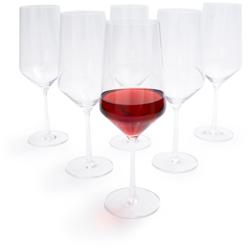
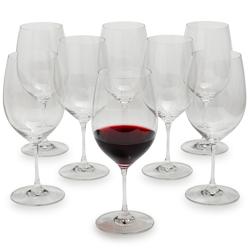
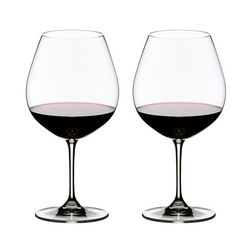
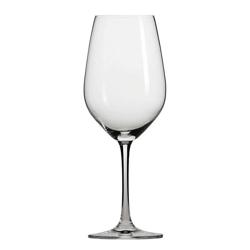
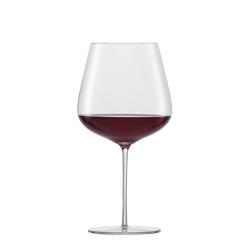
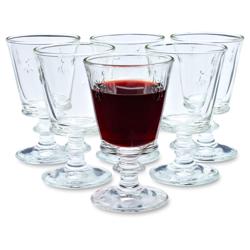
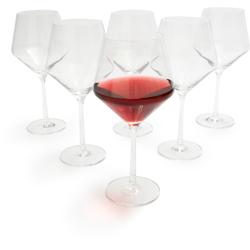
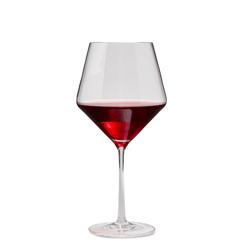
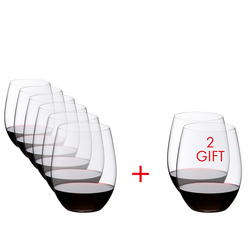
Full-bodied red wine glasses have a generous bowl, ample room for swirling and a rim that narrows to gather aromas near the nose. These proportions suit bold reds such as cabernet sauvignon, merlot, syrah and malbec, giving their fruit, spice and earthy notes room to develop in the glass. The broad bowl exposes more of the wine’s surface to air, which can help aromas open up as the wine rests or swirls. A tapered opening helps keep those aromas from dispersing as quickly. Rather than filling the bowl to the top, a pour around one-third full or less leaves space to swirl comfortably without sending wine over the edge. The extra capacity is about breathing room, not a larger serving. Tall, broad Bordeaux-style glasses are a familiar choice for structured reds, while rounder bowls offer another way to enjoy wines with expressive aromas. Shape can influence the drinking experience, but a glass does not need to be matched to a single grape to be useful. For a household that enjoys several kinds of red wine, a versatile bowl with a comfortable rim can move easily from a weeknight pasta dinner to a slow-cooked meal shared with friends. A clear glass also lets the wine’s color become part of the table, from the deep purple of a young syrah to the brick-red edge of an aged blend. Glasses with generous proportions look especially at home beside substantial dinnerware and serving pieces, though their practical value is just as important as their appearance. There should be enough space to hold, swirl and set down the glass without crowding a water tumbler or reaching across a plate. For anyone exploring fuller bowl shapes,
Large Bowl Red Wine Glasses offer a related direction to consider, with an emphasis on the space that helps red wine show its character.
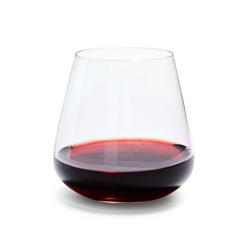
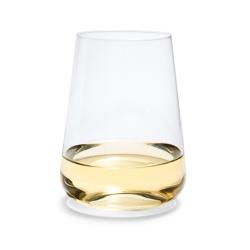
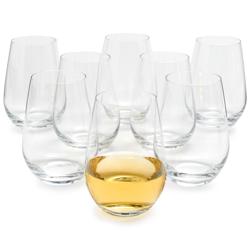
Material, balance and dimensions all contribute to how red wine glasses feel in everyday use. Glass and lead-free crystal are common choices, with differences in clarity, weight and construction that are worth considering alongside bowl shape. Lead-free crystal can be crafted into fine rims and slender stems, while other glass designs may offer a more substantial feel. Neither material alone determines durability; the thickness, shape and manufacturing process matter, too. A thin rim can feel unobtrusive against the lips, while a heavier glass may feel reassuring at a busy dinner table. The best fit is one that feels comfortable to lift when it contains wine, not just when it is empty. A well-balanced base helps support a generous bowl, and a stem with enough room for a relaxed grip makes it easier to hold the glass without warming the bowl with a palm. Stemless designs bring a more casual feel and can fit more easily into shorter cabinets, although holding the bowl leaves fingerprints and transfers some warmth to the wine. For small dining tables, overall width deserves as much attention as height. A dramatic bowl may look beautiful on its own yet feel cumbersome when the table also holds bread, shared dishes and several place settings. Storage is another everyday consideration: tall stems need sufficient shelf clearance, and wide bowls should have room to stand without pressing against neighboring glasses. Dishwasher fit matters as well, especially for households that entertain often. A glass that fits securely in the rack without touching nearby pieces is easier to work into a regular cleanup routine, provided its care instructions permit machine washing. Matching glasses create a cohesive table and make it easier to serve the same wine in similar conditions. A smaller group of versatile glasses, however, may be more practical for a couple or an apartment kitchen than a large collection of specialized shapes. Capacity should always be considered together with dimensions, since two glasses that hold the same amount can have quite different footprints.
Red wine glasses are useful for both everyday meals and occasions that call for a little more attention to the table. A generous bowl can accompany a peppery red poured beside roasted mushrooms, a smooth blend served with braised beef or a familiar bottle opened while dinner finishes cooking. During the cooler months, clear stemware adds a light visual contrast to layered linens, deep serving bowls and richly colored food. These glasses also make thoughtful gifts for people setting up a home, couples building a shared tableware collection or hosts who enjoy serving wine with dinner. The most useful gift reflects how the recipient lives: easy-care glasses for frequent gatherings, compact proportions for limited storage or elegant stems for someone who enjoys setting a formal table. A consistent set can be particularly welcome when a host wants enough matching glasses for guests without keeping several different styles on hand. Whatever the occasion, thoughtful care helps preserve clarity and reduces avoidable damage. Dishwasher safe should be confirmed in the manufacturer’s instructions rather than assumed from the material or appearance. When machine washing is permitted, glasses need secure placement and space between them so rims and bowls do not knock together. For hand-washing, mild detergent, warm water and a soft cleaning tool help remove wine residue without abrasive scrubbing. A bowl wide enough to clean comfortably can be a practical advantage, especially after an evening of serving a richly colored red. Thorough rinsing helps prevent soap residue from interfering with the next pour, and a clean, lint-free cloth can remove water spots. Supporting the bowl gently while drying, rather than twisting it against the stem, helps avoid stress at the join. Store glasses where the rims are protected from knocks and leave enough space to lift each one out easily. With proportions that suit the wine, a feel that suits the hand and care requirements that suit the household, full-bodied red wine glasses can earn a regular place at the table rather than being reserved for rare occasions.