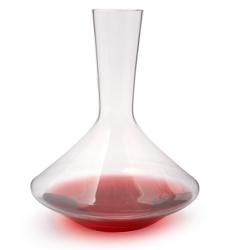
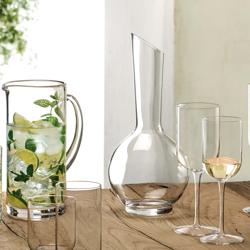
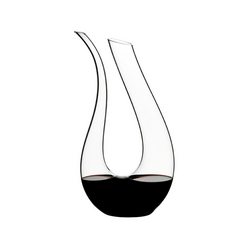
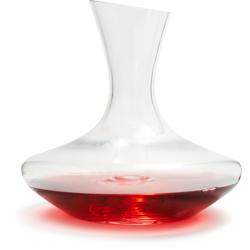
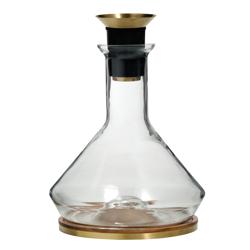
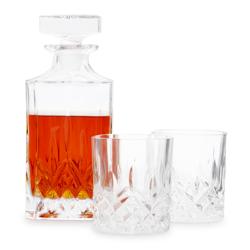
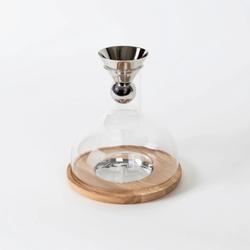
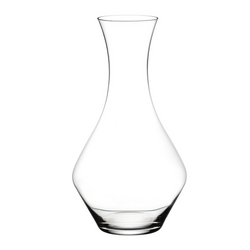
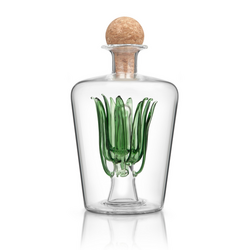
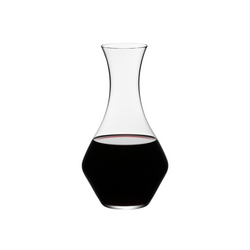
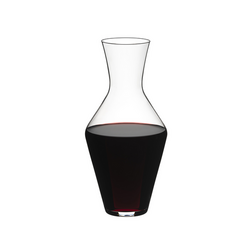
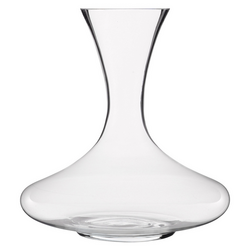
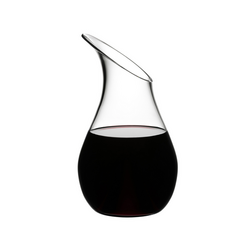
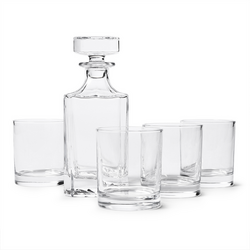
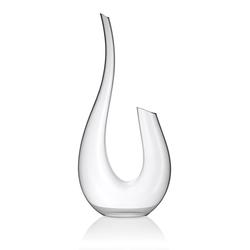
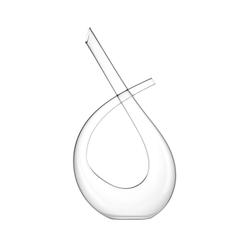
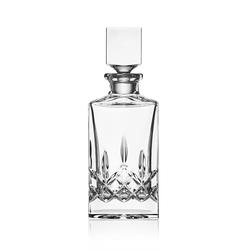
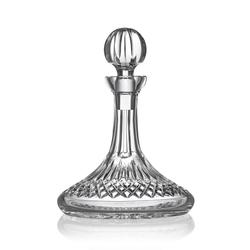
Glass decanters for festive events make wine, spirits and other beverages part of the table’s presentation while providing a practical way to pour and serve. A wine decanter can expose wine to air and help separate it from sediment, while a stoppered spirits decanter offers an attractive serving vessel for a bar or sideboard. Their clear surfaces catch the light, show off the color of a drink and sit comfortably alongside everything from simple white dinnerware to patterned linens. At a holiday dinner, a decanter of red wine gives guests an easy way to share a bottle without passing it around in its original packaging. At a wedding reception or anniversary celebration, a few carefully placed vessels can make beverage service feel more considered without crowding the table with decorations. The right shape depends on what will be served and how it will reach the glass. A broad bowl gives wine more surface contact with air, which can suit some young, structured wines. Older wines may need gentler handling and less exposure, particularly when the goal is separating clear wine from sediment rather than encouraging extended aeration. Spirits generally do not need that same treatment; a stable base, comfortable grip and properly fitted stopper matter more for their presentation and service. Capacity deserves attention, too. A decanter intended for a standard wine bottle should have enough room to hold the wine below its widest point rather than filling to the neck. For a crowded dinner table, a smaller footprint can leave welcome space for serving dishes and glassware. For a separate drinks station, a broader silhouette may be easier to accommodate. A neck that feels secure in the hand and a rim that pours cleanly are especially helpful when guests are serving themselves. These everyday details make the difference between a vessel that simply looks appealing and one that earns a place at celebrations for years.
Material and construction influence both the look of a glass decanter and how comfortably it fits into entertaining routines. Clear glass offers an unobstructed view of the contents, while cut or textured surfaces scatter light and add detail to a place setting. Lead-free crystal can offer clarity and fine detailing, though the material name alone does not establish strength or care requirements. Wall thickness, shape and the maker’s instructions all matter. A substantial base can feel reassuring on a busy buffet, while a lighter vessel may be easier to lift and pour when full. Neither needs to dominate the setting. Smooth curves work well with relaxed gatherings and understated dinnerware; more angular or decorative profiles can echo the lines of formal stemware or a special-occasion centerpiece. For a cohesive arrangement,
glass decanters for table settings can connect the beverage service with the rest of the table without requiring every piece to match. Repeating a shape, such as rounded glassware beside a curved decanter, often feels more natural than assembling an identical set of everything. Proportion is just as important as style. A tall vessel may look striking on a sideboard but feel awkward beneath a low shelf, and a wide wine decanter needs enough clearance that guests can reach nearby dishes without brushing against it. A stopper adds another dimension to consider: it should sit securely, lift out comfortably and have a safe resting place during service. Decorative stoppers are not necessarily airtight, so suitability for storage should be checked rather than assumed. For water or other nonalcoholic beverages, a decanter designed for that use can bring the same considered presentation to the table. Keeping alcoholic and nonalcoholic drinks clearly identified makes shared beverage stations more welcoming, especially when several clear drinks are being served in similar vessels.
Care is part of choosing glass decanters that will be used often rather than reserved for display. A narrow neck and sweeping bowl can be beautiful on the table but require more attention during cleaning, particularly after red wine has dried inside. A gentle rinse soon after service helps keep residue from settling, and a long, soft cleaning brush may make curved interiors easier to reach when the manufacturer permits its use. Dishwasher suitability varies, so it is worth checking the care instructions even when a decanter appears sturdy. Hand-washing with mild detergent and thorough rinsing can help prevent lingering odors from affecting the next pour. Sudden temperature changes can damage glass; a decanter used for room-temperature drinks should not be treated as a vessel for hot beverages unless it is specifically designed for them. Drying deserves room in the routine as well. Allowing the interior to dry completely before replacing a stopper helps prevent trapped moisture and stale smells, while storing the vessel where it will not knock against other glassware protects delicate rims and necks. For spirits, food-safe materials and the quality of the closure are important, and the original bottle may be better suited to longer storage when a decanter’s seal or intended use is uncertain. These practical considerations also help when choosing a gift. Someone who enjoys opening wine with dinner may appreciate a shape suited to aeration and easy pouring, while a host who arranges a drinks station for birthdays or New Year’s Eve may place more value on a stable, stoppered design. A wedding or anniversary gift feels especially personal when its scale and style suit the recipients’ home, entertaining habits and available storage. The most useful choice is not necessarily the most elaborate: it is the decanter that feels comfortable in the hand, works with the drinks being served and looks at home when friends gather around the table.