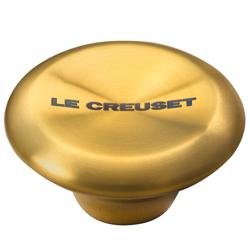
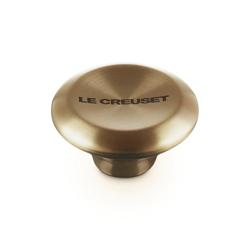
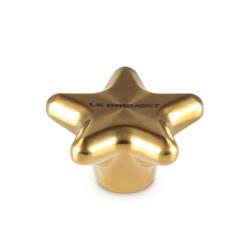
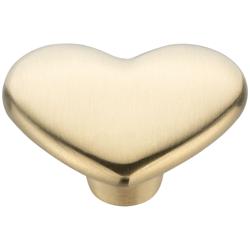
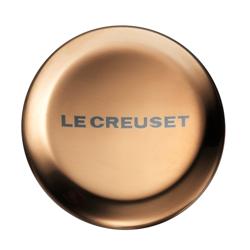
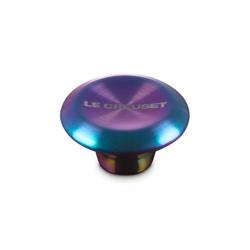
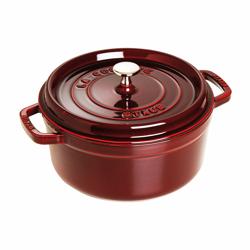
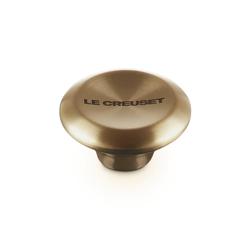
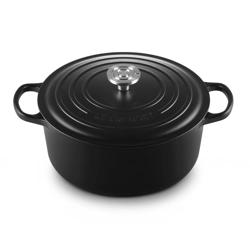
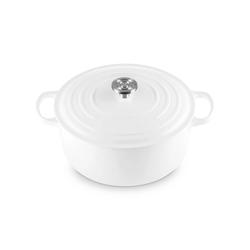
Gold knobs for high-end Dutch ovens are replacement lid knobs that add a gold-toned accent to compatible cookware. The right choice combines the look you want with a secure fit and a heat rating suited to the way you cook. Against glossy enamel, a gold finish creates a small but noticeable contrast: warm metal against deep blue, a soft accent on cream or a bright detail on black. It is an understated way to personalize a well-loved Dutch oven without replacing the pot itself. Because the knob sits at the center of the lid, its shape and finish can influence the appearance of the whole piece, whether the Dutch oven rests on the stovetop or comes to the table on a protective trivet. A rounded profile can complement traditional cookware, while a simpler silhouette may feel more at home alongside streamlined kitchen tools. Color is only part of that choice. A polished surface catches the light differently than a brushed finish, and gold tones can range from pale champagne to a deeper brass-like shade. Those differences matter when coordinating cookware with cabinet hardware, serving utensils or other kitchen accents, though an exact match is not necessary for a cohesive look. The practical appeal is just as important. A comfortable knob gives a gloved hand a dependable place to grip when checking a braise, uncovering baked pasta or lifting the lid from a pot of beans. Enough clearance beneath the knob can make that movement easier with a bulky oven mitt, especially when a heavy lid is involved. A decorative replacement should still feel like a working part of the pot, not an ornament that gets in the way. For cooks who use their Dutch ovens often, the most satisfying detail is one that looks considered and feels comfortable through ordinary kitchen routines.
Material and compatibility determine whether a gold-toned knob belongs on a particular Dutch oven. A gold finish describes appearance, not necessarily the underlying metal: the base material may be stainless steel or another metal, with its color created through a surface treatment or coating. A brass-colored finish should not be assumed to be solid brass, and a gold appearance does not establish oven safety. Product specifications should identify the material, care requirements and maximum oven temperature. These details are especially important for covered bread baking or recipes that move from the stovetop into a hot oven. The safe temperature for the assembled Dutch oven is limited by its lowest-rated component, including the knob, lid and any other attached parts. Broiler suitability also needs separate confirmation rather than an assumption based on an oven-safe designation. Even when a metal knob is rated for oven use, it can become hot during cooking and should be handled with dry oven mitts or potholders. Fit deserves the same attention as heat resistance. The lid opening, screw size, thread pattern and lid thickness all affect whether a replacement can attach properly. The shape of the knob’s base matters, too, since it needs to rest correctly against the lid rather than rock or concentrate pressure on a small area. Similar-looking knobs are not necessarily interchangeable, even across cookware with comparable dimensions. Compatibility information and the specified mounting hardware are more reliable than appearance alone. A properly fitted knob should feel stable during normal lifting without requiring improvised spacers, a different screw or alterations to the lid. Installation should follow the manufacturer’s directions, with care to avoid overtightening against an enameled surface. Durability involves both the attachment and the finish: repeated handling, washing and exposure to cooking heat are all part of the job. A clearly documented finish and suitable construction offer a better basis for selection than a decorative description by itself, particularly for a Dutch oven that earns its place through frequent use.
Gold lid knobs suit cooks who appreciate the details of their kitchen tools as much as the food those tools help prepare. They can refresh the appearance of a familiar Dutch oven, coordinate cookware that is often left on display or replace a worn knob when an approved match is identified. For someone who brings a covered dish straight to the table, that small accent becomes part of the presentation without changing the relaxed character of a shared meal. Think of a Dutch oven filled with tender short ribs, a spoon-ready risotto or a generous serving of baked macaroni and cheese: the pot already does the serving, and the knob adds a finishing touch. Related
gold knobs for cookware enhancement offer another avenue for considering a coordinated look across compatible cookware. Care should protect that appearance while keeping the attachment dependable. Follow the knob’s own cleaning instructions rather than assuming the care directions for the pot apply to every replacement part. When hand-washing is recommended, mild dish soap, a soft cloth or nonabrasive sponge and thorough drying can help preserve the surface. Abrasive scrubbers and harsh cleaners may scratch or dull a decorative finish, while dishwasher detergent can be unsuitable for some coatings. Allow hot cookware to cool before cleaning, and pay attention to residue around the knob’s base, where splatters can be easy to overlook. If the knob begins to loosen, check it according to the manufacturer’s instructions before lifting the lid again. As a gift, a compatible gold knob can be a thoughtful detail for a housewarming, wedding or a cook who enjoys personalizing favorite equipment. Knowing the recipient’s exact cookware model is essential; the gesture works best when the fit is confirmed rather than guessed. Whether chosen as a replacement or a change in appearance, a gold-toned knob should complement the Dutch oven’s daily work: comfortable to grasp, appropriate for the recipe’s heat and simple to care for after the meal.