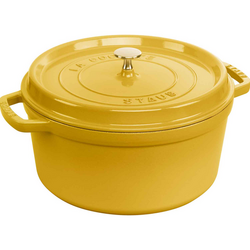
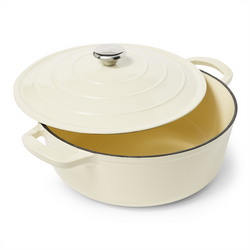
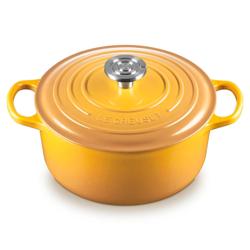
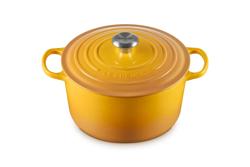
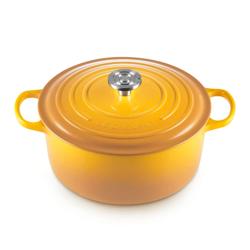
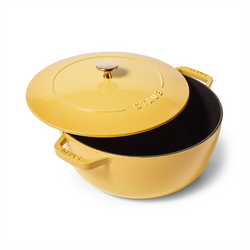
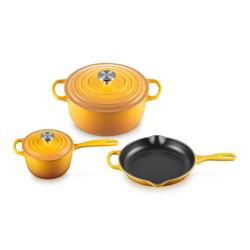
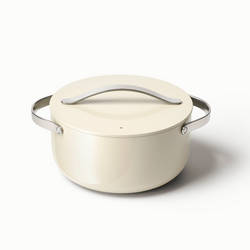
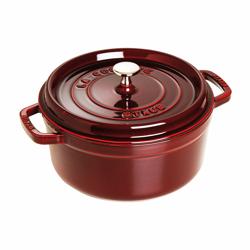
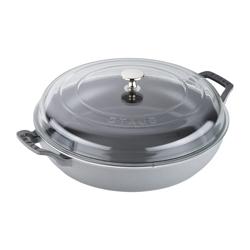
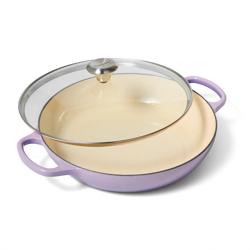
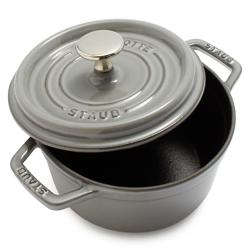
Yellow Dutch ovens combine a colorful finish with the versatility of a deep, heavy pot built for braising, simmering, roasting and baking. Enameled cast iron is a common material for these pieces, valued for its ability to retain heat and maintain a steady simmer once warmed. The enamel creates a cooking surface that does not need seasoning and works well with acidic ingredients such as tomatoes and wine. That makes an enameled Dutch oven useful for everything from a long-simmered tomato sauce to tender short ribs with a rich pan sauce. Its appeal goes beyond slow cooking, too. Deep sides provide room to stir a pot of beans, fold greens into soup or toss pasta with sauce without crowding the stovetop with extra cookware. For a braise, the same pot can move from browning onions and meat on the burner to gentle cooking in the oven, provided its handles and lid are rated for the intended temperature. A well-fitting lid helps limit moisture loss, although cooking time and liquid levels still depend on the recipe. Bread bakers also appreciate the enclosed cooking environment, which traps steam released by the dough and supports crust development; the pot’s care instructions should always determine whether empty preheating is appropriate. Cast iron takes time to warm, so gradual heating and moderate burner settings generally serve it better than a blast of high heat. Once hot, it holds that warmth through simmering and serving. Yellow adds another dimension without changing how the cookware performs: a buttery shade can feel soft against white dishes, while a deeper golden tone brings a stronger accent to a wood table or open shelf. Whether holding a bubbling baked pasta or a simple lentil soup, a yellow Dutch oven can move comfortably from a working kitchen to a shared meal. Use a heat-resistant trivet beneath it at the table and dry oven mitts whenever handling a hot pot or lid.
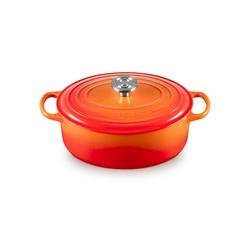
The right size and shape make a Dutch oven easier to reach for regularly. A smaller capacity suits modest batches of rice, beans or sauce, while a roomier pot accommodates larger meals and planned leftovers. A capacity of about five to six quarts is a useful starting point for many households, but the best fit depends on how much food goes into a typical recipe and how comfortably the pot can be lifted when full. Leave space for stirring and bubbling rather than choosing a vessel that barely holds the ingredients. Round Dutch ovens tend to sit naturally over round burners and work well for soups, stews and round loaves. Oval shapes provide extra length for a whole chicken or an elongated roast, though the base may extend beyond a smaller burner. For recipes that begin with browning, the width of the cooking surface matters as much as total capacity. A wider base gives ingredients more contact with the hot surface, while a deeper profile offers generous room for broth and bulky vegetables. Even in a large pot, browning meat in batches helps prevent overcrowding. Handle design deserves attention as well: generous openings can be easier to grip with thick mitts, and a secure lid knob makes checking a simmer more manageable. Check the full dimensions, including handles, against oven racks, cabinet shelves and the sink where the pot will be washed. Enameled cast iron is often compatible with induction, gas and electric cooktops, but the manufacturer’s compatibility information remains the deciding factor. On glass cooking surfaces, lift the pot rather than sliding it. Interior finishes also differ. A light-colored interior can make it easier to see browning and judge the color of a sauce, while a dark interior makes those visual cues less obvious. Neither the yellow exterior nor the interior color alone determines cooking quality. Construction, lid fit, usable cooking space and comfortable handling are more meaningful considerations for everyday use.
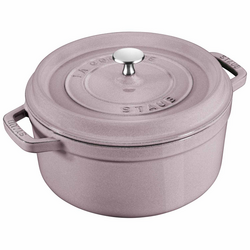
Thoughtful care helps preserve both the cooking surface and the yellow finish. Although cast iron is sturdy, enamel can chip if struck against a hard edge or exposed to abrupt temperature changes. Let a hot Dutch oven cool before washing, and avoid pouring cold water into a very hot pot. Wood, silicone and other manufacturer-approved utensils help protect the interior from scratches and marks. For food that clings after cooking, a soak in warm, soapy water is generally gentler than aggressive scrubbing; follow the care instructions for stubborn residue and suitable cleaners. Even when a piece is labeled dishwasher safe, hand-washing may be recommended to help preserve its finish. Dry it thoroughly before storage, paying particular attention to any exposed cast iron along the rim. The enamel itself does not require seasoning, though exposed metal may need separate care as directed by the manufacturer. A shelf that supports the pot’s weight and a protective layer between stacked pieces can help prevent accidental damage. These practical details matter when choosing a Dutch oven as a gift, too. For a wedding, housewarming or someone building a kitchen beyond the basics, it can be a useful choice when its size, weight and care needs suit the recipient. A cook who makes small meals may appreciate manageable proportions more than maximum capacity, while someone who regularly hosts dinner may value extra room for a generous braise. Color offers a personal touch: yellow can complement natural wood, blue linens or a collection of simple white serving pieces. For a different accent,
purple Dutch ovens bring another color direction to the same kind of versatile cookware. The most satisfying choice balances that visual appeal with the way the kitchen actually works, from burner size and storage space to the recipes made most often. With suitable care, a well-made yellow Dutch oven can become a familiar part of everyday cooking, equally useful for a quiet dinner and a meal worth sharing.