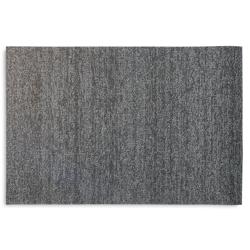
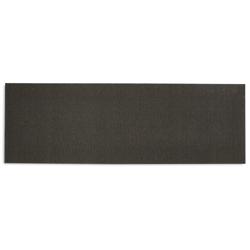
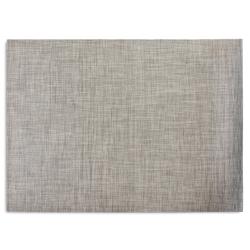
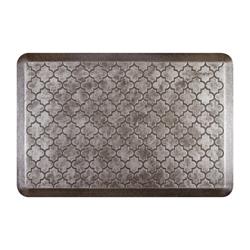
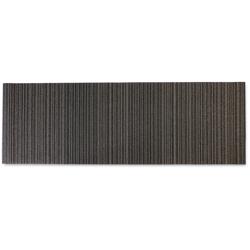
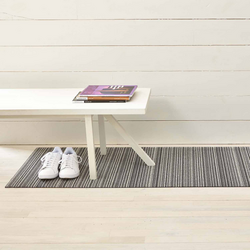
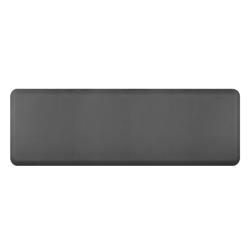
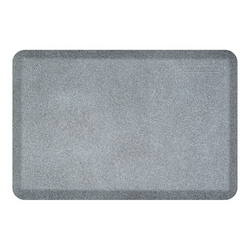
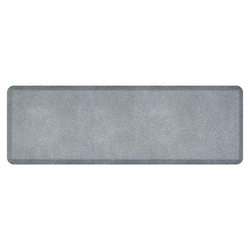
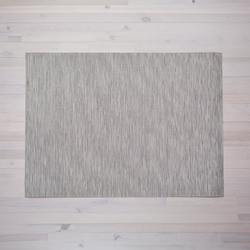
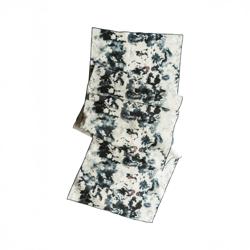
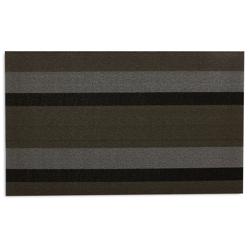
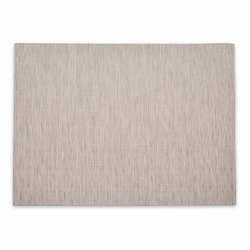
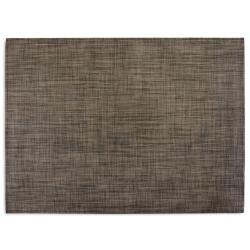
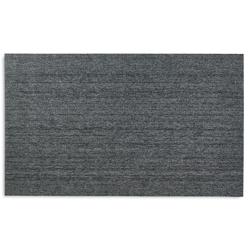
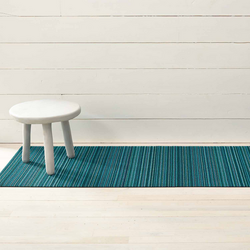
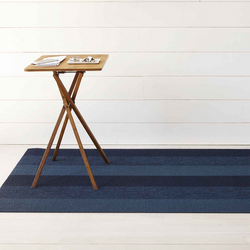
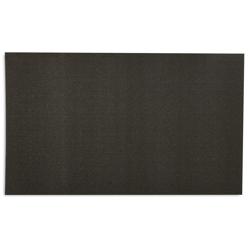
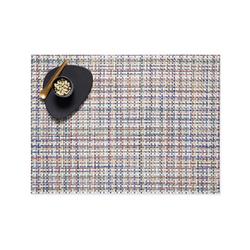
Gray kitchen runners are long, narrow floor coverings that add comfort, texture and a neutral foundation to busy kitchen spaces. Their shape works especially well along a sink, between an island and surrounding counters or through a galley kitchen, where a small mat may leave much of the walkway uncovered. Gray offers plenty of range within a simple palette: pale silver tones create a subtle contrast against dark flooring, medium grays sit comfortably beside natural wood and deeper charcoal shades give light cabinetry a more defined edge. Undertones matter as much as shade. A gray with a beige undertone can complement oak cabinets and creamy tile, while a cooler gray can echo stainless steel appliances and crisp white finishes. Looking at the runner’s color alongside the floor and cabinets helps create a cohesive space without making every surface match. Pattern also changes the effect. Fine stripes can emphasize a kitchen’s length, geometric designs bring structure and a softly mottled weave adds interest without competing with a patterned backsplash. Heathered surfaces and small-scale patterns can make everyday crumbs and minor marks less noticeable than a solid, pale surface, though regular cleaning still matters. Beyond appearance, a runner creates a more welcoming place to stand while rinsing vegetables, packing lunches or catching up over the counter. A textile runner provides a softer surface than bare tile, but it should not be confused with a cushioned anti-fatigue mat designed specifically for standing comfort. The better choice depends on whether the priority is decorative texture, easy cleanup or support during longer stretches at the sink. For kitchens that open into a dining area or hallway, repeating a similar gray tone can help connect the spaces without using identical patterns. The
Contemporary Gray Floor Runners page offers a related direction for carrying that clean, understated look beyond the kitchen.
Material and construction make a meaningful difference in how a kitchen runner feels and handles daily use. Polypropylene and other synthetic fibers are often chosen for their durability and resistance to moisture absorption, making them worth considering near food preparation areas. Stain resistance varies by fiber, weave and finish, however, and no material makes prompt spill cleanup unnecessary. Polyester can provide a soft feel and hold color well, while cotton brings a relaxed texture that suits casual kitchens. Cotton absorbs moisture readily, so a runner near the sink may need more attention to drying than one placed along a relatively dry stretch of counter. Blended fabrics combine different fiber qualities, but their performance still depends on the overall construction. A tightly woven, low-pile surface generally gives crumbs fewer places to settle than a deep, plush pile and can be easier to vacuum in a space where flour, toast crumbs and dry ingredients regularly reach the floor. Flatwoven runners also tend to have a lower profile, which can be helpful near cabinet bases and doors. For anyone who spends time cooking with children or sharing the kitchen with pets, practical details such as secure edges, straightforward cleaning and a stable placement may matter more than a particularly soft texture. Backing deserves a close look as well. Slip-resistant backing can help limit movement, but its effectiveness depends on the runner, the flooring and keeping the surfaces beneath it clean and dry. An unbacked runner may require a compatible nonslip rug pad, trimmed to sit within the runner’s edges. Check both flooring and runner care recommendations before choosing a backing or pad, since some materials can discolor or otherwise affect certain floor finishes. If cushioning is the main goal, consider the thickness and resilience of a purpose-built cushioned runner rather than assuming that a thicker textile pile provides the same support. A durable choice balances a comfortable surface with construction that suits the kitchen’s traffic and cleaning routine.
Fit is about more than finding a runner long enough to fill an empty strip of floor. Measure the usable area with cabinet doors, drawers and nearby appliances in mind, then leave visible flooring around the edges so the runner does not crowd the passage. In a galley layout, it should sit comfortably within the walkway rather than press against both cabinet bases. Along an island, its length can follow the main working area without extending into a turn where people regularly change direction. Check clearance beneath the dishwasher door, refrigerator door and any doors that swing into the room, accounting for both the runner and a rug pad if one is needed. Edges should lie flat, and the placement should allow easy movement while carrying a full pot or a tray of dishes. Care requirements are just as important as dimensions. Machine-washable kitchen runners can simplify cleanup, but washability should be confirmed on the care label rather than assumed from the material. A long runner also needs to fit the washing machine’s capacity, and backing may require particular washing or drying methods. For spot-clean-only styles, blot spills promptly and use the recommended cleaner, testing an inconspicuous area before treating a visible mark. Avoid bleach unless the manufacturer specifically permits it. Regular vacuuming or shaking out, when appropriate for the construction, helps remove grit before it works into the fibers. Lift the runner periodically to clean underneath and allow both the runner and floor to dry fully before replacing it. These small habits help protect the surface below and keep the kitchen feeling cared for. Gray kitchen runners can also make thoughtful housewarming gifts for someone setting up a first kitchen or refreshing a well-used cooking space, especially when the measurements and recipient’s care preferences are known. A low-maintenance weave may suit a busy household, while a more textured design may appeal to someone who enjoys bringing softness into a streamlined room. The most useful runner feels at home in both the kitchen’s design and the everyday routines that happen there.