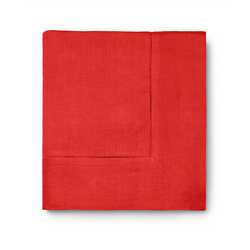
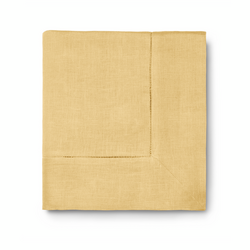
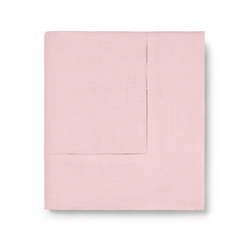
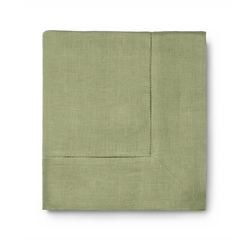
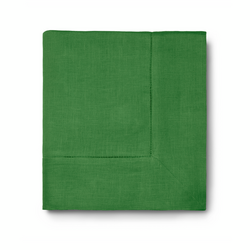
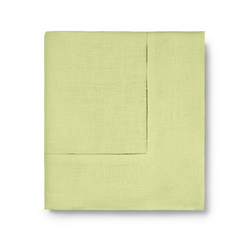
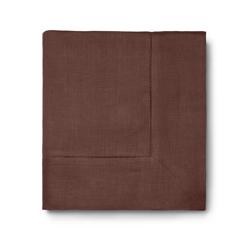
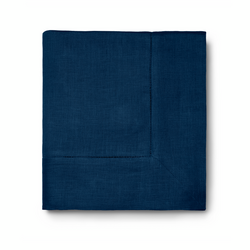
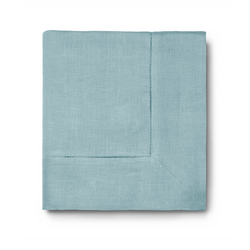
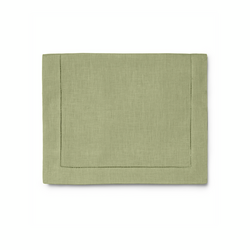
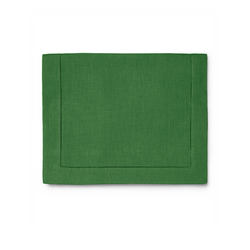
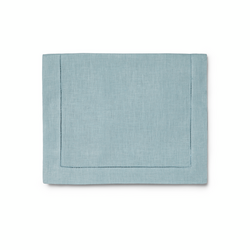
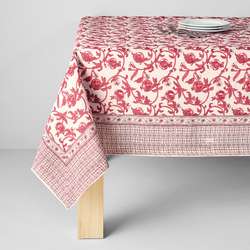
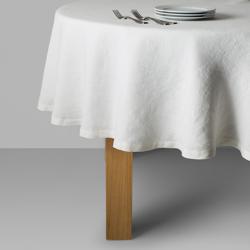
Hand-hemstitched tablecloths are table linens finished with decorative openwork near the hem, traditionally created by drawing out selected fabric threads and gathering the remaining threads into small stitched groups. The result is a delicate border that frames the table without covering it in a busy pattern. On a set table, that detail might appear just below the edge, where light passes through the stitching and the fabric falls softly toward the chairs. True hand hemstitching is worked by hand, while a hemstitch appearance can also be produced by machine, so construction details matter when handwork is part of the appeal. The beauty of this style is its restraint: it feels at home beneath simple stoneware for a family meal and alongside porcelain dinnerware for an anniversary celebration. Material makes a meaningful difference in how the tablecloth looks and feels. Linen has a distinctive texture, a relaxed drape and natural creases that are part of its character. Cotton generally offers a softer, smoother surface, though its weight and weave influence whether it feels crisp or casual. Linen-cotton blends combine qualities of both fibers, with the balance depending on the fabric’s composition and finishing. A fine, lightweight cloth lets the border feel especially airy, while a more substantial weave creates a fuller drape and may better obscure the table underneath. Neither weight alone nor decorative stitching guarantees durability; sound fabric, secure hems and careful laundering all contribute to a tablecloth that wears well. For someone who enjoys a thoughtfully set table but prefers subtle details to elaborate decoration, hand hemstitching brings interest through texture and craftsmanship. It leaves room for the meal, the dishes and the people gathered around them to be the focus, whether dinner is a shared bowl of pasta or a carefully plated main course. Small variations in handwork can contribute to its character, but the border should still feel secure and neatly finished.
A tablecloth’s fit shapes the entire setting, from the amount of stitching visible at the sides to how comfortably guests can sit. The relevant measurements are the tabletop’s length and width, or its diameter for a round table, plus the desired drop beyond each edge. Rectangular and oval tables need both dimensions considered, particularly when an extension leaf changes the table’s proportions. A drop of about 6 to 12 inches on each side is a common choice for seated dining; longer drops create a more formal effect but need clearance from chair seats and guests’ laps. For example, a tabletop measuring 40 by 60 inches needs a cloth measuring 60 by 80 inches to produce a 10-inch drop on every side. Any expected shrinkage should also factor into the choice, using the individual linen’s sizing and care information rather than assuming that every natural-fiber fabric behaves alike. Shape changes the look, too. A rectangular cloth on a rectangular table gives an even frame, while a square cloth over a round table creates longer points between shorter sections. With a hemstitched border, those differences affect where the decorative edge falls and how clearly it shows. Color offers another way to make the setting feel personal. White gives the openwork a crisp appearance, while ivory and natural tones create a softer contrast against wood, ceramics and woven accents. Deeper colors can provide definition beneath pale dinnerware, although dye stability and laundering requirements deserve attention. Coordinating napkins need not match exactly; a related tone or similar fabric weight can make the combination feel considered without looking overly formal. For a layered setting,
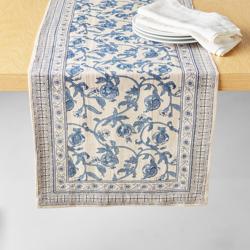
Hand Thread Hemstitch Table Runners can introduce another line of detail down the center, provided the textures and proportions complement the cloth beneath. Low arrangements and modest centerpieces leave more of the fabric visible and keep conversation easy across the table. A simple place setting often gives a carefully stitched hem all the room it needs.
Care is especially important for table linens with openwork because the fabric and its decorative border may respond differently to friction, heat and stain treatments. The care label should determine whether a hand-hemstitched tablecloth can be machine washed, requires a gentle cycle or needs professional cleaning. Natural fibers are not automatically suitable for the same wash temperature or drying method, and finishes, dyes and stitching can introduce additional requirements. After a meal, lifting away crumbs and blotting spills promptly helps limit the amount of rubbing needed later. Sauce or coffee should be treated with a method appropriate to the fiber and color, without scrubbing aggressively across the drawn-thread border. Chlorine bleach can weaken some fibers and affect colored fabrics, so it should never be assumed safe simply because a cloth is white. Where home laundering is permitted, avoiding overloaded machines and keeping linens away from zippers, hooks and other snagging hazards helps protect delicate stitching. Careful drying matters as well: excessive heat can contribute to shrinkage, and stains are best checked before the cloth goes into a dryer. For a smooth finish, ironing while the fabric is slightly damp may help when the label permits it, using a suitable temperature and gentle pressure around the hem. Leaving some of linen’s natural texture visible is equally appropriate for a less formal table. Between meals, clean, fully dry tablecloths belong in a dry storage space, with loose folds that avoid unnecessary stress on the same stitched areas. A protective pad beneath the cloth can soften the sound of plates and help cushion the tabletop, but hot cookware still needs an appropriate trivet. These practical considerations make the difference between linens saved indefinitely for an occasion and linens enjoyed regularly. A hand-hemstitched tablecloth can also be a thoughtful wedding, housewarming or anniversary gift for someone who loves to host, especially when the table’s dimensions and the recipient’s care preferences are known. The most useful choice suits the way that person actually entertains, bringing a considered detail to familiar meals as well as larger gatherings.