-
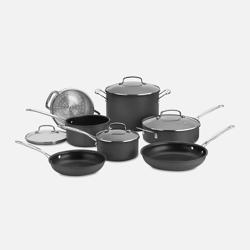
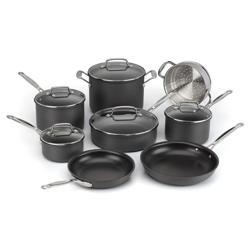
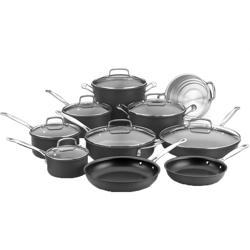
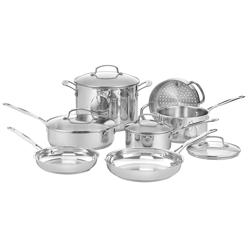
A durable and versatile 11-piece cookware set with nonstick technology for effortless cooking and easy cleaning.
-
(1)
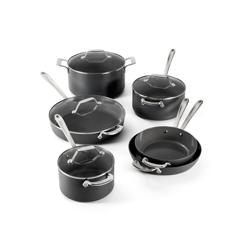
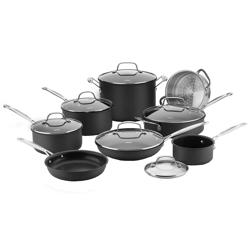
A durable and versatile 10-piece cookware set in black, made with Calphalon's nonstick technology.
Pros: initial quality
-
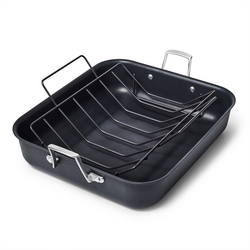
A durable black roaster with nonstick interior and included rack for even cooking and easy food release.
-
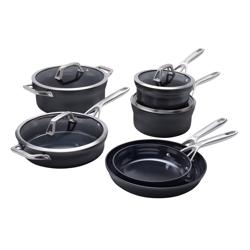
A black hard-anodized aluminum cookware set with ceramic nonstick coating and stainless steel bases for even heating.
-
(10)
A 10-piece cookware set with chef-inspired details, even heating, dripless pouring, and ceramic nonstick coating.
Pros: non-stick, easy to clean, scratch resistant
-
(3)
A sleek black nonstick cookware set featuring heavy-gauge aluminum and stay-cool, double-rivet handles.
Pros: non-stick, easy to clean, appearance
-
A versatile black cookware set featuring PFAS-free ceramic nonstick, hard anodized construction, and Cool Grip handles.
-
A black hard anodized nonstick cookware set with ceramic coating, cool-grip handles, and tempered glass lids.
-
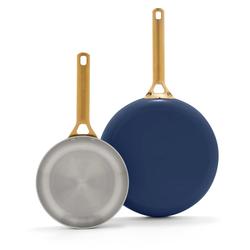
A blue skillet duo featuring diamond-infused ceramic nonstick, durable hard-anodized construction, and stay-cool handles.
-
(98)
A durable and eco-friendly cookware set with nonstick interiors, perfect for professional and home chefs.
Pros: easy to clean, non-stick, durable
-
A black hard anodized cookware set featuring PFAS-free ceramic nonstick interiors and tempered glass lids.
-
A black hard-anodized cookware set featuring PFAS-free ceramic nonstick interiors and tempered glass lids.
-
(24)
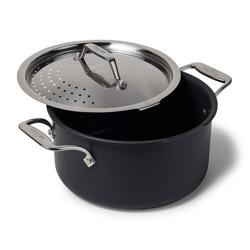
A convenient and versatile 6 qt. stockpot with a straining lid, made of hard-anodized aluminum for even cooking and easy cleaning.
Pros: easy to clean, perfect size, right size
-
(18)
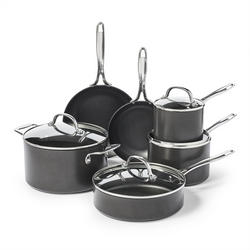
A 10-piece cookware set with durable nonstick coating, perfect for everyday cooking and gifting.
Pros: easy to clean, sturdy, non-stick
-
(11)
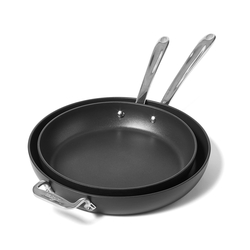
A durable black nonstick skillet set with even heating and effortless food release for versatile cooking.
Pros: easy to clean, weight, non-stick
-
(11)
A durable black nonstick skillet set with lids, featuring even heating and effortless food release.
Pros: lightweight, durability, reasonable price
-
(12)
A durable, nonstick sauté pan with even heating and a glass lid for sealing in flavors.
Pros: quality, perfect size, non-stick
-
(1)
A black hard anodized stockpot with PFAS-free ceramic nonstick interior for even heating and easy cleanup.
Pros: works well, durability
-
A black hard anodized saucepan with PFAS-free ceramic nonstick interior and a cool-touch stainless steel handle.
-
(11)
A durable, lightweight black saucepan with a nonstick interior and secure riveted handle.
Pros: love, usefulness, frequent use
-
(43)
A 1.05 qt. black saucepan with a ceramic nonstick coating for effortless release and quick cleanup.
Pros: easy to clean, sturdy, durable
-
A black hard anodized saucepan with ceramic nonstick surface, pour spout, straining holes, and measurement markings.
-
(20)
A 5 qt. sauté pan with curved sides, smooth rounded edges, and ceramic nonstick coating for easy cooking and cleanup.
Pros: easy to clean, quality, non-stick
-
A black hard anodized sauté pan with PFAS-free ceramic nonstick interior and cool-touch stainless steel handle.
Hard Anodized Cookware
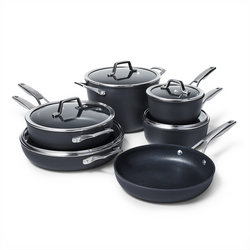
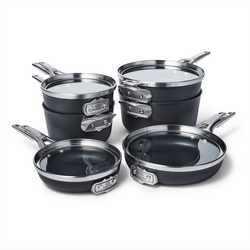
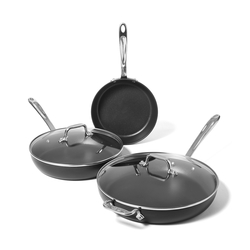
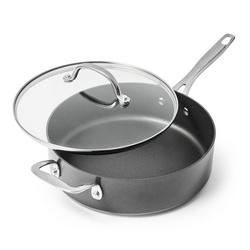
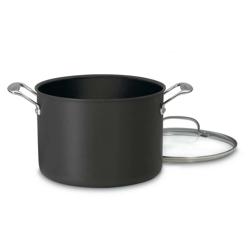
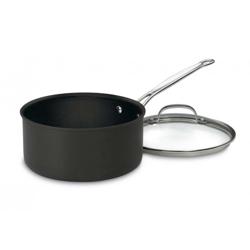
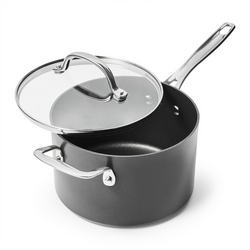
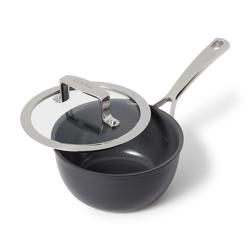
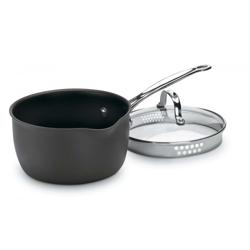
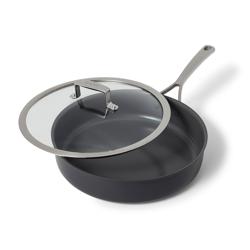
Hard anodized cookware is a popular option for those looking for durable, reliable kitchenware. These cookware items are made from aluminum that has been treated with an electrochemical process, resulting in a hard surface that is resistant to wear and corrosion. These cookwares are also non-stick, making them ideal for a variety of cooking tasks. Here are some great options.

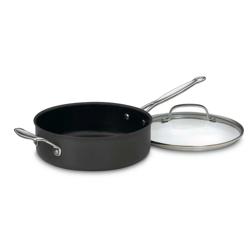
Hard Anodized Cookware
FAQ List
Hard anodized cookware is made by treating aluminum with an electrochemical process that creates a hard, non-stick surface that is resistant to scratches and other damage.
Hard anodized cookware is known for its durability, even heat distribution, and non-stick surface, making it an excellent choice for cooking a wide range of dishes.
Yes, hard anodized cookware is safe to use as long as it is used and cared for properly. It is important to follow the manufacturer's instructions for use and cleaning.
Most hard anodized cookware is safe to use on all stovetops, including gas, electric, and induction. However, it's important to check the manufacturer's instructions to be sure.
Hard anodized cookware should be cleaned with mild soap and warm water. Avoid using abrasive cleaners or scrubbers, as these can damage the non-stick surface. It is also important to avoid putting hard anodized cookware in the dishwasher.
-
"Great pan. Love the quality and that it's also weight and looks really nice. Highly recommend"
-
"Best cookware ! Love using this set. Cleaning is super easy"
-
"Great product"
-
"Great pan. Love the quality and that it's also weight and looks really nice. Highly recommend"
-
"Love the nonstick skillet so far. Truly nonstick. Great size, and versatile for many dishes"