-
(27)
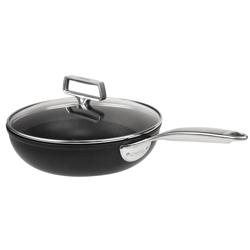
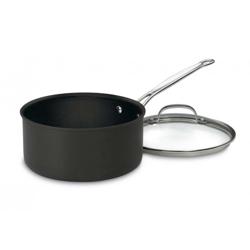
A durable black saucepan with exceptional heat control, compatible with all stove types, and a nonstick coating for easy release.
Pros: easy to clean, non-stick, well made
-
(43)
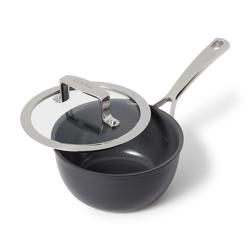
A 1.05 qt. black saucepan with a ceramic nonstick coating for effortless release and quick cleanup.
Pros: easy to clean, sturdy, durable
-
A black hard anodized saucepan with PFAS-free ceramic nonstick interior and a cool-touch stainless steel handle.
-
(11)
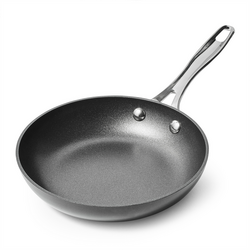
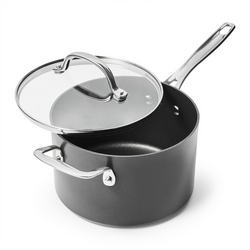
A durable, lightweight black saucepan with a nonstick interior and secure riveted handle.
Pros: love, usefulness, frequent use
-
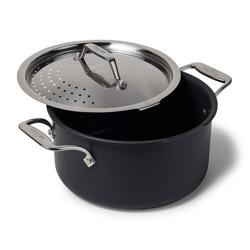
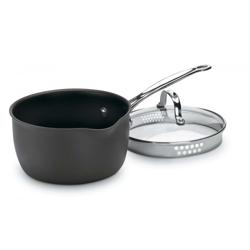
A black hard anodized saucepan with ceramic nonstick surface, pour spout, straining holes, and measurement markings.
-
(1)
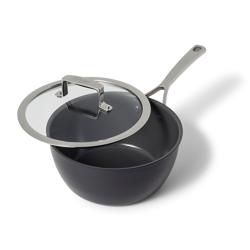
A durable black nonstick saucepan with tempered glass lid, perfect for efficient heat management.
Pros: glass lid, squat design
Hard Anodized Saucepan
A hard anodized saucepan is a type of cookware that is designed to be both durable and non-stick. These are made from aluminum that has been electrochemically treated to form a layer of oxide on the surface. They are often referred to as “hard anodized” because the coating is very strong and resistant to wear and tear. Here are some great options.


Hard Anodized Saucepan
FAQ List
Hard anodized cookware is made from aluminum that has been treated to create a hard, non-stick surface that is resistant to scratches and other damage.
It depends on the specific cookware. Some hard anodized cookware is compatible with induction cooktops, while others are not. Check the manufacturer's specifications before purchasing.
Many hard anodized cookware sets are dishwasher safe. However, it is always best to check the manufacturer's instructions before putting any cookware in the dishwasher.
Hard anodized cookware is made from aluminum that has been treated to create a hard, non-stick surface. Stainless steel cookware is made from a combination of metals, including steel and nickel. Hard anodized cookware is typically lighter and easier to handle, while stainless steel cookware is more durable and resistant to scratches and other damage.
Most hard anodized cookware can be cleaned with warm, soapy water and a soft sponge or cloth. Avoid using abrasive cleaners or scrubbers, as these can damage the non-stick surface. If you have stubborn stains or food residue, try soaking the cookware in warm water for a few minutes before cleaning.

-
"I'm in love with my newest pan. I've retired my old pans with my Cristel nonstick Saute' Pan"
-
"I love love love this pan! Great size for cooking just about anything"
-
"Love this pot! Perfect size for soups and any kind of pasta. Nice heavy pot"
-
"Great little pan; I needed to replace my nonstick 2-qt. size and this lightweight one fills the bill"
-
"Fabulous pan -- had to buy another one for my best friend"