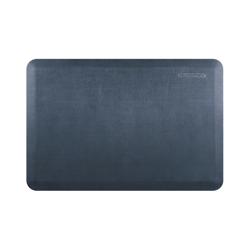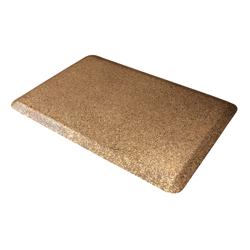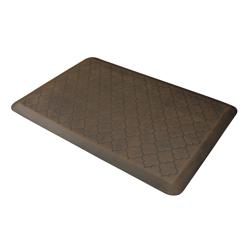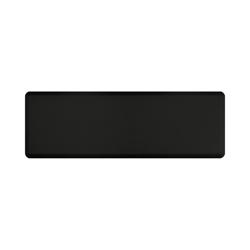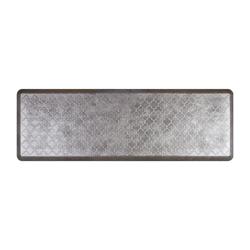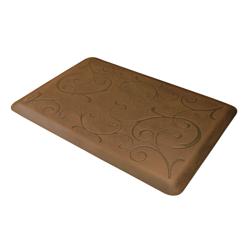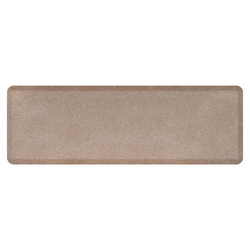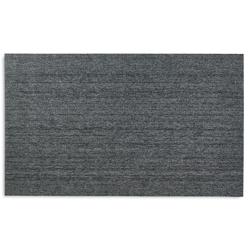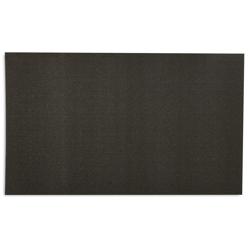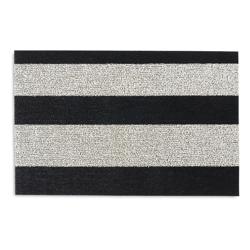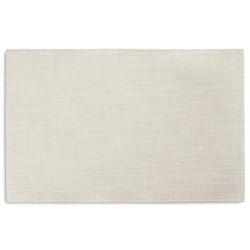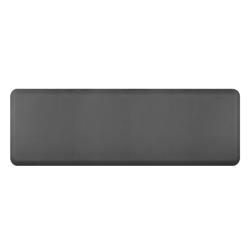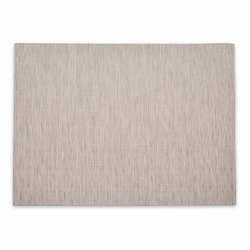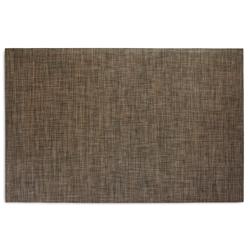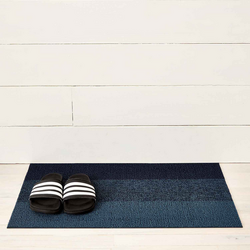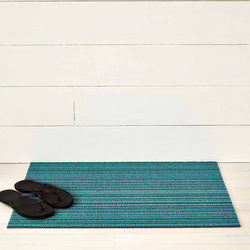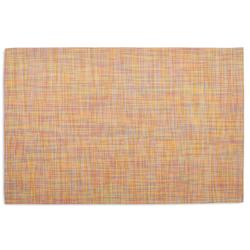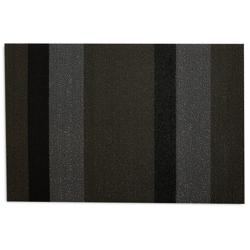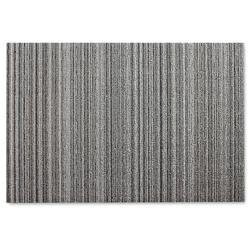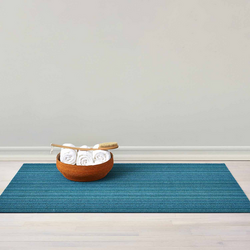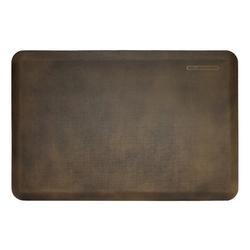
Heat resistant kitchen comfort mats bring together two practical benefits: cushioning for tired feet and added protection for the area around a range, oven, grill or prep station. They are designed for cooks who spend long stretches standing on hard floors, whether they are kneading dough, preparing produce, washing dishes or keeping several pots moving at once. A supportive mat can help soften the feel of tile, wood or concrete underfoot, while a heat-tolerant surface offers greater peace of mind around warm cookware, radiant heat and the occasional dropped utensil. It is important to remember that not every anti-fatigue mat is heat resistant. Standard foam or low-cost PVC may soften, scorch, warp or melt when placed too close to an open oven, hot pan or ember, so look for materials and safety information that specifically address high-temperature use. Heavy-duty rubber and polyurethane are often chosen for their durability and resistance to moisture, stains and everyday kitchen wear. Some heat-resistant designs are rated to tolerate temperatures up to 400°F, but ratings vary by construction and should always be reviewed before purchase. These mats are especially useful for home cooks, bakers, grill enthusiasts and anyone with a kitchen island that doubles as a daily workbench. They can also make a thoughtful housewarming or wedding gift for someone settling into a new kitchen, particularly when paired with other practical essentials that make cooking more comfortable. For a softer place to stand during chopping, mixing and cleanup, explore a
Comfortable Kitchen Mat that suits the way the space is used.
When choosing a heat resistant kitchen comfort mat, start with placement and dimensions. Measure the area where you plan to stand and leave enough room to open cabinet doors, pull out appliances and move safely between work zones. A longer runner can work well in front of a range or sink, while a smaller mat may be better suited to an island or compact cooking station. Beveled edges are a valuable detail because they help the mat lie flat and reduce the chance of catching a toe while stepping on or off. A stable, slip-resistant underside is equally important on smooth floors, though the floor should be clean and dry before the mat is placed. Look for a surface that feels supportive without being so soft that it becomes unstable. High-density cushioning can provide comfortable give while helping the mat hold its shape through daily use. Heat tolerance is only one part of the decision. A waterproof, nonabsorbent surface is easier to wipe after a splash of sauce, cooking oil or muddy footwear, and stain resistance helps the mat maintain a tidy appearance through busy cooking seasons. If the kitchen receives direct sunlight or sits near a heating vent, consider how changing temperatures may affect the material over time. A well-made mat should remain flat and resilient rather than curling, bubbling or developing brittle areas. Avoid placing any mat directly beneath an open flame or leaving hot cookware on the floor, and follow the manufacturer’s instructions for temperature limits, cleaning and placement. These simple precautions help preserve the mat and keep the cooking area comfortable and secure.
Care is straightforward, but consistency makes a difference. Sweep or vacuum loose crumbs from the surface, then wipe it with a damp cloth and a mild cleaner recommended for the material. Dry the top and underside before returning the mat to the floor, especially after a spill. Moisture trapped underneath can reduce traction and may affect some flooring surfaces. Lift the mat from time to time to clean beneath it and check for grit, grease or discoloration. During the warmer part of the year, open windows and frequent entertaining can bring in extra dust and outdoor debris; during the cooler months, baking, roasting and slow cooking often mean longer periods spent at the stove. In both cases, a comfortable, heat-tolerant mat creates a more inviting place to work without requiring a major change to the kitchen. Inspect it regularly for curling edges, warping, bubbling, cracking or areas that have changed texture after exposure to heat. Discontinue use if the mat no longer lies flat or shows signs of heat damage. Keeping the mat away from direct flames, hot coals and heating elements will help it perform as intended, while using trivets or heat-safe surfaces for cookware remains essential. With the right size, supportive construction, heat-resistance rating and easy-clean finish, a kitchen comfort mat can become a dependable part of the cooking routine—from early-morning coffee and weekend meal prep to festive baking and everyday cleanup.