-
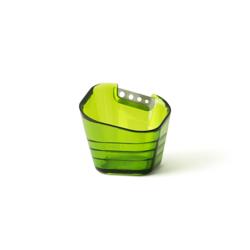
A convenient herb stripper with four different-sized holes and an integrated container for easy herb preparation.
-
(21)
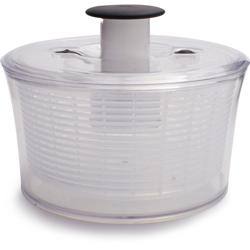
A compact and versatile salad and herb spinner with an easy-to-use pump and removable colander basket.
Pros: bpa-free plastic, works adequately, sturdiness
-
(17)
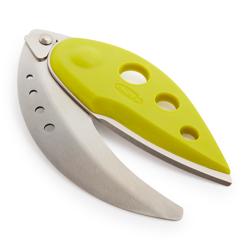
A compact yellow tool that easily removes tough central ribs from greens and strips herbs.
Pros: effectiveness, time-saving, versatility
-
(1)
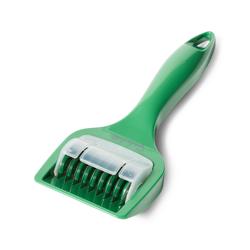
A green herb cutter with 9 sharp stainless steel blades for effortless herb preparation.
-
(14)
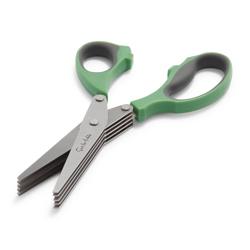
A green herb shear with ten stainless steel blades for effortless and consistent herb cutting.
Pros: effective, easy to use, easy to clean
-
(4)
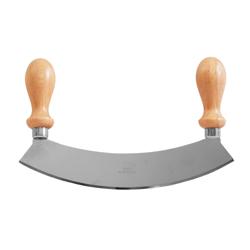
A traditional Italian mezzaluna with a curved stainless-steel blade and beechwood handles for efficient chopping.
Pros: effective, customer service, effective cutting
Herb Tools
The best kitchen tools are the ones that make your life easier. And when it comes to herbs, there are a few more useful tools that can help you get the most out of them. These tools are designed to make it easy to chop, mince, and store herbs for later use. Here are some great options.
Herb Tools
FAQ List
Herb tools are kitchen accessories designed to make prepping and cooking with herbs easier, faster, and more enjoyable. They include items like herb scissors, herb strippers, herb grinders, and mortar and pestles.
Anyone who enjoys cooking with fresh herbs can benefit from using herb tools. They're particularly useful for home cooks who want to save time and effort in the kitchen, or for professional chefs who need to work with large quantities of herbs.
When shopping for herb tools, consider the type of herbs you use most frequently, how often you cook with them, and your personal cooking style. Some tools may be more suitable for home cooks, while others may be better suited for professional chefs.
Some popular herb tools include herb scissors, herb strippers, herb grinders, and mortar and pestles. Each tool has its own unique features and benefits, so it's important to choose the ones that best suit your needs and preferences.
Yes, herb tools can make a great gift for foodies, home cooks, or anyone who loves to cook with fresh herbs. They're perfect for housewarming parties, weddings, or other special occasions. Consider pairing herb tools with other kitchen accessories, like thyme and sage kitchen towels, to create a thoughtful and practical gift set.
-
"They work great and I just run them under the faucet to clean them. It?s a great tool"
-
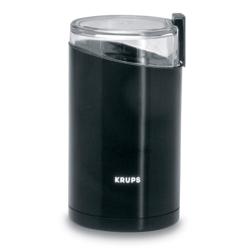
"Love this grinder! Have always loved it, it?s the best grinder out there"
-
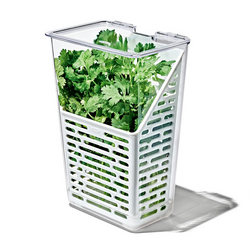
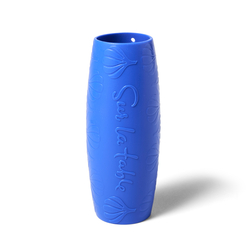
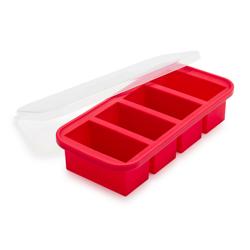
"great way to store basil or parsly"
-
"It's a great kitchen tool and it's safe for kids to help you with"
-
"Only had these for a short time but the quality is great. They are SHARP right out of the box"