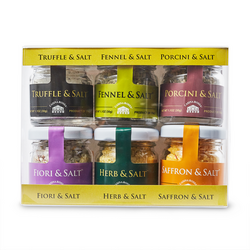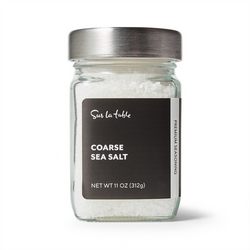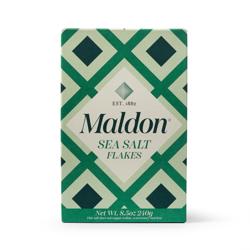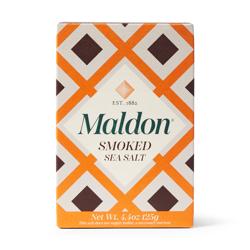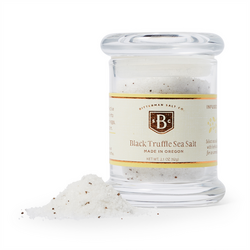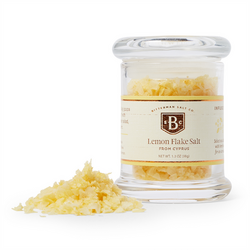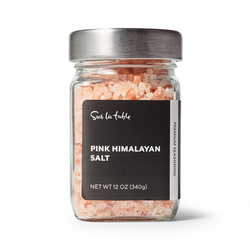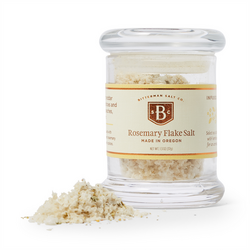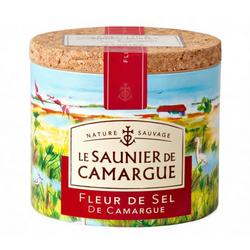
High-quality sea salt brings clean salt flavor and useful texture to the kitchen, with fine grains for everyday cooking, coarse crystals for grinding and delicate flakes for finishing. Made by evaporating seawater, sea salt can vary in appearance, moisture content and crystal shape depending on its source and how it is harvested and processed. The best choice is the one that suits the food you prepare and the way you like to season it. A fine sea salt dissolves readily into soups, sauces and dressings, making it practical for meals that need even seasoning throughout. It also works well in baking, where small grains distribute more evenly through doughs and batters than large crystals. Coarse sea salt takes longer to dissolve and can be useful in cooking liquids, salt crusts or a compatible salt mill. Flaky sea salt is especially appealing when texture matters: a light scattering over a sliced tomato, a buttered piece of bread or a chocolate cookie adds little pockets of crunch rather than disappearing into the food. For a kitchen that handles everything from scrambled eggs to homemade focaccia, having a cooking salt and a finishing salt serves two different purposes without making seasoning complicated. Clear labeling helps distinguish those uses. Crystal size, added ingredients and any information about origin or harvesting are more useful than broad claims that a salt is simply “premium.” Some sea salts are bright white and dry, while others retain moisture or have a gray or pink tint from naturally occurring minerals or other components. Those differences can influence handling and taste, but color alone does not establish quality. A dependable salt should deliver the flavor and texture expected from its style, whether that means fine grains that blend into a vinaigrette or fragile flakes that stay distinct on a finished dish.
Texture is often the most noticeable difference between sea salts at the table. Thin flakes break easily between the fingers and offer a delicate crunch, while larger, denser crystals can feel more pronounced with each bite. That makes finishing salt particularly well suited to foods with a soft or smooth surface, such as avocado, roasted vegetables, soft caramels or a spoonful of whipped butter. On grilled meat or fish, a small amount added just before serving provides a different effect from salt used earlier in cooking: the final crystals remain on the surface instead of dissolving fully into the juices. On sweets, sea salt can bring sweetness into sharper focus, especially alongside chocolate, caramel or toasted nuts. The goal is a few well-placed crystals, not a heavy coating. Moist sea salts offer another texture, often with irregular grains that work well as a finishing touch but may clump in a narrow shaker. Dry, free-flowing styles are generally easier to measure and dispense for everyday use. These practical differences matter more than choosing one salt for every task. A recipe developed with fine salt may turn out differently when the same spoonful of large flakes is substituted, because the spaces between crystals change how much salt fits in the spoon. When a recipe provides a weight, following that weight makes substitutions more consistent; when it specifies a particular texture, matching the texture helps preserve the intended result. Sea salt is not inherently lower in sodium than table salt, and naturally occurring trace minerals do not make it a meaningful substitute for a varied diet. Its appeal lies chiefly in flavor, texture and the experience of seasoning food. For dishes that already include olives, cheese, cured meat or a salty sauce, a restrained finishing touch allows those ingredients to remain distinct. A neutral sea salt is particularly versatile because it supports the dish without adding another competing flavor.
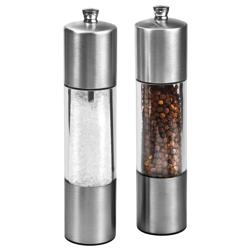
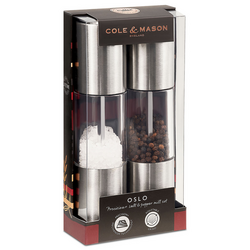
Storage and serving details help keep sea salt pleasant to use, whether it lives beside the stove or comes out for a shared meal. Plain sea salt is shelf-stable when kept free of contamination, but moisture can cause dry grains to clump and delicate flakes to lose their crisp feel. A covered container protects it from splashes, cooking steam and stray crumbs, while a clean, dry spoon makes portioning straightforward. A salt cellar with an opening wide enough for a small spoon or a comfortable pinch can be more practical than a shaker for broad flakes. For households that prefer grinding salt at the table, crystal size and moisture content should match the mill manufacturer’s recommendations. Large, dry crystals are generally better suited to salt mills than damp salts or fragile finishing flakes. A mechanism designed for salt, often made with corrosion-resistant ceramic, is a better fit than assuming a pepper mill can handle the same job. Keeping salt containers and mills away from prolonged exposure to steam also helps protect nearby metal parts and maintain reliable dispensing. Flavored sea salts deserve a little extra attention: added herbs, citrus or smoke can make them useful for particular dishes, but those aromas may fade over time, and the ingredient list helps clarify what they will contribute. A straightforward sea salt remains a flexible choice for cooks who prefer to build flavor themselves. It is also a thoughtful gift for someone who bakes bread, enjoys grilling or likes setting out small finishing touches for guests. A baker may appreciate fine grains for dough alongside flakes for the top of a loaf, while a frequent host may enjoy a finishing salt served with bread and olive oil. Pairing a seasoning gift with
Sea Salt Cookware connects an everyday ingredient with the tools used to prepare a meal. Whether chosen for a busy home kitchen or a food-loving friend, high-quality sea salt earns its place through practical versatility and the small but noticeable difference it makes in a finished dish.