-
(295)
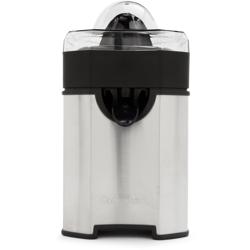
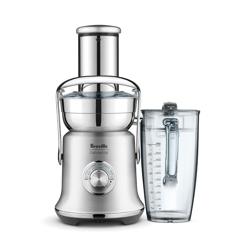
A sleek brushed stainless steel citrus juicer with adjustable pulp-control settings and a Final-Spin feature.
-
(119)
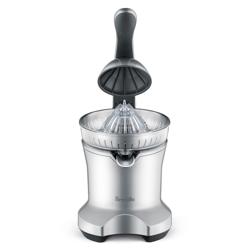
A silver electric citrus press that effortlessly extracts juice from a variety of citrus fruits.
-
(100)
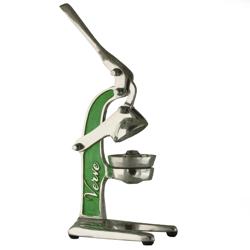
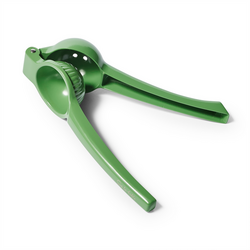
A hand-press artisan juicer in green aluminum, perfect for crafting cocktails or making fresh-squeezed juice.
-
(86)
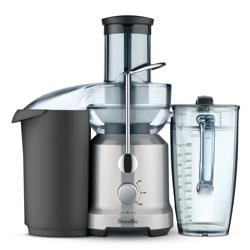
A powerful silver juicer with Cold Spin Technology for efficient juicing and minimal temperature transfer.
-
(63)
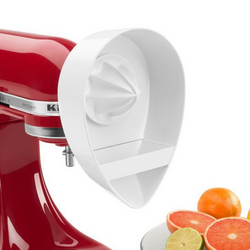
A durable white citrus juicer attachment for KitchenAid stand mixers that filters seeds and pulp.
-
(45)
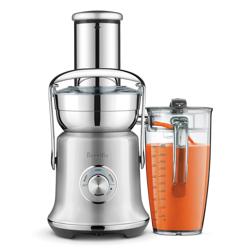
A powerful, silver countertop juicer with dual-speed controls and Cold Spin Technology for fast, efficient juicing.
-
(37)
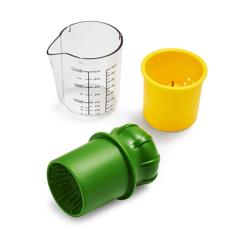
A clear citrus juicer with a twist action that maximizes juice extraction from citrus fruits.
-
(18)
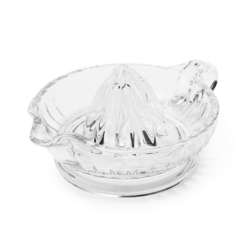
A clear glass juicer with a generous reservoir, handle, and spout for easy pouring.
-
(17)
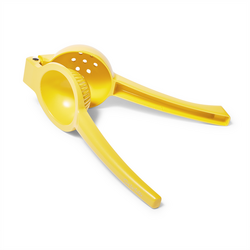
A powerful yellow lemon juicer with a dual gear mechanism for easy and efficient juicing.
-
(16)
A powerful lime juicer with an inverted mechanism for reduced pulp and increased juicing power.
-
(14)
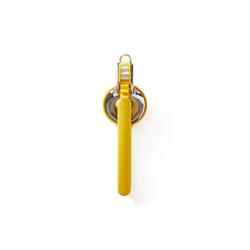
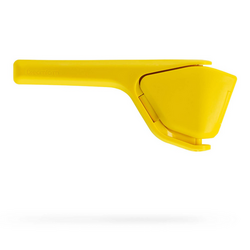
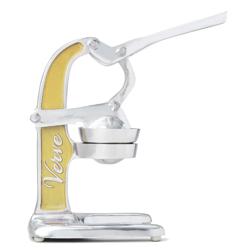
A yellow stainless steel lemon juicer that folds flat for easy storage and is dishwasher safe.
-
(12)
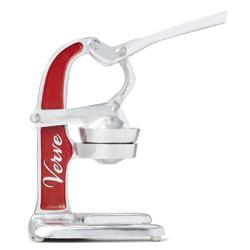
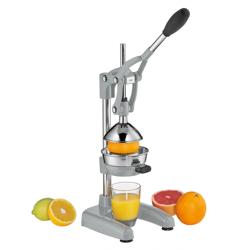
A commercial-grade citrus juicer with a heavy-duty press and extra leverage for maximum juice extraction.
-
(10)
A brushed stainless steel juicer with an extra-large nozzle for whole fruits and vegetables.
-
(5)
A larger, redesigned lemon juicer in yellow aluminum that makes quick work of juicing lemons and limes.
-
(2)
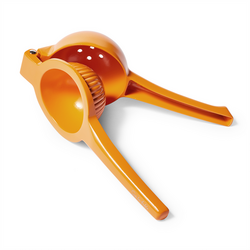
A powerful and sturdy orange juicer in a vibrant orange color, made of durable aluminum.
-
(1)
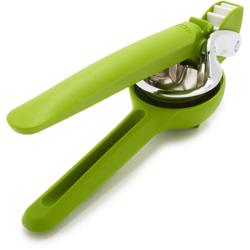
A green aluminum handheld lime juicer that is easy to use and provides optimum juicing with little effort.
-
(1)
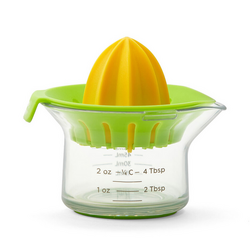
A conveniently sized clear juicer with integrated pour spout and pulp filter for easy citrus juicing.
-
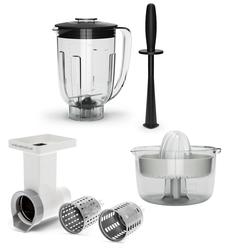
A versatile clear plastic attachment set for blending, juicing, slicing and shredding fruits and vegetables.
-
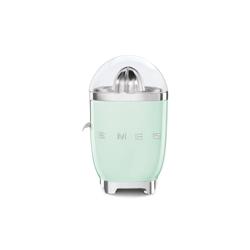
A pastel green aluminum juicer featuring retro Italian design, automatic press activation, and anti-drip spout.
Juicers For Healthy Summer Snacks
Juicers for healthy summer snacks make it easy to enjoy fresh, homemade beverages and treats all season long. Whether you're looking to create vibrant fruit juices, refreshing smoothies, or nutrient-packed veggie blends, the right juicer can help you get the most out of your favorite summer produce. Explore options designed to simplify your routine and inspire delicious, wholesome snacks for every day of summer.
Juicers For Healthy Summer Snacks
-
"s easy to clear and looks great in addition to making great juice fast and easy"
-
"Not the best quality, the strainer is too small and I have to clean it after every 3 oranges"
-
"Works great for juicy and looks beautiful as a counter accessory"
-
"I have owned similar products and this one is the best one I have tried"
-
"From juicing to cleaning, this one is the BEST. I am so pleased with the performance of this"