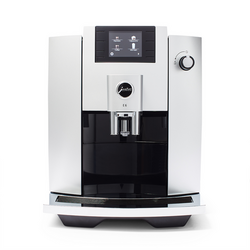
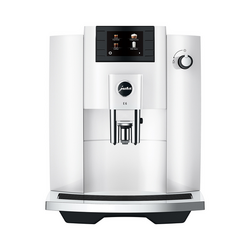
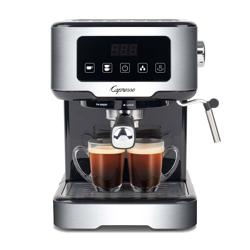
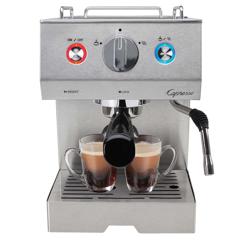
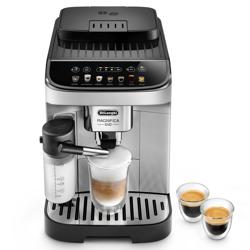
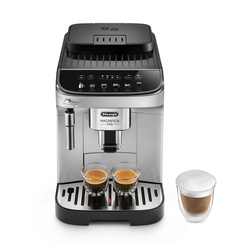
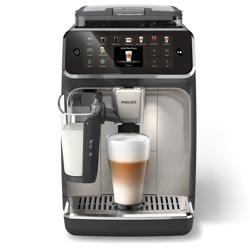
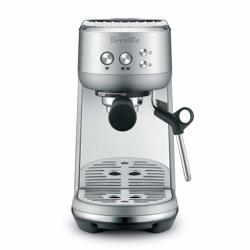
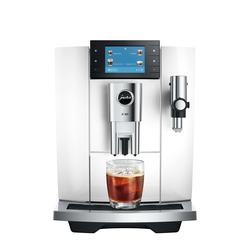
A super-automatic coffee machine combines a built-in grinder with automated brewing to turn whole coffee beans into espresso and coffee with less hands-on preparation. Rather than grinding beans separately, filling a portafilter and tamping the grounds, the machine handles much of that work inside a single appliance. Many designs also support milk-based drinks, although the steps for frothing milk and cleaning the milk system vary. For someone who enjoys a small espresso before breakfast or a cappuccino alongside toast, that combination brings a familiar coffee routine within easy reach. The appeal is consistency as much as convenience: adjustable coffee strength and drink volume can help make a favorite cup repeatable without starting from scratch each morning. Espresso provides a concentrated base with a layer of crema, while a longer coffee offers more volume for sipping. These preparations differ from a large pot of drip coffee, making automatic machines especially well suited to households that prefer individually prepared cups. The beans still shape the experience. A blend with chocolate and nut notes can make a rounded everyday coffee, while a brighter roast may bring fruitier flavors to a smaller serving. Fresh beans, appropriate grind settings and clean water all contribute to the result, even when the brewing process is automated. Changes in strength or serving size can help tailor a drink to a particular cup, though the available adjustments depend on the machine. For milk drinks, a fine, even foam gives a cappuccino its soft texture without overwhelming the espresso underneath. Dairy milk and plant-based alternatives can behave differently during frothing, so the milk’s composition and compatibility with the system matter. This category suits coffee drinkers who enjoy exploring those differences but would rather spend their time tasting than managing every brewing step. It also offers a practical middle ground between the hands-on ritual of a traditional espresso setup and the simplicity of coffee made from premeasured portions, with whole beans remaining at the center of the experience.
The appeal of an
Advanced Coffee Machine extends beyond its drink menu to how comfortably it fits into everyday kitchen life. Countertop dimensions are only part of that fit. Space above the bean hopper, access to the water reservoir and room to remove the drip tray can make a noticeable difference when the machine sits beneath cabinets or beside another appliance. A spot near an appropriate outlet, with enough clearance for routine refilling and cleaning, helps keep the coffee station practical rather than crowded. Cup clearance matters, too: a small espresso cup and a taller mug need different amounts of room beneath the spouts. Adjustable spouts, where included, help accommodate different vessels and can reduce splashing when positioned correctly. Reservoir and bean hopper capacities affect how often refills are needed, particularly when several people prepare drinks in succession. Individually brewed servings work well for a couple with different coffee preferences, while a larger gathering may require more patience as drinks are prepared one after another. Materials also influence the ownership experience. Depending on the design, exterior surfaces may combine durable molded components, metal accents and removable trays built to withstand frequent handling. A stainless steel appearance does not necessarily mean an all-metal housing, and finish alone says little about brewing performance. More useful details include how securely the reservoir seats, how easily the controls respond and whether frequently cleaned parts are straightforward to reach. Glossy surfaces may show fingerprints more readily, while areas around the dispensing spouts naturally need regular wiping. An integrated grinder saves the counter space otherwise needed for a separate grinder, though bean storage, cups and milk containers still deserve a place nearby. Grinding also produces a brief burst of sound, something worth considering in an open kitchen near a sleeping area or shared workspace. For daily use, the most satisfying design is often the one that makes ordinary tasks feel uncomplicated: filling the tank without a spill, reading the display at a glance and setting a cup beneath the spouts without rearranging the counter.
Care is an essential part of owning an automatic coffee machine, both for dependable operation and for the flavor in the cup. Automation reduces brewing tasks, but it does not eliminate upkeep. Coffee oils collect along the brewing path, water leaves mineral deposits and milk residue needs prompt attention wherever milk passes through the system. Routine care typically includes emptying the grounds container, washing the drip tray and refreshing the reservoir with clean water. Milk tubes and frothing components require the cleaning process specified by the manufacturer; a quick exterior wipe does not replace cleaning the parts that contact milk. Built-in rinsing or cleaning prompts can make maintenance easier to remember, but each cycle still needs the correct supplies and any required hands-on steps. Internal brewing assemblies differ, so parts should be removed or rinsed only when the manufacturer directs it. Water hardness is another important consideration because mineral buildup can affect flow and heating over time. Compatible filtration and descaling serve related but distinct purposes, and a filter should not be assumed to replace every descaling requirement. Following the machine’s instructions helps avoid unnecessary wear or damage from unsuitable cleaners. Bean choice deserves similar attention. Very oily beans, flavored beans or other additions may not be suitable for a particular grinder, so compatibility matters alongside flavor preference. These small habits support durability without turning coffee preparation into a lengthy project. They also help clarify who will enjoy this type of appliance most: someone who wants freshly ground coffee with streamlined preparation and is comfortable keeping up with regular cleaning. As a gift, an automatic machine can suit a wedding, a housewarming or another meaningful occasion when the recipient’s coffee habits and counter space are well understood. A household that enjoys espresso and cappuccino may value it differently from one that mainly serves full carafes. The lasting benefit comes from matching the machine to that routine, creating a convenient place for a quiet breakfast coffee, an afternoon espresso or a freshly prepared cup shared with a guest.