-
(2)
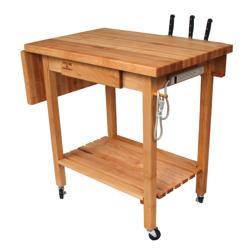
A versatile kitchen cart with a hard rock maple cutting surface and wooden frame for durability.
Pros: beautiful, solid, doubles as serving table
-
(1)
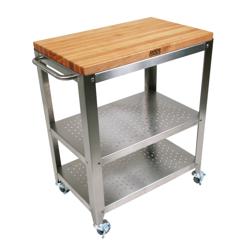
A mobile kitchen cart with a thick maple surface, stainless-steel shelf, and towel bar for added convenience.
Pros: durable, beautiful, multi-purpose
-
(3)
A mobile kitchen cart with a removable maple top, stainless steel shelves, and locking casters.
Pros: chic, functional, useful shelves
-
(3)
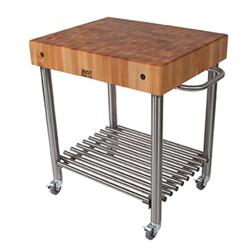
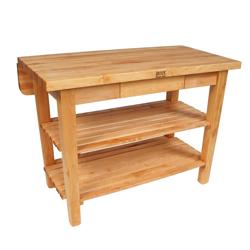
A stunning butcher-block table with a thick maple tabletop and slatted shelf, mounted on locking casters.
Pros: appearance, size, ease of assembly
Kitchen Cart
A kitchen cart is a piece of furniture that has been around for centuries. Its purpose is to provide an extra workspace in the kitchen while also providing storage and mobility. They are often used to store kitchen utensils, cookbooks, and other items. Here are some great options.
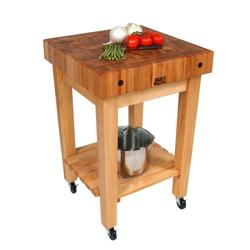
Kitchen Cart
FAQ List
A kitchen cart is a versatile and functional piece of furniture that can add both style and storage to any kitchen. It typically features shelves, drawers, and/or cabinets for storage, as well as a countertop for meal prep or serving.
A kitchen cart can provide additional counter space for meal prep, storage for cookware and utensils, and even a spot for small appliances like a microwave or toaster oven. It can also add style and personality to your kitchen, and can be easily moved around as needed.
When choosing a kitchen cart, consider your specific needs and how you plan to use it. Do you need additional counter space? Are you looking for a place to store your pots and pans? Do you need a cart with wheels so you can easily move it around your kitchen? These are all important factors to consider when choosing the right kitchen cart for your home.
To clean your kitchen cart, wipe it down with a damp cloth and mild soap. Avoid using abrasive cleaners or scrubbers, as they can scratch the surface. To maintain your kitchen cart, periodically oil any wooden surfaces to prevent drying and cracking. And be sure to tighten any loose screws or bolts as needed.
Yes! A kitchen cart can be used for a variety of purposes beyond cooking. It can be used as a bar cart for entertaining, a craft cart for storing supplies, or even as a portable workspace for a laptop or tablet. Its versatility makes it a great addition to any room in the house.
-
"We love it and recommend it highly"
-
"Great addition to the kitchen"
-
"Love that it can be used to prepare food or roll food out for parties or dining"
-
"what's not to love"
-
"I bought this and it's the best purchase I've made in a long time and I absolutely love it"