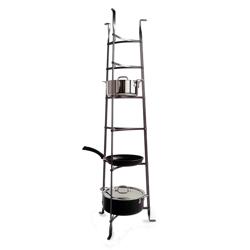
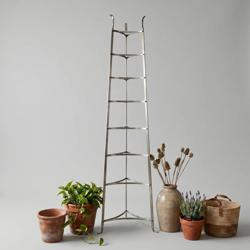
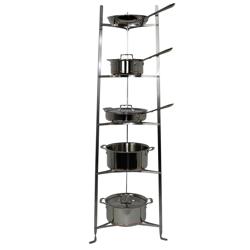
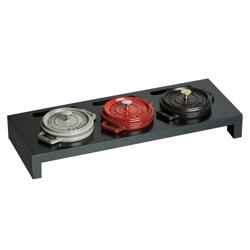
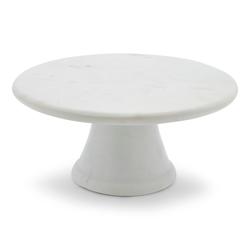
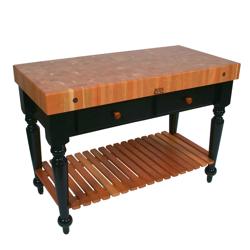
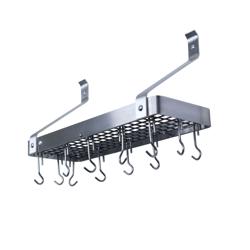
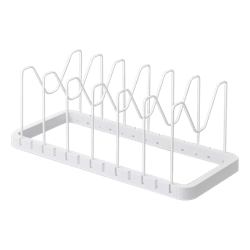
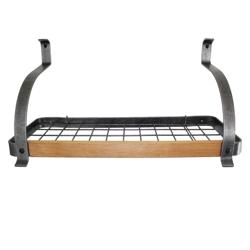
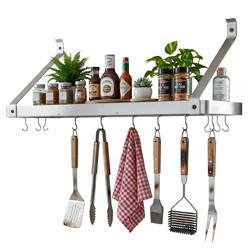
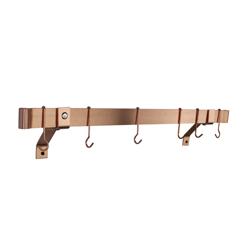
Kitchen stands provide extra storage, usable workspace or support for everyday cooking essentials without the permanence of built-in cabinetry. The category includes freestanding stands, kitchen carts and baker’s racks, along with smaller countertop stands that keep frequently used tools within reach. Each serves a slightly different purpose: a cart can bring supplies closer to the prep area, an open rack can organize cookware vertically and a countertop stand can give utensils a dedicated place beside the cutting board. The benefit is a kitchen that works more comfortably, whether dinner means chopping vegetables for a quick stir-fry or spreading out ingredients for a baking project. In a compact apartment, a narrow stand can make an otherwise awkward stretch of wall useful. In a larger kitchen, additional shelving can create a separate home for baking supplies, serving pieces or everyday dishes. Open shelves make their contents easy to see, while drawers and enclosed compartments, where included, help contain smaller essentials. A stand’s footprint matters just as much as its storage capacity. There should be enough room around it for cabinet doors to open, chairs to pull out and people to pass without turning sideways. Height also affects how naturally a stand fits into a routine. A surface intended for food preparation should feel comfortable to work at, while a taller rack is better suited to storage than prolonged chopping or mixing. Shelf spacing deserves attention, too: a stack of dinner plates needs different clearance than a tall stockpot or countertop appliance. For stands positioned beneath wall cabinets, the space above the top surface matters as well. These practical details help distinguish useful storage from a piece that simply occupies floor space. The most successful kitchen stands give familiar tasks a little more room while keeping the path between the sink, refrigerator and cooking area clear.
Materials influence how kitchen stands look, how they handle daily use and how much care they need. Wood brings warmth to a kitchen and can sit comfortably alongside painted cabinets, stone counters or other wood furniture. Its finish determines much of its maintenance, so a sealed storage shelf should not be treated like an unfinished butcher-block surface. Bamboo offers a similar natural appearance, though its construction and care requirements still deserve attention. Stainless steel has a straightforward, work-focused look and is generally easy to wipe clean, making it a practical material around busy prep areas. It is not entirely maintenance-free: standing water, harsh cleaners and abrasive pads can affect its appearance. Painted or powder-coated metal offers another approach, with a finish that should be protected from chips and prolonged moisture. Mixed-material stands can balance these qualities, pairing a wood top with a metal frame or solid shelves with open wire storage. Beyond appearance, durability depends on sturdy joints, stable legs and shelves suited to the weight they will hold. A lightweight rack for linens and serving accessories has a different job from a stand supporting heavy cookware. Listed weight limits should guide both the total load and what goes on each shelf, with heavier pieces generally positioned lower for stability. On mobile kitchen carts, casters need to suit the flooring and the expected load; locking wheels help keep the cart stationary when parked. A movable stand is useful for bringing bowls and ingredients closer, but it should never feel unsteady during use. Surface care is equally important. Not every wood top is intended for direct cutting, and not every work surface can safely hold a hot pan. Cutting boards and trivets help protect finishes when used as directed. Promptly wiping spills, drying damp areas and following the manufacturer’s care instructions help preserve both the structure and the appearance of a stand. Removable trays or accessible shelves can also make routine cleaning easier, especially where flour, crumbs and cooking splashes tend to collect.
A well-placed kitchen stand can give a collection of supplies a clear purpose. Beside a prep counter, it might hold mixing bowls on a lower shelf, ingredients together in a shallow basket and a clear top ready for assembling lunch. Near a dining area, a stand can keep serving bowls, folded napkins and water glasses close without crowding the table. For someone who enjoys baking, a rack can bring pans and mixing tools together so that getting started does not require opening every cabinet. A coffee station benefits from the same approach, with cups and accessories grouped near the equipment rather than scattered across the counter. The goal is not to fill every shelf; a little open space makes it easier to lift out a bowl or return a pan without rearranging everything around it. Countertop organization can complement larger storage pieces, and
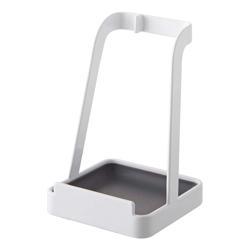
Utensil Storage Stands give frequently reached-for tools a dedicated home. Keeping wooden spoons, spatulas and tongs upright can free a drawer for smaller tools while making the next step in a recipe easier to reach. Placement still matters: tools should be convenient without sitting where handles interfere with cooking or where splashes regularly collect. Similar attention to scale helps a countertop stand feel useful rather than crowded. A broad, stable base can support taller contents, while an easy-to-clean interior makes everyday upkeep simpler. Kitchen stands can be especially helpful for apartment cooks, enthusiastic bakers, frequent hosts and anyone sharing a kitchen where counter space is in steady demand. They can also make thoughtful housewarming or wedding gifts when the recipient’s space, cooking habits and preferred materials are known. Larger pieces require a close match to the room, while smaller stands can support an established setup without changing its layout. Whether the need is a landing place for clean dishes, an organized prep station or storage that moves with the task, the right stand earns its place through everyday usefulness. It keeps essential tools accessible, gives larger pieces a sensible home and leaves more room for cooking.