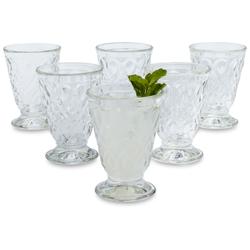
Kitchen cups include measuring cups for cooking and baking, mugs for coffee and tea, and drinking cups for water, juice and other everyday beverages. The right choice depends on whether the cup needs to measure an ingredient accurately, keep a drink comfortable to hold or move easily from the kitchen counter to the table. Measuring cups have a particular place in a well-equipped kitchen because consistent quantities help recipes turn out as intended. Dry measuring cups are designed to be filled to the rim and leveled, making them useful for flour, sugar, oats and other dry ingredients. Liquid measuring cups leave room above the measurement line, so milk, broth or oil can be measured without filling the vessel to the very top. A clear body, readable markings and a defined pouring spout make that task easier, especially when adding liquid gradually to a batter or sauce. In U.S. recipes, 1 cup equals 8 fluid ounces, a measure of volume rather than weight; a cup of flour and a cup of honey will not weigh the same amount. Common fractional sizes help with smaller quantities, while larger measuring vessels can also hold a whisked dressing or beaten eggs before they go into a mixing bowl. Stainless steel offers a sturdy option for dry measuring, while clear glass lets the cook see a liquid’s level from the side. Plastic can be lightweight and easy to handle, though heat limits and care requirements vary. Comfortable handles, stable bases and markings that remain legible with regular use matter more than decorative details when a recipe is underway. A flat rim makes leveling dry ingredients straightforward, and a balanced handle helps when lifting a full cup. For frequent bakers, meal-prep cooks and anyone learning a favorite family recipe, these small details make measuring less awkward and help keep attention on the food. Cups that nest together also keep the most-used sizes close at hand without taking over a utensil drawer.
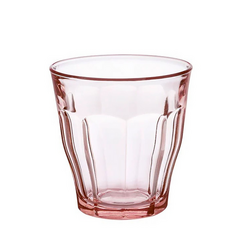
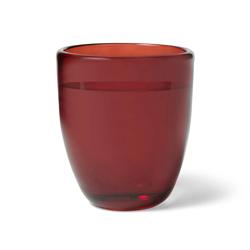
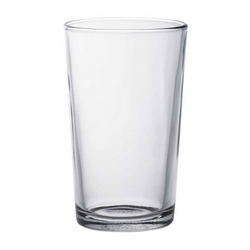
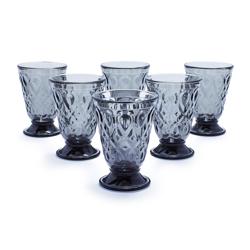
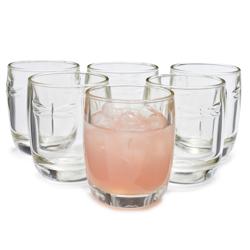
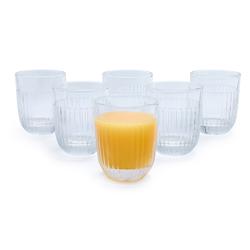
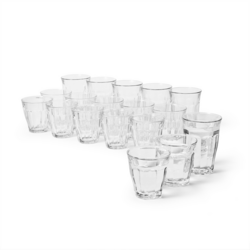
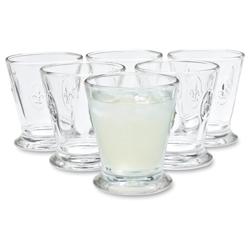
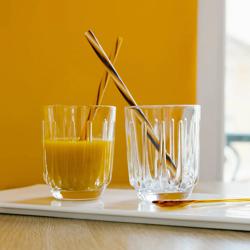
For drinking cups, the material and shape influence how each sip feels as much as how the table looks. Ceramic mugs bring familiar comfort to coffee, tea and cocoa, with variations in wall thickness, glaze and handle shape that change the experience in the hand. Stoneware often has a substantial feel, while porcelain can offer a lighter, finer profile, depending on its construction. Glass makes the contents visible, whether that is a layered coffee drink, herbal tea or a glass of juice beside breakfast. Stainless steel is useful where resistance to breakage matters, and insulated construction can help maintain a beverage’s temperature when that feature is part of the design. Plastic drinking cups can be practical for casual meals and households that prefer lightweight drinkware, but they should be intended for the beverages and temperatures involved. Capacity deserves a little thought, too. A smaller cup suits espresso or a modest serving of tea, while a more generous mug leaves space for milk or foam. The stated capacity may describe a cup filled to the brim, so comfortable serving volume can be lower. A handle with enough clearance for fingers is easier to hold than one that looks appealing but feels cramped, especially when the cup is full. Handleless shapes can tuck neatly into cabinets, while a broad, stable base helps a cup sit securely beside a breakfast plate or laptop. Rim thickness also makes a noticeable difference: a fine rim feels different against the lips than a thick, rounded edge. For coffee made directly into a mug, overall height needs to fit beneath the machine’s spout. A cup intended for a saucer should sit securely in its center rather than wobble or slide. These everyday points of fit help kitchen cups feel at home in the routines they serve, from a quick breakfast to a long conversation at the table.
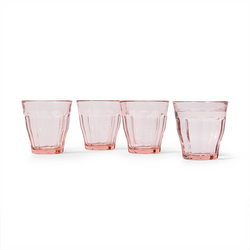
Durability depends on how kitchen cups are made, how they are used and how they are cared for between uses. Dishwasher-safe construction can simplify daily cleanup, but the manufacturer’s instructions should determine whether a cup belongs in the dishwasher or needs hand-washing. Decorative finishes, printed measurements and specialty surfaces may require gentler treatment than plain, undecorated pieces. Microwave suitability is a separate consideration from dishwasher safety; metal cups and metallic decoration should not go into a microwave, and other materials need to be labeled for that use. Glass and ceramic should also be protected from sudden temperature changes unless their instructions specifically allow them. A drinking glass is not necessarily suitable for boiling water, and a glass measuring cup is not automatically safe for stovetop use. Soft sponges and nonabrasive cleaners help protect finishes, while prompt rinsing keeps dried batter or coffee residue from becoming a tougher cleaning job. Chips, cracks or damaged rims are reasons to stop using a cup, particularly where the damage touches the mouth or could worsen with heat. Storage makes a difference over time as well. Nesting measuring cups keeps a set together, while stackable drinking cups work best when they are designed to sit securely without pressure on delicate rims or handles. Cupboard height, shelf depth and the space around a dish rack are worth considering before choosing larger or taller shapes. A coordinated group can give the table a consistent look, but mixed colors and shapes can feel equally welcoming when their proportions work together. For a more individual place setting or a thoughtful everyday gift,
unique cups offer another way to reflect someone’s taste. A new baker may appreciate practical measuring tools, while a coffee enthusiast may value a mug that fits comfortably beneath a brewer and feels good in the hand. For a housewarming or a first apartment, useful cups earn their place through repeated use rather than display alone.