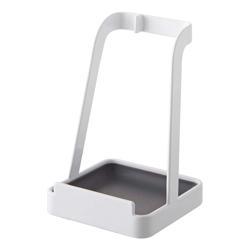
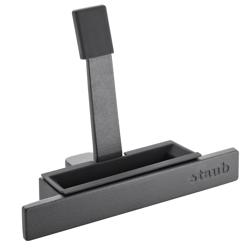
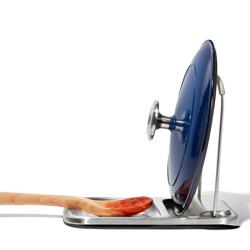
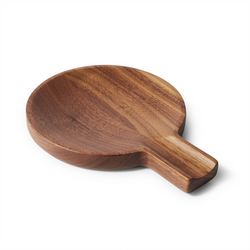
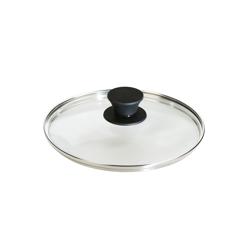
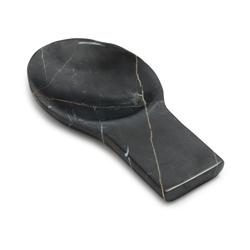
Kitchen lid rests hold pot and pan lids between uses, giving hot or wet lids a designated place to sit while helping contain drips and keep countertops tidy. When a covered saucepan needs a stir or a pot of pasta needs checking, the lid often comes off carrying condensation along its underside. Setting it directly on the counter can leave a puddle, while laying it across another pan takes up cooking space. A lid rest provides a more convenient landing spot near the stove, with designs that support the lid upright or at an angle. Models with a drip tray collect moisture beneath the lid, keeping it in one place rather than letting it run across the work surface. Upright designs can also take up less counter space than a lid laid flat, a useful detail when a cutting board, mixing bowl and ingredients are already sharing the workspace. Some kitchen lid holders combine a lid support with a spoon rest, bringing two frequently used cooking tools into the same small area. That arrangement is especially practical when stirring tomato sauce, spooning broth over rice or checking vegetables as they steam: the lid and utensil each have somewhere to go between uses. The shape of the tray matters as much as the support itself. A raised edge helps contain drips, while enough room beneath the lid gives condensation a place to collect without pooling around its lower rim. For smaller kitchens, a compact footprint can make a rest easier to leave within reach; for busy cooking sessions, a broader base may provide useful stability. Placement matters, too. A lid rest belongs on a stable surface away from active burners and open flames, with room to lift the lid without bumping nearby cookware. A rest intended for countertop use should not be treated as a burner accessory or a trivet unless its care and use instructions specifically allow it.
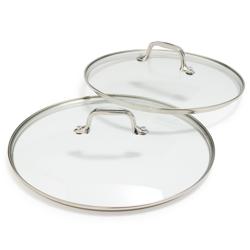
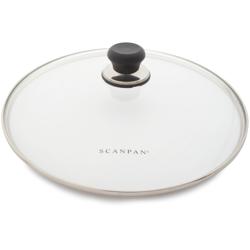
Fit is an important consideration because cookware lids vary in diameter, weight, thickness and handle shape. A lightweight saucepan lid places different demands on a rest than a broad glass lid or a heavy cast iron cover. The support needs to accommodate the lid’s rim and shape, while the base needs to remain steady under its weight. A domed lid may sit differently from a flatter one, and a tall knob or wide loop handle can affect how easily the lid settles into the holder. When comparing a rest with the
Cookware Lids used in a kitchen, consider the full shape of the lid rather than diameter alone. Any stated size or weight limits are particularly important for larger, heavier covers. Materials also influence everyday use, appearance and care. Stainless steel offers a durable surface that is easy to wipe clean, though joints and narrow supports may need extra attention where food collects. Silicone components can provide cushioning or grip, but heat resistance depends on the particular construction and its stated limits. Ceramic rests bring a smooth surface and a substantial feel to the countertop, with the trade-off that they can chip or break if dropped or knocked against hard cookware. Coated metal designs deserve attention at contact points, where repeated use may eventually wear the finish. Wood and bamboo require care around standing water and should only receive hot lids when specifically designed and rated for that purpose. Nonslip feet can help a holder stay put, but they do not replace a balanced design or a suitable fit. A rest should support the lid securely without forcing its edge into a narrow opening. Easy access to the handle is another useful detail, especially when the lid is hot and an oven mitt makes gripping it less precise. Heat-resistant construction is valuable, but it does not make the lid’s handle safe to touch or eliminate the need to watch for escaping steam.
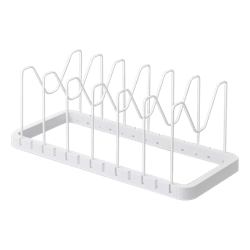
Everyday care is simplest when a kitchen lid rest has an accessible drip area and few tight corners where sauce or starch can dry. Condensation may look like plain water, but moisture from cooking can carry grease and food residue, so the tray benefits from regular cleaning rather than an occasional wipe. A removable tray can make that task easier when the design includes one, while a smooth, one-piece surface may be convenient to wash by hand. Dishwasher safety should be confirmed in the care instructions rather than assumed from appearance or material. For rests that need hand-washing, mild dish soap and a soft sponge are generally a gentler starting point than abrasive scrubbers, which can scratch finishes. Drying the rest thoroughly helps keep moisture from lingering beneath feet, inside joints or against wood components. Durability comes down to more than the main material: secure connections, a well-balanced base and a finish that stands up to repeated contact all contribute to reliable daily use. Intended use is worth distinguishing, too. A cooking lid rest is a temporary landing spot for a lid in use, while a cabinet lid organizer separates and stores lids between meals. A storage rack should not be assumed suitable for a hot, dripping lid just because it holds that lid upright. For someone who cooks covered dishes often, a dedicated rest can become a useful part of the routine, whether dinner involves one saucepan or several pots sharing the stove. It can also suit a first apartment, a newly arranged kitchen or a practical housewarming gift, particularly when its size works with the recipient’s cookware and counter space. Appearance matters for a tool that may stay out between meals, but a comfortable fit, steady support and straightforward cleanup make the biggest difference once cooking begins. The most useful lid rest gives a familiar kitchen task a dependable place to happen without crowding the workspace.