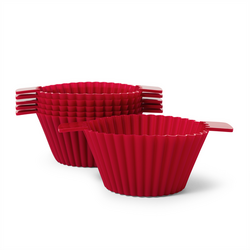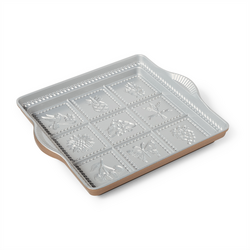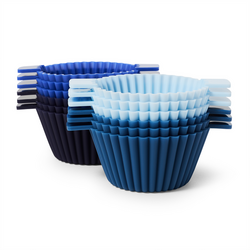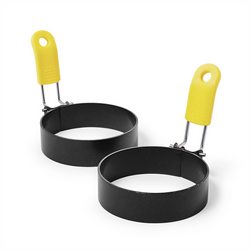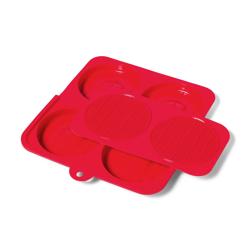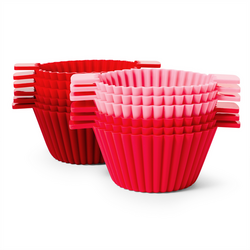
Kitchen molds are versatile tools for shaping food before it is baked, chilled, frozen or served. They can turn a simple batter into individual cakes, give chocolates a polished finish, create neatly portioned desserts and bring a little structure to savory dishes. Flexible silicone molds are especially useful for muffins, mini cakes, financiers, petits fours, custards and frozen treats because finished foods often release with a gentle flex of the mold. Rigid molds made from materials such as stainless steel or polycarbonate provide more support when you are working with chocolate, pastry or composed desserts that need crisp edges and precise detail. Food rings and other plating molds can help shape rice, grains, tartare, mashed vegetables and layered salads into clean, restaurant-style portions. When choosing among kitchen molds, begin with the food you make most often and the finish you want to achieve. A deep, detailed cavity is well suited to molded chocolate, mousse or a frozen dessert, while shallow designs work nicely for cookies, thin cakes and decorative garnishes. Smaller cavities are convenient for party desserts and individual servings, whereas larger molds make an impressive centerpiece for a family gathering. Consider the mold’s material, flexibility, depth and maximum temperature as carefully as its shape. Silicone is lightweight and naturally nonstick, but its flexibility means it should be set on a sturdy baking sheet before filling. This support makes it easier to move a full mold from the counter to the oven or freezer without spilling batter or sloshing a liquid mixture. Rigid molds are easier to handle when precision matters, though they may require a light coating of fat or another release method depending on the recipe and material. Always follow the care and temperature instructions supplied with the mold, especially when moving between hot and cold applications.
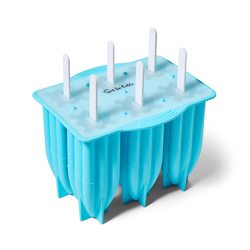
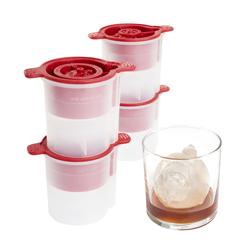
Kitchen molds are useful well beyond celebratory baking. During the cooler months, they can help create comforting individual cakes, baked custards and savory portions that make a weeknight meal feel thoughtfully prepared. For a dinner with friends, a ring mold can give herbed rice, roasted vegetables or a chilled salad a tidy shape, leaving room on the plate for sauce and fresh herbs. Silicone freezer molds are convenient for ice pops, frozen yogurt bites, granita portions and shaped ice cubes, while candy molds can bring homemade caramels, gummies or chocolate confections within reach of a home cook. When working with chocolate, choose a mold designed for the type of chocolate project you have in mind and make sure the cavities are completely clean and dry. Even a small drop of water can affect melted chocolate’s texture, and fingerprints or residue can dull a glossy finish. For baked goods, fill cavities evenly and avoid overfilling, since batters rise as they bake. A piping bag, cookie scoop or small ladle can make this task neater and help keep portions consistent. For delicate desserts, allow the food to cool or set fully before unmolding. Warm cake may tear, while a chilled mousse or chocolate shape may need a few minutes at room temperature before it releases cleanly. Never use a knife or other sharp tool inside a silicone mold, since a small cut can spread with repeated use. Food-safe molds should be reserved for culinary projects rather than soap, resin or other crafts, as silicone can retain oils and aromas. If you are shopping for a practical gift for a baker, dessert enthusiast or host who enjoys making food look special, kitchen molds are a thoughtful choice. They take up little storage space, invite experimentation and can refresh familiar recipes without requiring advanced equipment. A carefully chosen shape can become part of someone’s seasonal baking tradition, from delicate treats shared with guests to a simple frozen dessert served after dinner. For more options designed with culinary use in mind, browse our selection of
Food Safe Molds.
Good results with kitchen molds depend as much on preparation and release as on the mold itself. Before the first use, wash the mold according to the manufacturer’s instructions and inspect it for dust, packaging residue or manufacturing oils. Some silicone molds release baked goods easily without greasing, while recipes with low-fat batters, intricate details or long baking times may benefit from a light coating of butter or neutral oil. Avoid applying too much, which can collect in fine details and soften the finished design. For chocolate, use a dry, soft cloth to polish rigid cavities when appropriate, and handle finished pieces by their edges to preserve a clean surface. For frozen mixtures, leave a little room for expansion and place the mold on a level surface in the freezer. Once set, unmold one portion first to check that the texture is firm enough; a brief rest at room temperature is often all that is needed for an easy release. Cleaning is simplest when food residue is not allowed to dry in the cavities. Use warm water, mild dish soap and a soft sponge, paying special attention to narrow corners and raised patterns. Unless the care instructions specifically approve it, avoid abrasive cleaners, scouring pads and sudden temperature changes. Dry molds completely before storing them, since trapped moisture can leave odors or affect chocolate and sugar work. Flexible molds can be stored flat or loosely rolled, but do not fold them sharply if doing so could create a permanent crease. Rigid molds should be protected from scratches and stacked with care. With the right shape and a little patience, kitchen molds make everyday cooking more precise and creative—whether you are preparing small pastries for a gathering, adding polished detail to a plated meal or creating a tray of homemade treats to share during the cooler months.