-
(105)
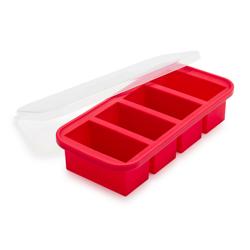
A flexible silicone tray with four 1-cup compartments for freezing soups, sauces, and more.
-
(9)
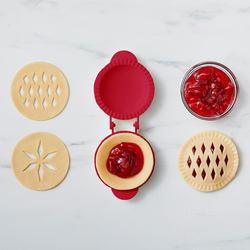
A set of 2 red hand pie molds with self-crimping design for perfectly sealed individual pies.
-
(3)
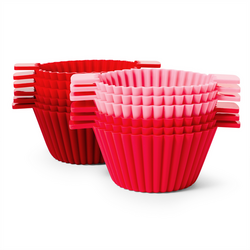
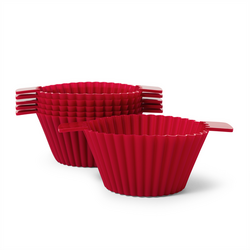
A set of 12 reusable red silicone muffin liners with built-in tabs for easy removal and transport.
-
(3)
A set of 6 reusable red silicone muffin liners with built-in tabs for easy removal and transport.
-
(2)
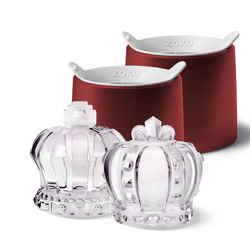
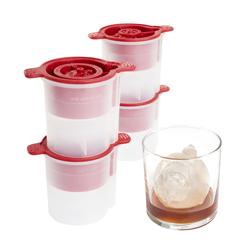
A set of two red silicone molds that create intricately detailed crown-shaped ice cubes.
-
(2)
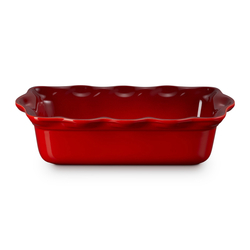
A durable stoneware loaf pan in cerise red, offering even heating and scratch-resistant enamel.
-
(2)
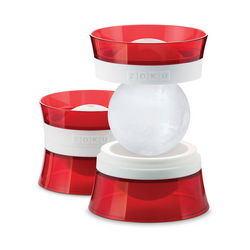
A set of two red silicone molds that create slow-melting ice balls for your cocktails.
-
A set of red silicone molds that create detailed, ornament-shaped ice spheres for festive holiday drinks.
-
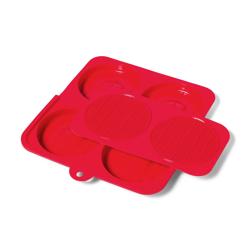
A flexible red silicone mold that shapes and stores four burger patties for easy, consistent prep.
-
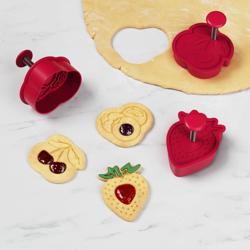
A set of red plastic cutters that create berry-shaped thumbprint cookies with neat wells for filling.
Red Molds
Red molds add a vibrant touch to your kitchen creations, making it easy to craft everything from elegant desserts to playful treats. Whether you’re baking, freezing, or molding confections, these red molds offer both style and versatility for any occasion. Discover options designed to help you bring color and creativity to your favorite recipes.
Sort by:
Red Molds

-
"I love the ease with which they clean and the colors are bright and cheerful"
-
"The best for every meal or snack"
-
"Love this, cooks even without burning.Beautiful craftsmanship and graphite color"
-
"I love everything about this pot! Be careful if you have a glass stove"
-
"I love the smaller size as this is an occasional use item for me and perfect for dips, serving candies"