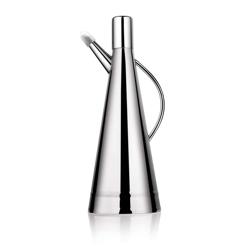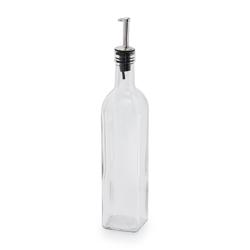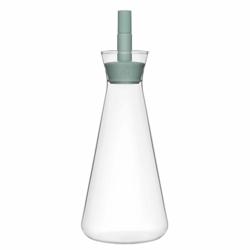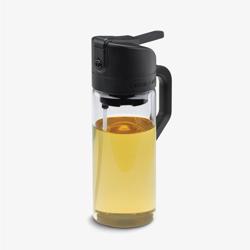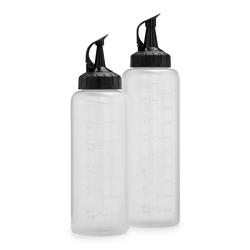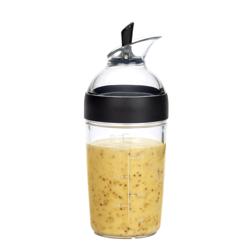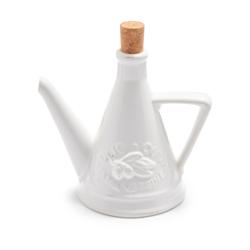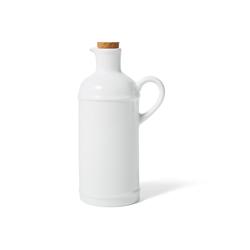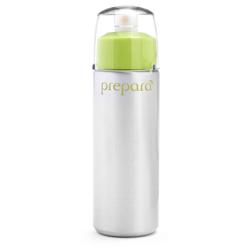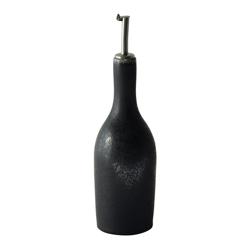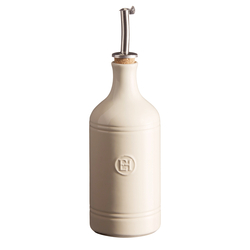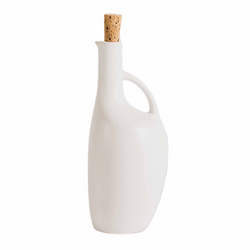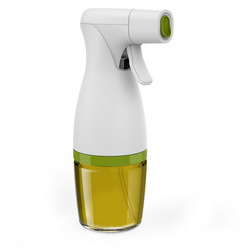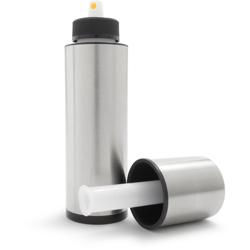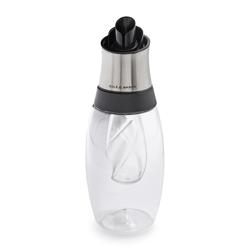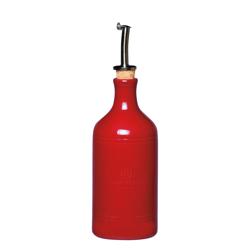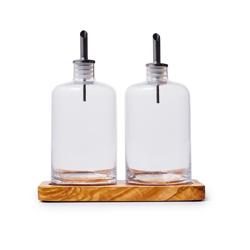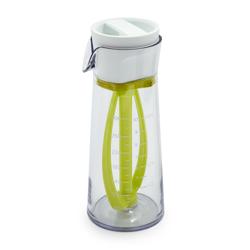
A kitchen oil and sauce dispenser is a refillable container designed to pour or squeeze cooking oils, dressings and sauces with greater control. The most useful features depend on what goes inside: narrow pouring spouts suit thin liquids, while squeeze openings can work better for thicker, smooth sauces. At the stove, a controlled stream helps coat a skillet without tipping a large bottle over the pan. At the table, a gentle drizzle adds olive oil to warm bread, soy sauce to a rice bowl or dressing to a plate of greens. These small details make dispensers useful for both everyday cooking and finishing a dish just before serving. Pouring styles vary, so consider whether the usual task calls for a few drops, a fine ribbon or a steady stream. A dispenser used mostly for finishing oil benefits from precise flow, while one used to measure oil for cooking should pour comfortably into a spoon or measuring cup. Smooth sauces need an opening that accommodates their thickness; dressings with chopped herbs, seeds or pieces of garlic may clog a narrow spout. Capacity also affects how a dispenser feels in use. A bottle holding 12 to 17 ounces can provide a practical balance between frequent refills and a container that becomes cumbersome when full, though a smaller size may suit an oil used only occasionally. Check the overall height against the space beneath cabinets and the width against a countertop tray or cupboard shelf. A comfortable grip matters when hands are damp or the bottle is full, and a stable base helps keep it upright beside a cutting board. For cooks who keep several oils and sauces within reach, containers that are easy to distinguish can simplify prep. Clear contents, readable labels or different shapes help separate olive oil from vinegar without interrupting the task. A wide filling opening is another useful detail, especially when transferring liquids from larger containers.
Material influences visibility, durability and care as much as appearance. Clear glass makes it easy to see the contents and check the level before starting dinner. Its nonporous surface is well suited to oils and acidic liquids, although the bottle still needs thorough cleaning between fillings. Tinted glass reduces light exposure, while opaque ceramic and stainless steel keep light from reaching the contents through the container walls. That protection is helpful for oil, but storage still matters: a spot away from direct sunlight and stove heat is preferable to a sunny windowsill or the area immediately beside a burner. Stainless steel offers a durable option for frequent handling, though its surface can show fingerprints and it may dent if dropped. Ceramic brings texture and color to a counter or table, with the trade-off that it can chip or break. Food-contact plastic can be lightweight and flexible, making it useful for squeeze-style dispensing; check the manufacturer's recommendations for compatible liquids, cleaning and any heat restrictions. The spout and closure deserve just as much attention as the body. A narrow tip can help direct a drizzle, an opening with a wider channel can accommodate more flow and a well-designed vent can reduce uneven pouring. Drip-resistant features may help keep residue off the bottle, but no design removes the need to wipe the opening when necessary. Look for parts that come apart easily enough to clean, since oil can collect beneath a collar and sauce can dry inside a tip. Follow the care instructions for the complete dispenser rather than assuming every component is dishwasher safe. Removable seals, lids and spouts may have different requirements from the container itself. After washing, let all parts dry thoroughly before adding oil, and check periodically for cracks, damaged seals or buildup that cleaning does not remove. Accessible parts and a straightforward design make regular care less of a chore.
The best fit is often determined by where a dispenser will spend most of its time. A cooking oil bottle beside the prep area should be easy to lift, aim and set down with one hand. A sauce dispenser brought to the table should pass comfortably between diners and rest securely without leaving a ring on the surface. For salad lovers, separate oil and vinegar dispensers allow each person to adjust the balance on their plate; for someone who enjoys careful presentation, a squeeze opening can help place a smooth sauce around roasted vegetables or across a finished sandwich. A compact dispenser also makes sense in a smaller kitchen, where every container needs to earn its counter space. Appearance can follow the setting: transparent glass keeps the contents visible, ceramic offers a more decorative presence and stainless steel coordinates easily with many kitchen tools. Matching containers can create a consistent look, but clear identification is more important than making every bottle identical. Keep track of what has been transferred, particularly when oils look alike or a sauce contains allergens. A dispenser is not a substitute for appropriate food storage: sauces that require refrigeration still need it, and transferring a liquid does not change its storage instructions or usable life. Filling with an amount likely to be used regularly is often more practical than keeping a large container topped off indefinitely. For oil-focused cooking and serving, explore
Summer Kitchen Oil Dispensers. These everyday tools can also make thoughtful gifts for someone setting up a first kitchen, a confident home cook refining a prep space or a host who enjoys serving meals family-style. Consider the recipient's habits before choosing: frequent stovetop cooking calls for easy handling, homemade smooth sauces call for suitable dispensing openings and tableside use calls for a neat pour. A dispenser that fits those routines becomes a useful part of the kitchen rather than another container to work around.